-
News & Events


Jan. 29th
Andrological-Urological Research Laboratories, Department of Urology, Pediatric Urology and Andrology, Justus Liebig University Giessen
On January 29, amid heavy snowfall, the delegation of Gloryren arrived at the Biomedical Research Center in Giessen to visit Prof. Schagdarsurengin, Head of the Andrological-Urological Research Laboratories, Department of Urology, Pediatric Urology and Andrology, Justus Liebig University Giessen.
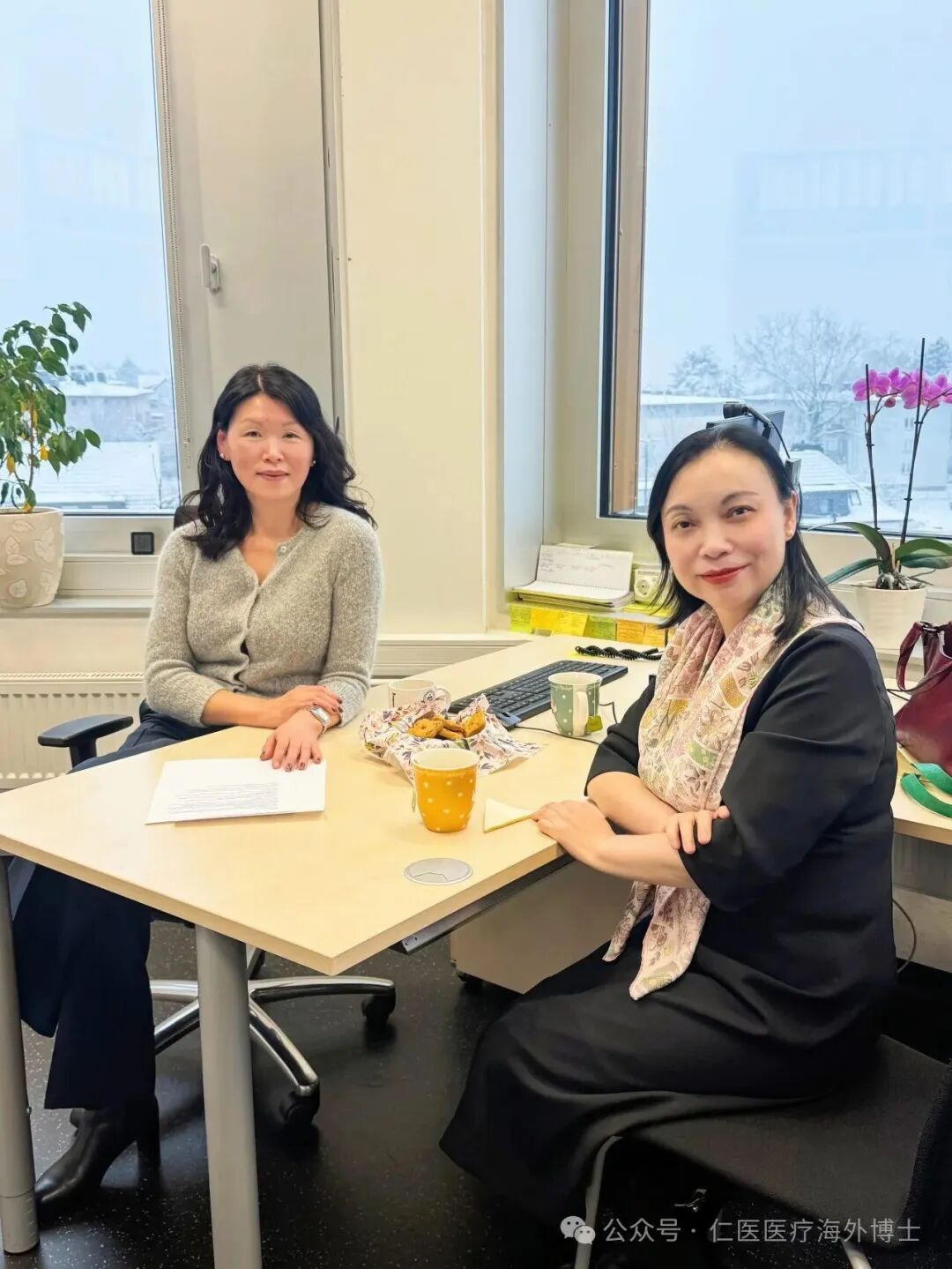
The meeting centered on two key topics: first, the progress of Doctor Zhu, a jointly trained doctoral candidate; and second, an in-depth discussion of a new and forward-looking cooperation concept.
Regarding Doctor Zhu’s development, Prof. Schagdarsurengin explained that the laboratory holds a fixed one-hour group meeting every Friday at 9:00 a.m., during which each student reports the previous week’s experimental progress and defines concrete plans for the coming week. This high-frequency and closely structured discussion mechanism ensures that projects move forward with clarity, problems are identified and corrected promptly, and deviations from research objectives are minimized.
Doctor Zhu has now completed his first year in the program. According to Prof. Schagdarsurengin, his overall progress is positive. He is gradually learning how to construct scientific logic, think independently, and advance his project with increasing autonomy. Transitioning from reliance on supervision to developing one’s own scientific identity is a necessary stage in every doctoral journey, and he is progressing steadily through this phase. Based on the current timeline, sufficient time remains for his research, and she expressed strong confidence in his successful completion of the degree. She also emphasized that the most decisive factors in doctoral training remain the student’s motivation, capability, and level of commitment.
After concluding the office meeting, Prof. Schagdarsurengin warmly invited the delegation to dinner at one of Giessen’s leading restaurants. The dinner discussion lasted nearly three hours, during which both sides engaged in deeper exchanges on Sino-German doctoral training models, differences in research culture, and future directions of cooperation.
One of the most impressive points was her strong recognition of Gloryren’s structured Sino-German doctoral model. She stated candidly that the students selected and recommended by Gloryren are consistently of high quality, with thorough pre-screening and secured research funding. This structured framework significantly reduces uncertainty and risk for supervisors. If students were to contact her independently, she would generally not accept them. Although she receives a considerable number of applications from Chinese candidates, many supported by CSC stipends, these often lack dedicated experimental research funding. In her view, without proper research funding, high-quality experimental projects cannot be conducted, and such conditions are therefore not viable. She considers the current cooperation model to be far more sustainable in terms of both quality control and resource assurance.
Building on this foundation, she proposed a highly forward-looking initiative: the establishment of a structured scientific and academic development guidance program for Chinese doctoral candidates studying in Germany.
Sharing her own academic journey, from doctoral training to postdoctoral work and ultimately to becoming a professor within the German academic system, she reflected on her experience as a foreign researcher integrating into the system. Over the past 15 years as a life scientist, she has successfully secured approximately €1.5 million in third-party research funding, completed and published all funded projects, and supervised more than 25 master’s and doctoral theses.
Because she herself once entered the German academic system as a foreigner, she deeply understands the structural and cultural challenges international doctoral candidates often face. These include insufficient understanding of research concepts, misinterpretation of supervisory expectations, communication style differences, unfamiliarity with intellectual property regulations, and anxiety or uncertainty within open-ended research environments.
She has observed that many of these challenges are common among Asian students. While students are often highly diligent, they may lack systematic understanding of what she termed “German academic logic.” For example:
How to truly grasp the conceptual framework and objectives of a research project, rather than merely executing experiments;
How to establish direction in open-ended research without predefined answers;
How to proactively ask questions and assume responsibility for scientific progress;
How to understand differences between clinical and basic research supervision styles;
How to appropriately manage authorship and intellectual property issues;
How to communicate one’s research with greater clarity and confidence.
She believes that if these issues are addressed early in the doctoral journey through continuous, structured guidance, they can be prevented or significantly mitigated. Compared to allowing pressure to accumulate and erupt in the final year, early intervention enables students to complete their training with greater confidence, efficiency, and strategic clarity.
Accordingly, she is planning to launch regular or on-demand online guidance programs specifically for Chinese doctoral candidates in biomedical and medical fields. These may take the form of thematic lecture series combined with individual consultations. The program could support prospective applicants before arrival in Germany through preliminary communication and screening, and provide staged guidance to enrolled doctoral candidates. She also expressed willingness to participate in candidate interviews, evaluating applicants’ depth of scientific thinking and readiness from a research perspective.
In addition, she noted that if Chinese hospitals seek to strengthen their research capacity, she could analyze promising research directions for the next five to ten years based on German and broader European scientific trends, and explore internationally competitive project designs in combination with China’s abundant clinical resources.
It is worth noting that Prof. Schagdarsurengin will travel to China this year to participate in the 6th Sino-Euro Global Forum on Hospital Management, Specialty Consturction and Talent Cultivation 2026. She will share insights on research talent cultivation and academic system development from the perspective of a life scientist and doctoral supervisor.
This exchange reinforced our understanding that doctoral training is far more than a degree-granting process. It represents the systematic shaping of scientific thinking, academic culture, and individual capability structures. Looking ahead, under the broader framework of Sino-German medical cooperation, we hope to introduce earlier and more structured support mechanisms into international doctoral training, enabling young researchers to progress with greater stability, confidence, and long-term vision.
Jan. 30th
Department of Dermatology, University Hospital Giessen and Marburg GmbH, Giessen site
On January 30, the delegation of Gloryren visited the Department of Dermatology at the University Hospital Giessen and Marburg, Giessen site, to meet Prof. Jakob, Director of the Department.
The department is located in an independent red-brick building on campus. Prof. Jakob introduced that since its establishment in 1906, the Department of Dermatology has remained in this very building for nearly 120 years. Stepping inside, one immediately senses the weight of history. This red-brick structure not only embodies the department’s long-standing tradition but continues to witness ongoing clinical and scientific development.
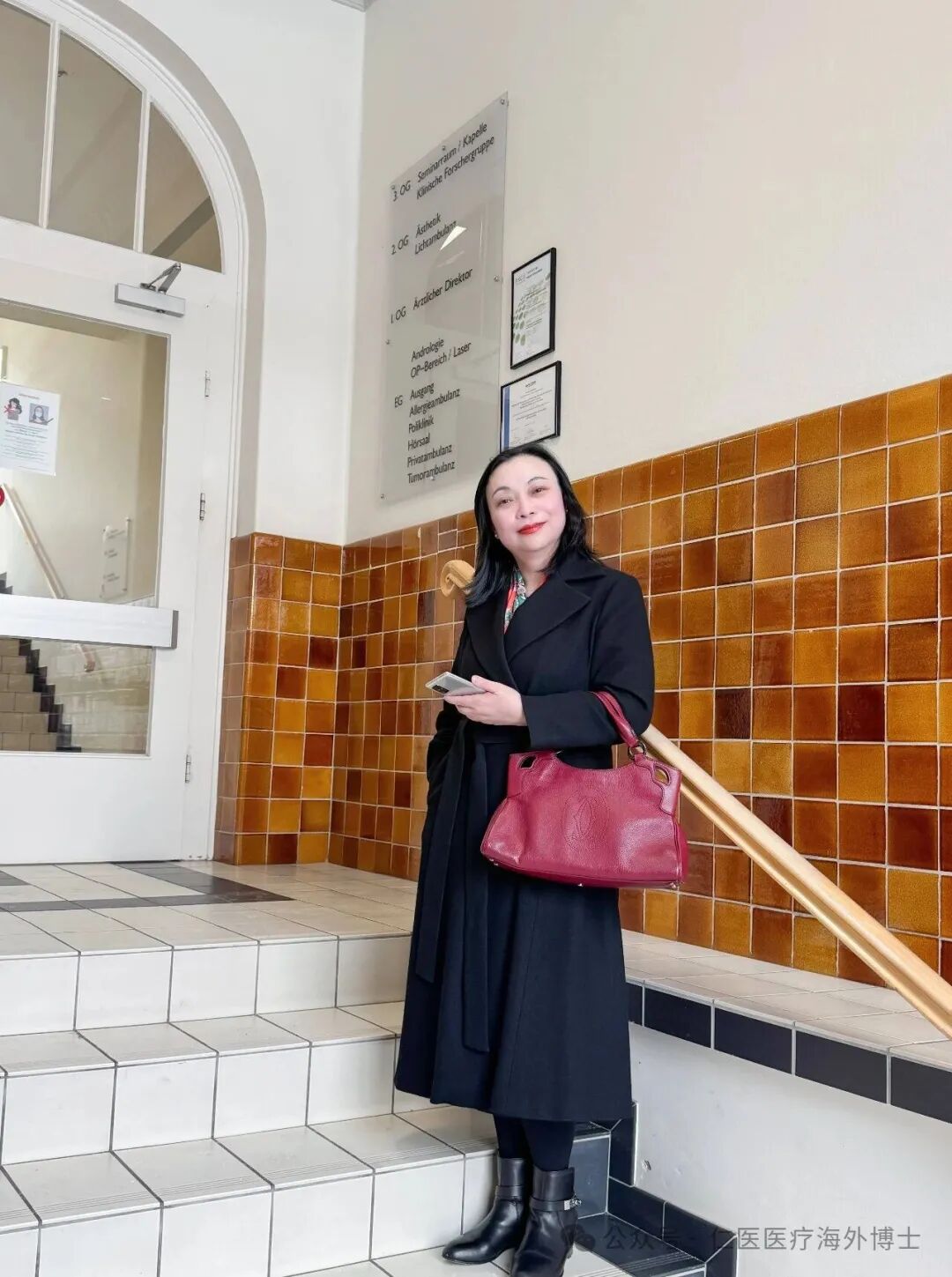

For this meeting, Prof. Jakob invited several key members of the department to participate, including Prof. Jung, Deputy Director; Dr. Hrgovic, Head of Outpatient Clinic and Director of Basic Research; and Dr. Göppner, Director of the Skin Cancer Center and Head of Clinical Trials. The discussion was held in Prof. Jakob’s office. His desk faces a portrait of Prof. Jesionek on the wall, the first Chair of Dermatology at Giessen. With a smile, Prof. Jakob remarked that he works every day under the “strict gaze” of his predecessor.
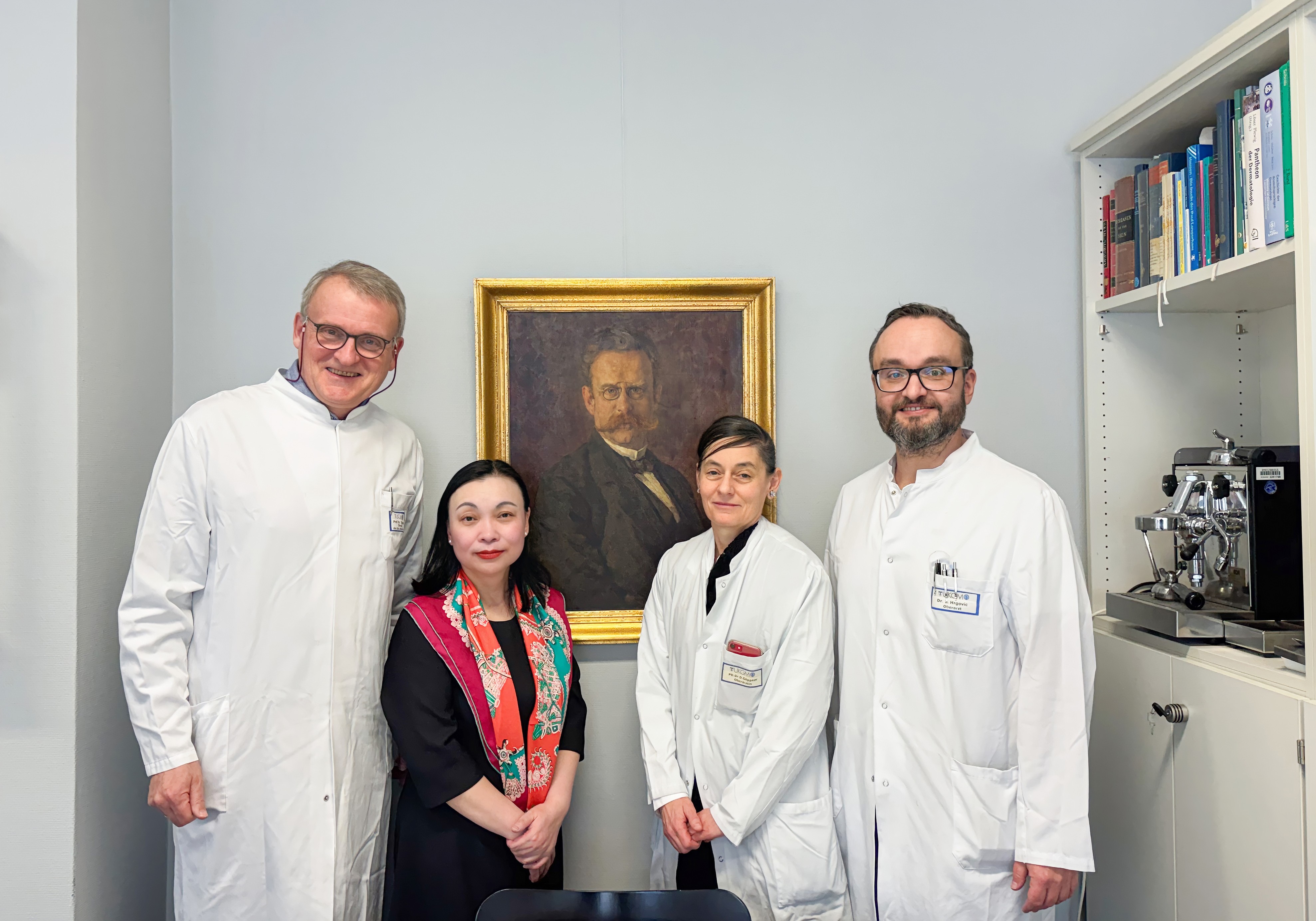
During the meeting, we systematically introduced the development of Gloryren and outlined our ongoing cooperation models, including the Sino-German doctoral program and the Sino-German clinical observership program. Prof. Jakob noted that he had previously learned from Prof. Wagenlehner, Director of Urology, Pediatric Urology and Andrology, and Prof. Heiss, Director of Trauma, Hand and Reconstructive Surgery, about their smooth and productive collaboration experiences with Gloryren. This gave him confidence in exploring future cooperation. He also expressed interest in participating, if possible, in the Sino-Euro Global Forum on Hospital Management, Specialty Construction and Talent Cultivation organized by Gloryren, in order to engage with more Chinese hospital administrators and academic leaders.
Prof. Jakob then presented a comprehensive overview of the department through a carefully prepared presentation, covering personnel structure, subspecialty divisions, bed capacity and case volume, clinical focus areas, and research organization. He particularly emphasized that the department is certified by the German Cancer Society as a Skin Cancer Center and plays a significant role in skin tumor diagnosis, treatment, and clinical research.
The exchange was candid and efficient. The century-old red-brick building stands as a symbol of academic continuity while simultaneously opening space for new forms of collaboration. We look forward to establishing a long-term and stable partnership with the Department of Dermatology in Giessen in the areas of Sino-German doctoral training and clinical exchange.