-
News & Events


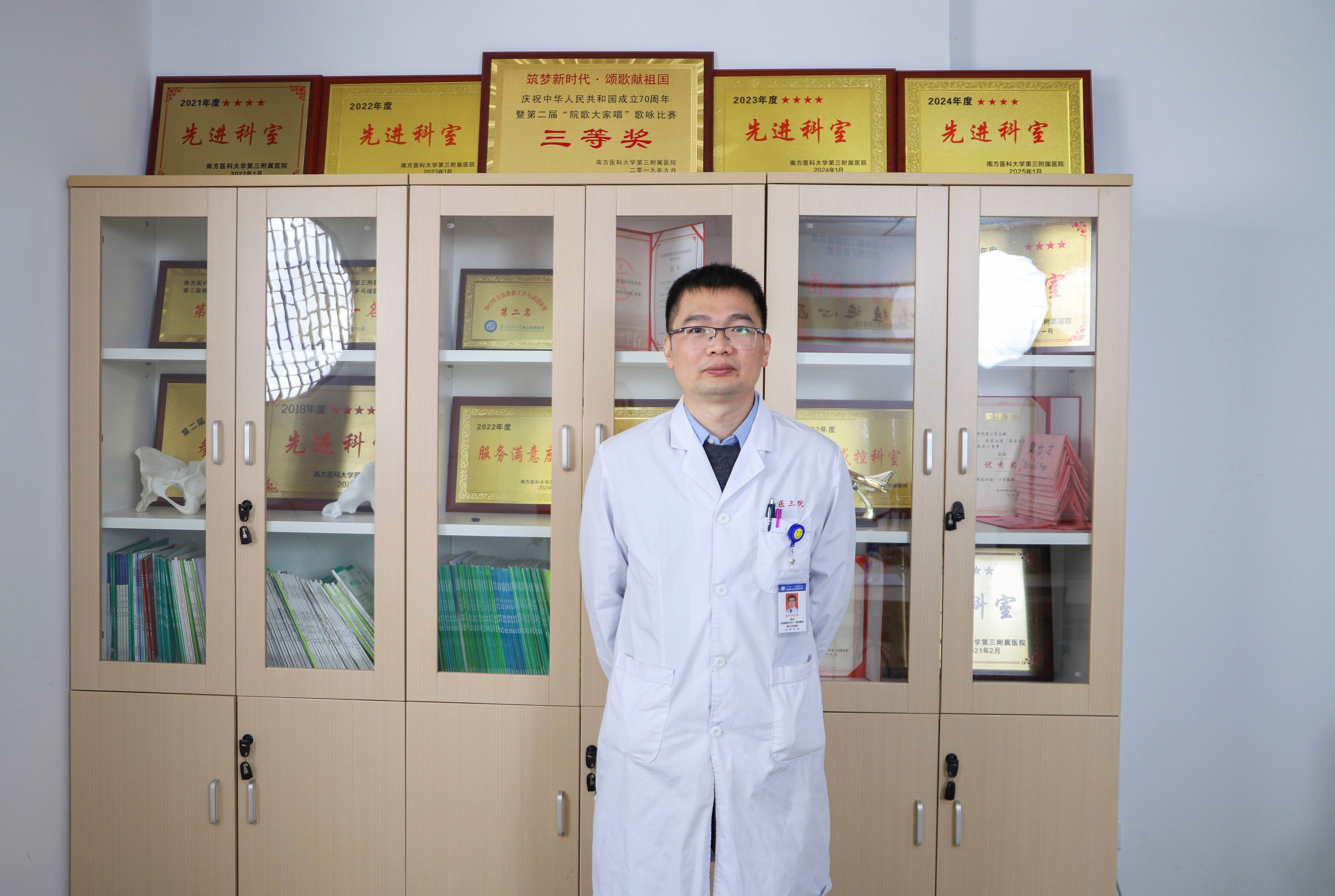
From March to September 2025, Dr. YANG Cheng from the Department of Orthopedic Trauma at the Southern Medical University Third Hospital had a six-month observership at the University Medical Center Göttingen in Germany. During his time in Göttingen, he was deeply impressed by the maturity and efficiency of the German healthcare system, the precision and standardization of surgery, as well as the clinical application of advanced technologies and innovative materials. Under the guidance of the professors and medical team of the Department of Trauma Surgery, Orthopedics and Plastic Surgery at the University Medical Center Göttingen, Dr. Yang further refined his surgical expertise in pelvic and acetabular surgery, upper-extremity arthroscopy, and reverse shoulder arthroplasty.
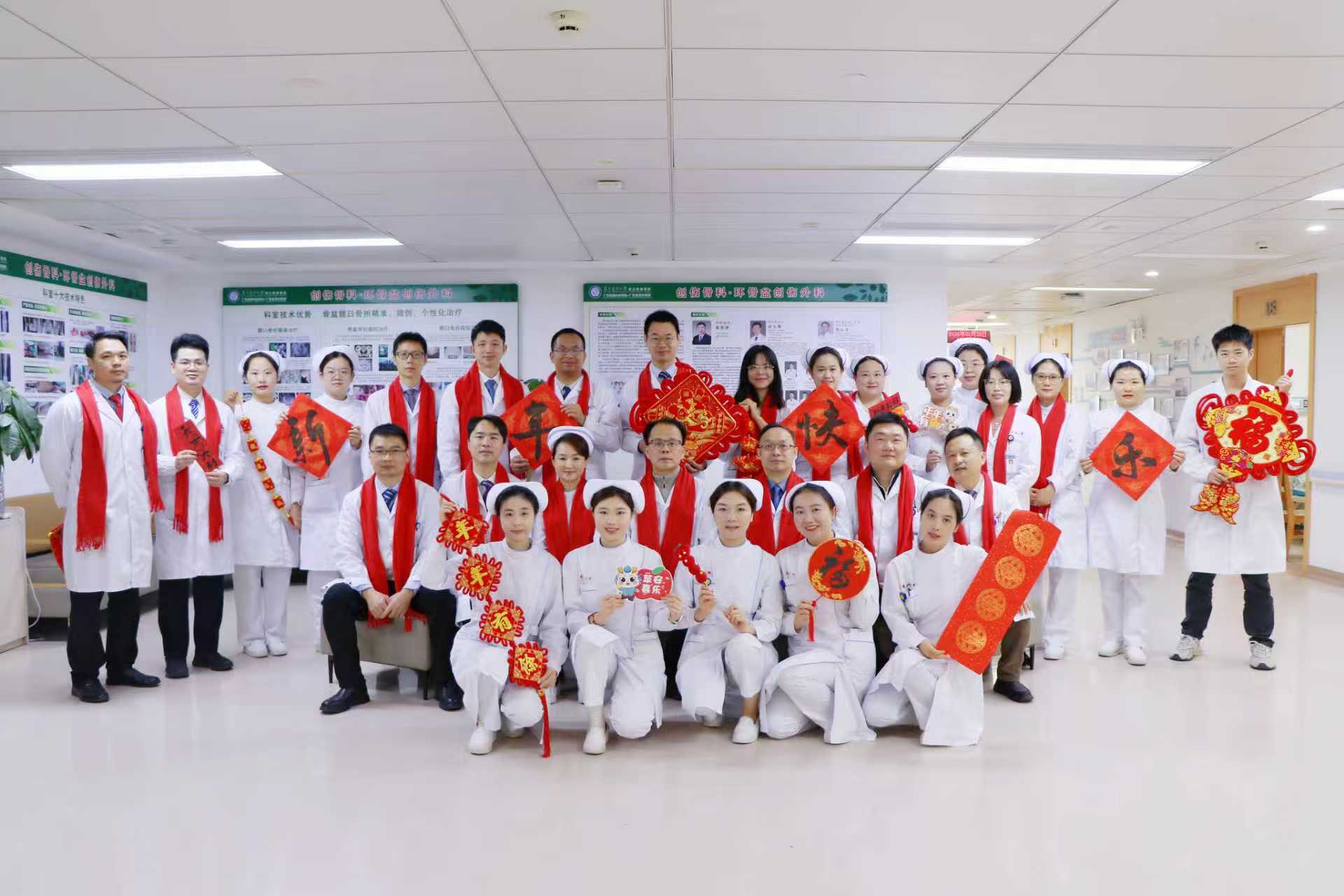
Academic exchange, however, is always a two-way process. During his observership, Dr. Yang introduced Prof. Lehmann’s team to the innovative application of the lateral rectus approach for pelvic and acetabular fractures developed by Prof. Fan Shicai’s team at the Southern Medical University Third Hospital. This unique clinical concept and surgical strategy greatly impressed the Göttingen team.
In Dr. Yang’s view, although Göttingen is a relatively small town, it possesses an exceptionally strong academic atmosphere. This observership was not only a journey of professional growth, but also an inspiring exchange of medical ideas across cultures and borders, bringing new momentum to his future clinical and research career.
I am Yang Cheng from the Department of Orthopedic Trauma at the Southern Medical University Third Hospital. I hold a doctoral degree of Medicine, and I am currently an associate chief physician, master’s supervisor, and a leader of a clinical team in my department. My main areas of specialization include orthopedic trauma, limb deformity correction, and microsurgical reconstruction.
First of all, I would like to thank the leadership of our hospital. In 2024, our hospital launched a long-term talent cultivation strategy, under which two to three outstanding doctors are selected to be sent to Europe and the United States each year as fellows to learn advanced medical techniques. I am also very grateful to Prof. FAN Shicai, the Director of our department for his strong support for our overseas study and exchanges. As one of the core members of the department, my absence inevitably had an impact on clinical work. However, from a long-term perspective, he fully supported this opportunity for professional development. Therefore, I had the opportunity to be one of the first fellows from our hospital to visit the University Medical Center Göttingen in Germany. This was indeed a rare and valuable experience that allow me to broaden my horizons and gain a deeper understanding of international healthcare systems.
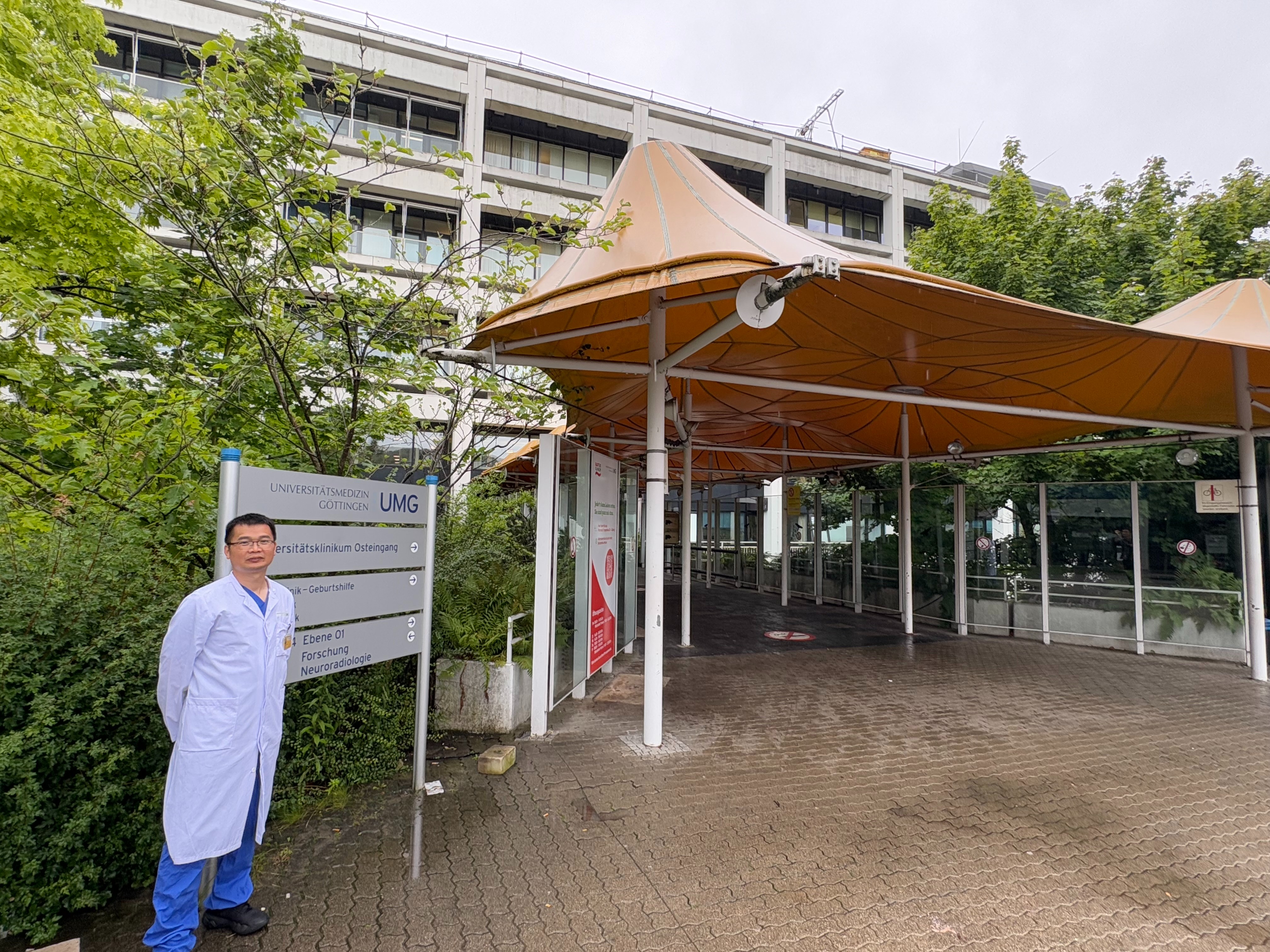
First, I would like to briefly introduce the University of Göttingen in Germany, a prestigious university in Europe that has been associated with 45 Nobel laureates. The University Medical Center Göttingen, as its affiliated hospital, has around 1,600 beds and is considered a large hospital given Germany’s population of 80 million. The Department of Trauma Surgery, Orthopedics and Plastic Surgery is also well-known, with 5 wards, 10 subspecialties, and approximately 150 beds. Its structure and subspecialty divisions are similar to those of our hospital. Orthopedics also accounts for a large proportion of the hospital’s services.
In 2021, I completed a fellowship at the First Affiliated Hospital of Army Medical University, one of the top hospitals in China. Based on these experiences, I found several clear differences between hospitals in China and Germany. First and foremost, the most significant difference lies in the healthcare system. In Germany, universal health insurance covers the population, and there is minimal financial conflicts between hospitals, doctors and patients. Patients generally do not need to worry about treatment costs, making medical care more focused on its clinical outcomes.
Doctors can concentrate on performing procedures to the best of their ability, and patients tend to show a high level of trust and respect. Their primary goal is to treat the disease effectively, and overall, the doctor-patient relationship is more harmonious.
For example, for internal fixation of pelvic and acetabular fractures, even though intraoperative fluoroscopy is used repeatedly to confirm screw placement, postoperative CT scans may still reveal suboptimal positioning. In such cases, after a brief explanation, patients are usually understanding and willing to undergo a revision procedure the next day to adjust the screws. In China, it is often much more difficult to achieve this level of mutual understanding.
Second, doctors in Germany tend to have a more focused professional role. They concentrate on their primary responsibility: delivering high-quality diagnosis, treatment and surgeries. Medical documentation is relatively straightforward, and they are burdened with far fewer miscellaneous non-clinical administrative tasks. This allows them to focus more on improving their professional skills, which is difficult to achieve in many parts of China at present.
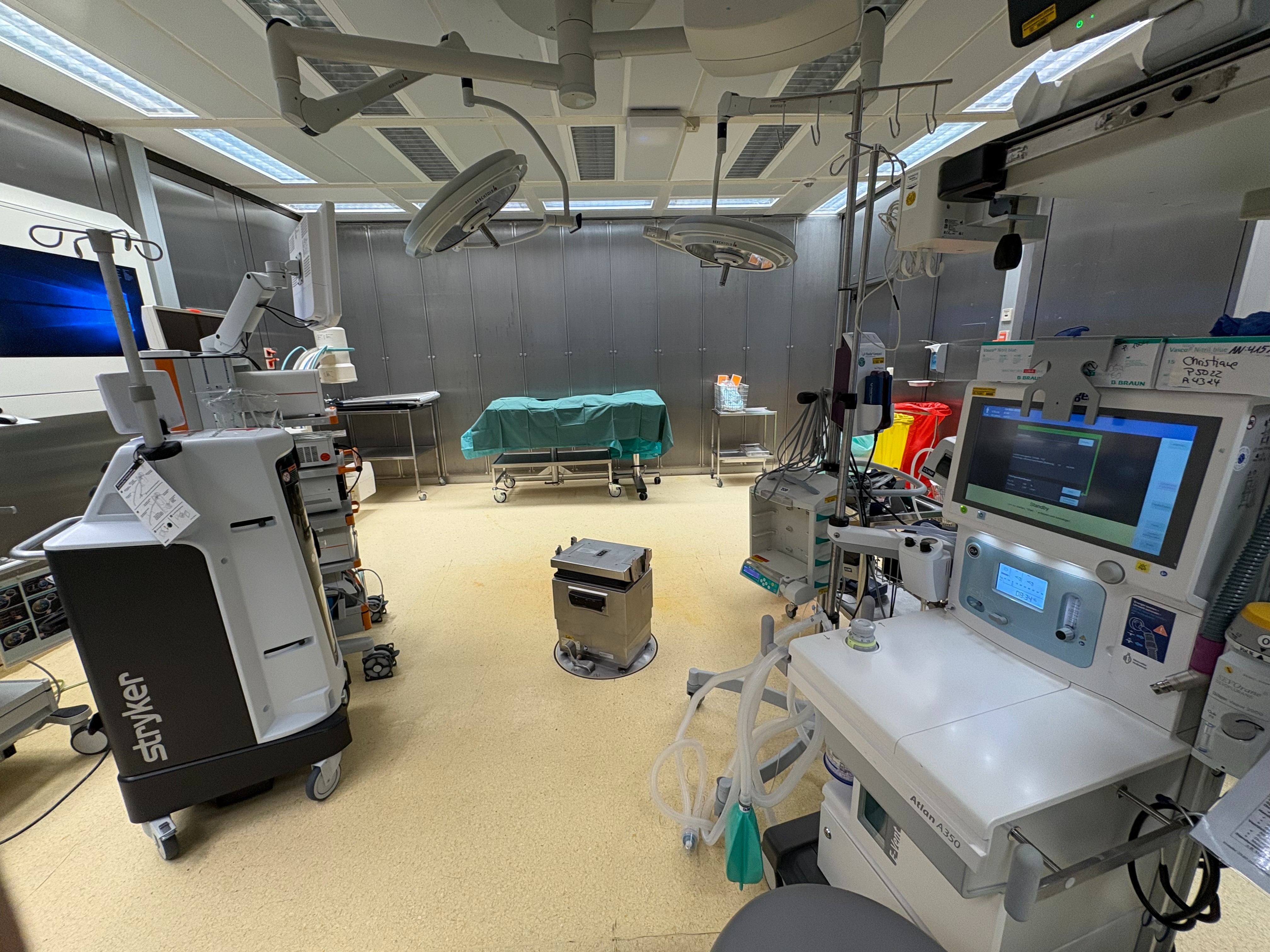
Third is their medical hardware and infrastructure. As a developed country, Germany generally has more advanced medical equipment and resources. The department is fully equipped with a wide range of state-of-the-art medical devices, surgical instruments and even the latest implants.
Doctors make decisions from a purely clinical perspective: if a certain consumable, implant or technique benefits the patient, they can use it directly without excessive concern about cost or insurance coverage. Their primary consideration is the patient’s outcome.
Western medicine, especially surgical techniques, was originally developed in Europe. In Germany, surgeons general follow the AO principles very strictly. Their practice is highly standardized and protocol-driven.
For example, in a fracture surgery, they usually make a relatively large incision for sufficient exposure, strive to achieve anatomical reduction and stable fixation as much as possible. As a result, the intraoperative result appears very precise, and the patients are then encouraged to begin functional rehabilitation at an early stage. Therefore, they perform very well in terms of standardization.
Second, Germany is also more advanced in the application of new technologies and materials than we are. For example, they use a range of fixation and implant technologies that are not yet widely available in China, including novel suture-based fixation systems, intramedullary nails for the fibula, specialized instruments for ulnar osteotomy, the RIA (Reamer-Irrigator-Aspirator) technique for nonunion, and 3D printing technology. This is probably closely related to their strong infrastructure and resource availability.

Third, there are also some differences in treatment philosophy. For example, for geriatric proximal humerus fractures, the preferred treatment in Germany is mostly reverse shoulder arthroplasty, whereas in many hospitals in China, internal fixation is still more commonly used. This may be related to differences in economic development, the general condition of patients, and variations in clinical decision-making philosophies. While this remains a topic of debate, some of these approaches abroad may be considered more forward-looking.
Another example is hip fractures. Many hospitals in Germany are equipped to perform surgery on an emergency basis, usually within 24 hours. Quite often, they even perform emergency PFNA fixation for intertrochanteric fractures, and femoral neck fractures in elderly patients can also undergo urgent joint replacement. This is made possible because implants and surgical materials are readily available, allowing immediate intervention when needed.
But the most important factor is their well-established healthcare system. Patients undergo thorough evaluation, and their clinical information is well documented and continuously followed up, so they have a clear understanding of each patient’s medical history. This enables them to make timely decisions and perform emergency surgery for patients within 24 hours.
We are capable of performing the same procedures in China, there are sometimes delays of two to three days due to the need for comprehensive examinations and preoperative assessments. This may stem from differences in techniques or treatment philosophies.
Finally, it is also important to note that not all advantages lie abroad. During my six-month fellowship, I found that China may actually be more advanced than Germany in some certain areas, especially in the application of surgical robotics.
For example, in our hospital, robotic systems are routinely being used for minimally invasive screw placement for pelvic and femoral neck fractures. I have not yet seen it widely applied in Germany. In this respect, China has been at the forefront in this field in recent years.
During my stay, I was involved in multiple sreas, including of trauma, arthroscopy, and deformity correction, so I had the opportunity to work with many colleagues from different subspecialties across the department. Overall, my impression was that the doctors in Germany are very friendly, warm, and caring toward visiting fellows like us.
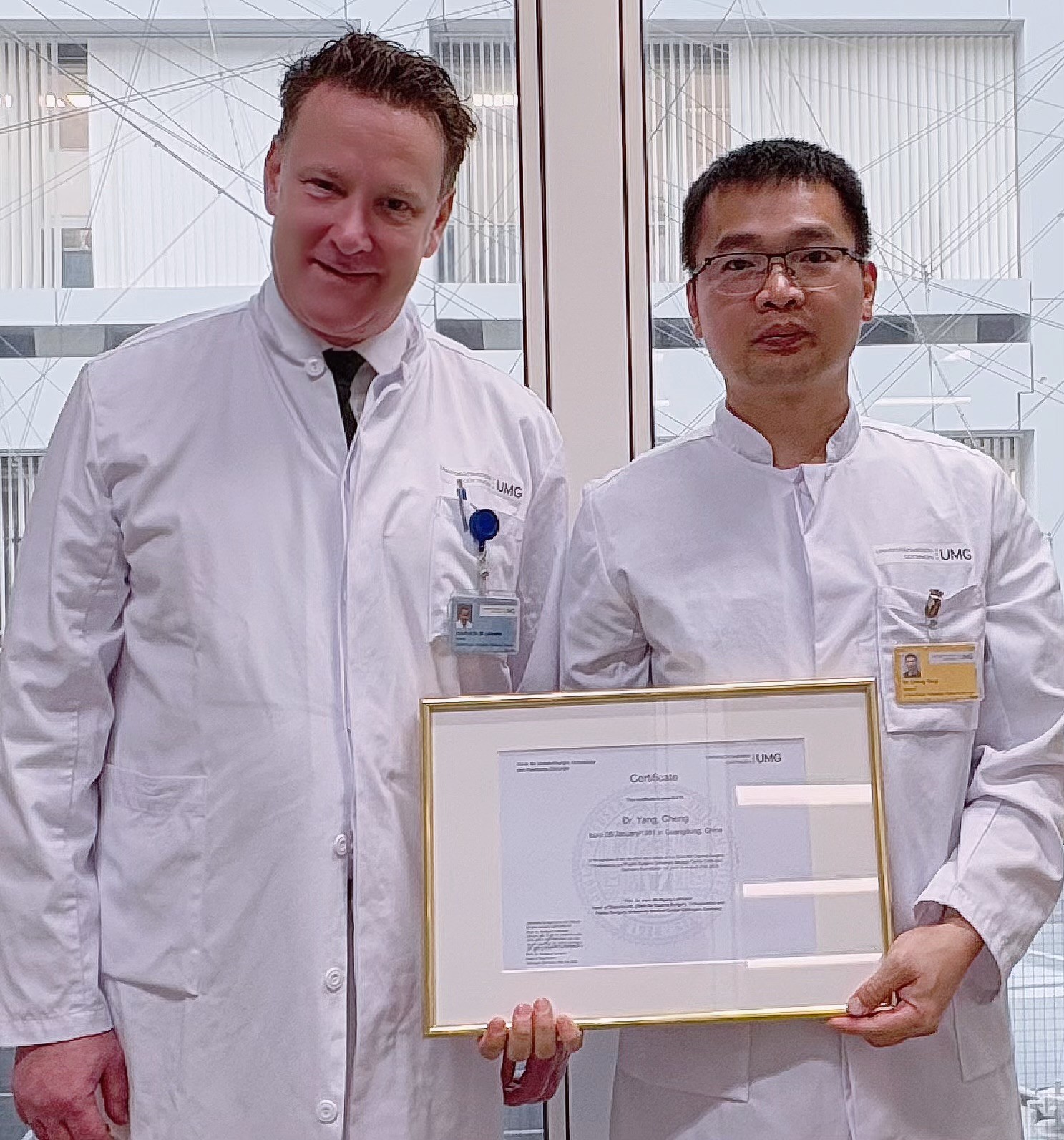
Prof. Lehmann, my supervisor, is the Director and Chair of the Department of Trauma Surgery, Orthopedics and Plastic Surgery and has a very busy schedule. Nevertheless, he made time to personally welcome me on my first day, introduced me to the department and the hospital, and asked about my main learning objectives during the visit. I shared my interests with him, and he immediately arranged the necessary logistics, including access credentials and a campus card, and introduced me to Dr. Spering, the Head of the section of Special Trauma Surgery, to begin my clinical observership. Everything was organized in advance, which made the transition very smooth.
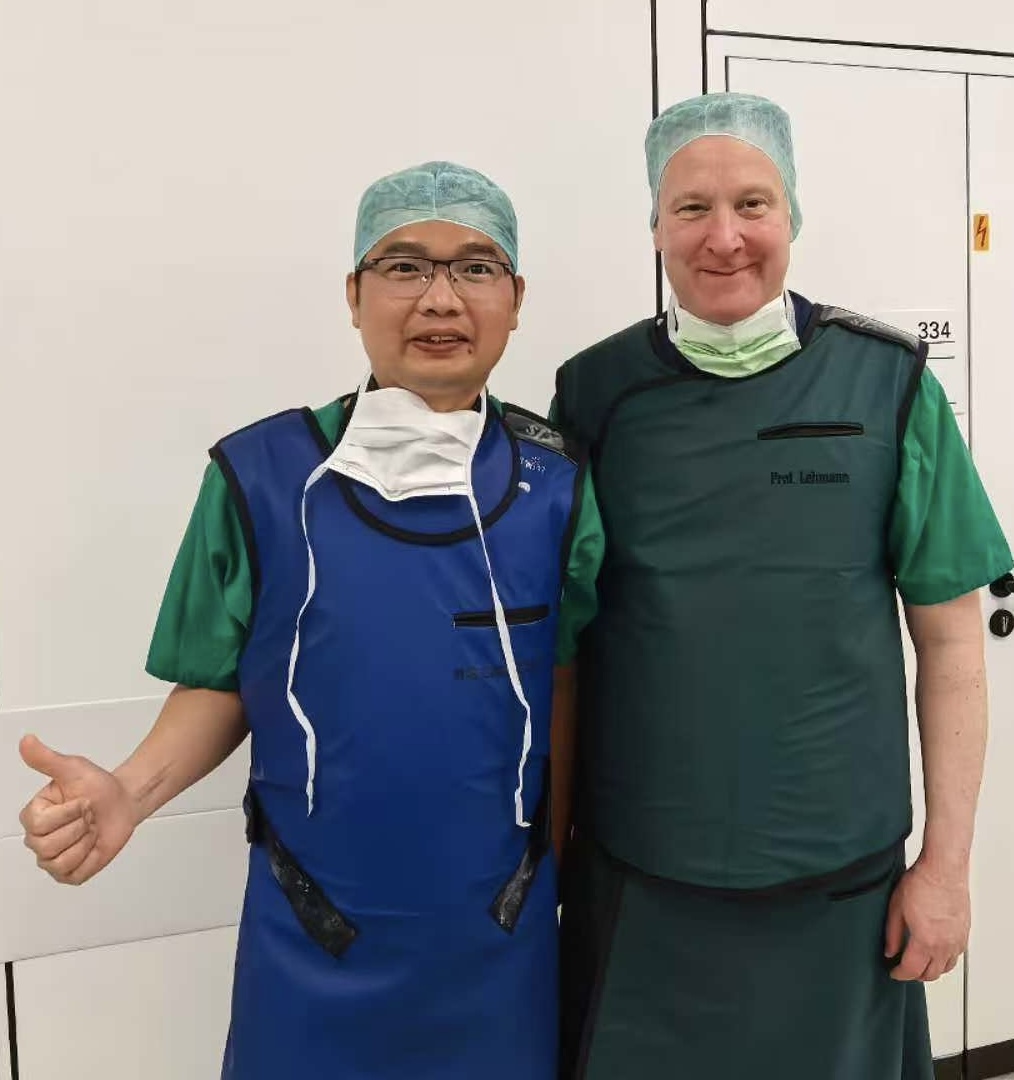
In the operating room, Prof. Lehmann often invited me to scrub in. I mainly followed him in pelvic and acetabular surgery, which is his primary area of focus within trauma surgery. At the same time, he has a very broad skill set and is also experienced in spine and joint surgeries.
During the operations, he would explain key steps and also allow me to take photos for academic purposes, while emphasizing the importance of patient privacy. He clearly pointed out that no identifiable patient information, such as names, should ever be recorded or shared. This balance between openness in teaching and strict respect for privacy left a strong impression on me.
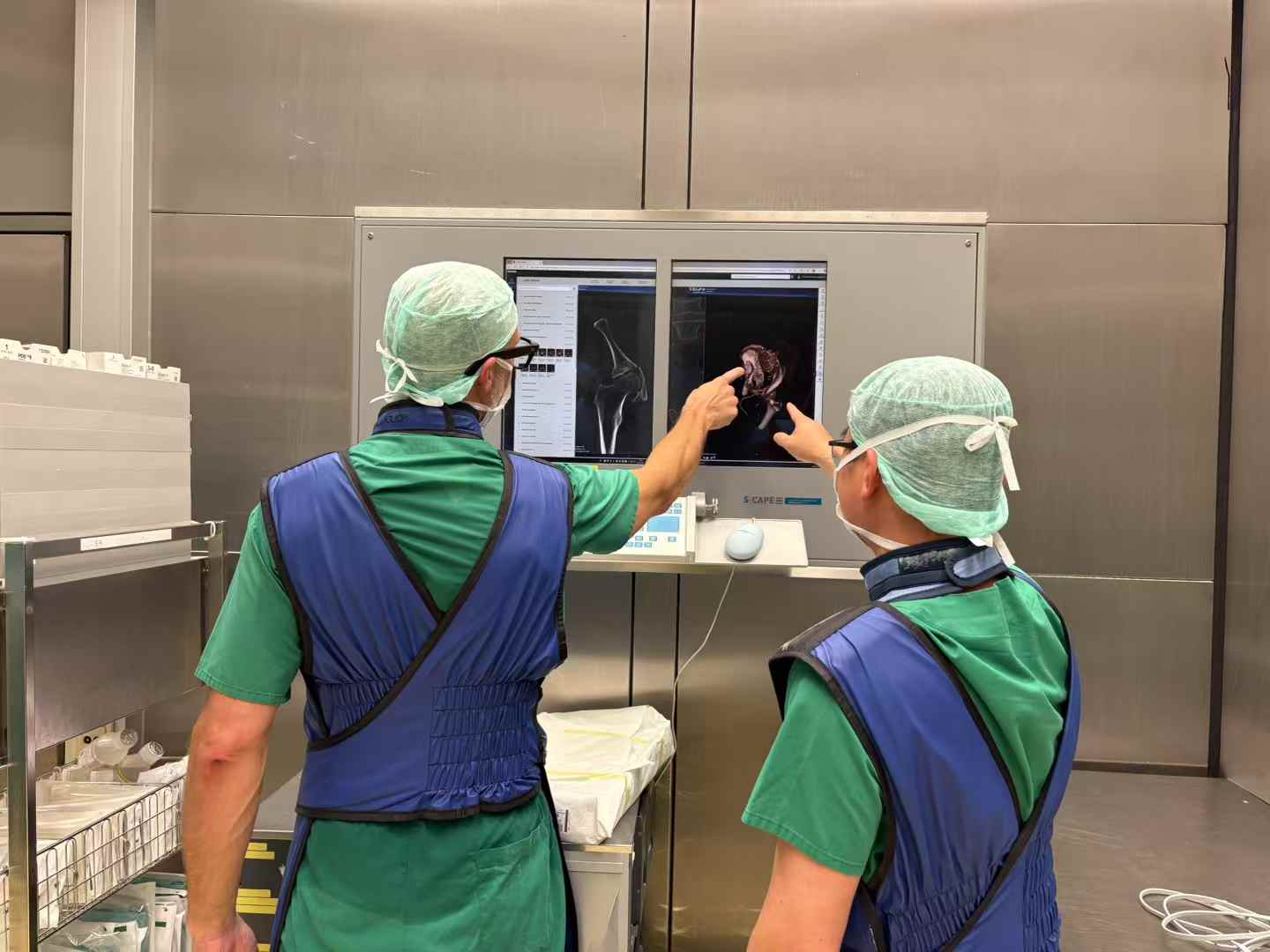
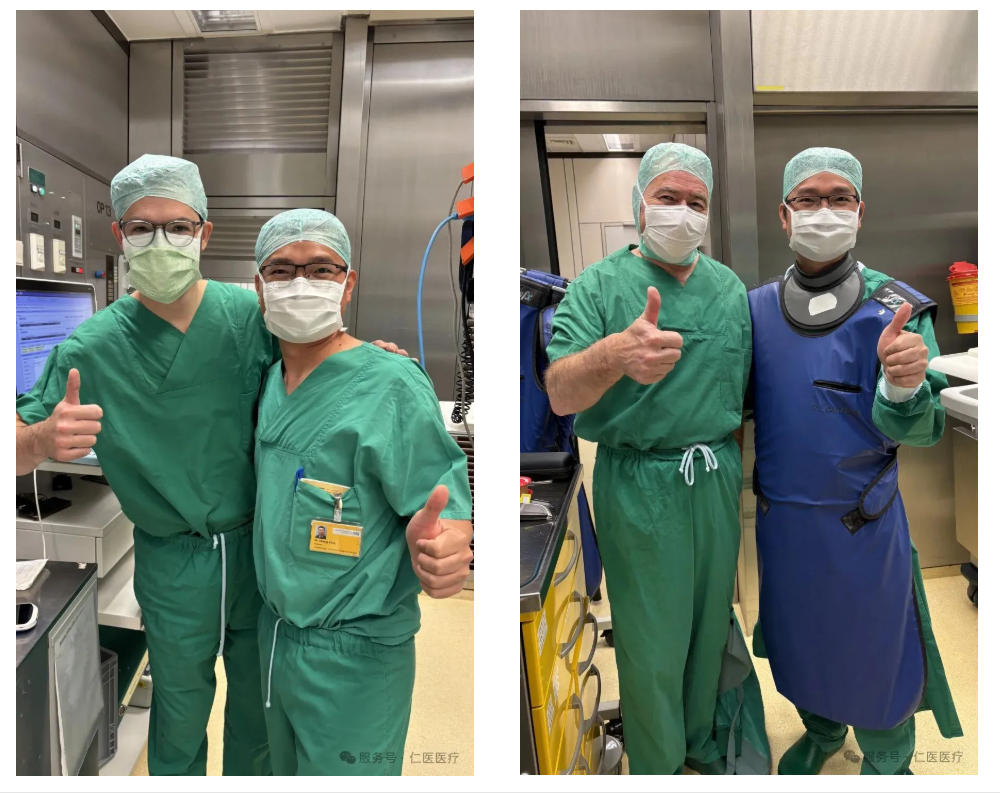
Another mentor is Dr. Spering, the Head of the section of Special Trauma Surgery. He has a very engaging and humorous personality. His main focus is fracture surgery for limb fractures, such as complex periarticular fractures. He is also very friendly. I have assisted him in many operations. During surgery, he keeps a light-hearted atmosphere, which makes the whole procedure very pleasant.
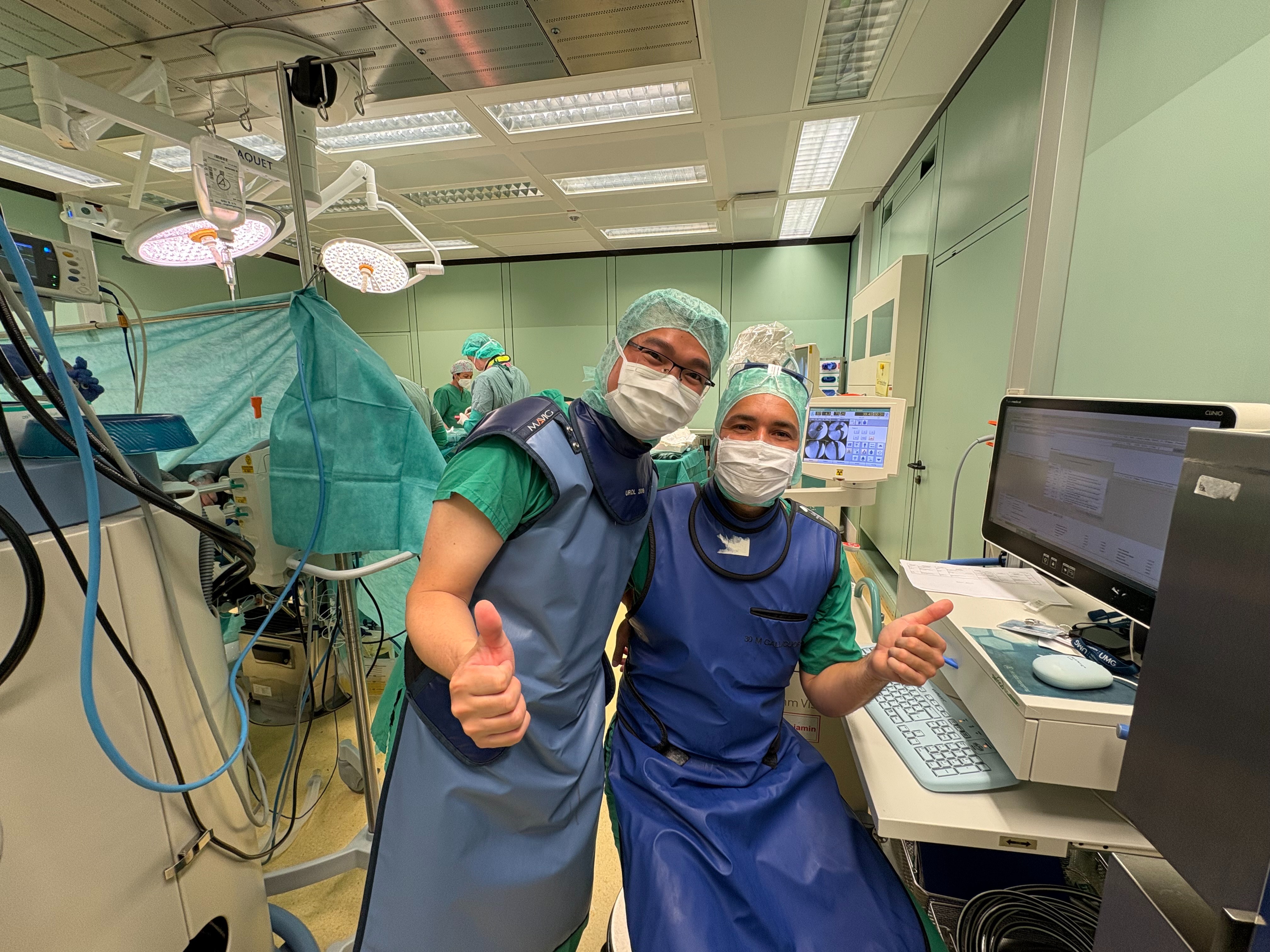
Before going abroad, I had three main goals. The first was trauma care, particularly the treatment protocols and workflows for severe injuries. I was curious whether trauma care abroad would be more advanced than that in China.
The second was pelvic and acetabular surgery. Although our team already has strong expertise and a solid reputation in China, these techniques were originally developed in Europe. Therefore, I wanted to observe how they are performed in Germany.
The third was minimally invasive arthroscopic techniques for the wrist and elbow.Our department was planning to introduce these techniques, so I also hoped to gain experience in this area during my fellowship. These were the three main areas I aimed to focus on.

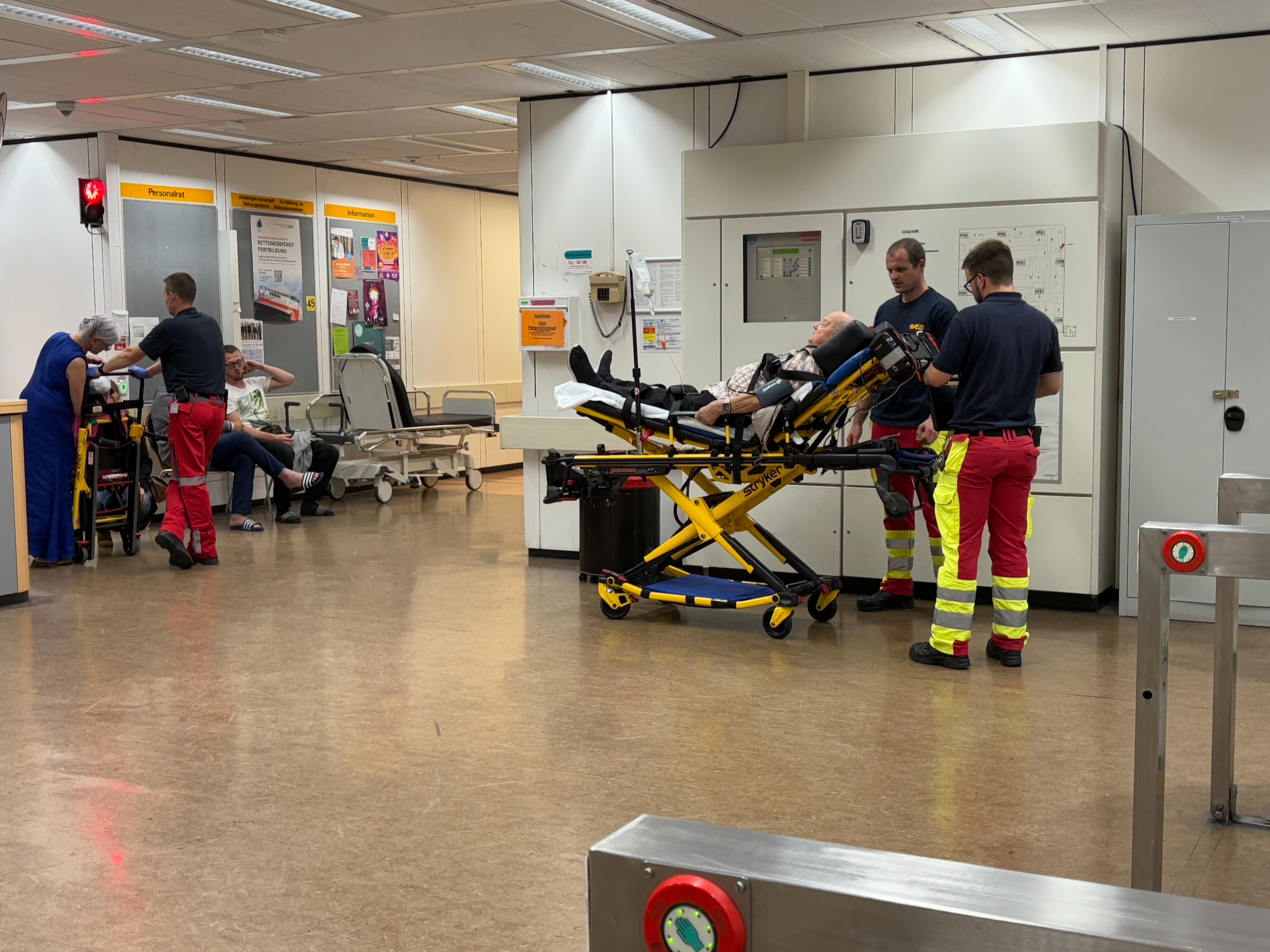
Overall, I gained a great deal from all three areas. First, in trauma care, the University Medical Center Göttingen is a Level I supra-regional trauma center. Prof. Lehmann is also the President-elect of the German Society for Trauma Surgery 2027, which reflects the leading position of their trauma system in Germany. For example, they have a dedicated trauma center, and for severely injured patients from distant locations, helicopter transport is frequently used. Helicopter rescue is used far more often than in China, which may partly be related to differences in the healthcare system and costs. They carry out more than 700 helicopter rescue missions per year, averaging twice per day. This significantly improves the efficiency of emergency treatment.
Their trauma center includes three operating rooms specifically designed for emergency resuscitation and surgical management of patients in shock, fully equipped to perform a full range of life-saving procedures. Once stabilized, patients are then transferred to the general ward of the department.
The overall system design, including the workflow, department structure, efficiency, and division of responsibilities, is highly impressive and worth learning from. Their trauma care system is highly structured and well established.
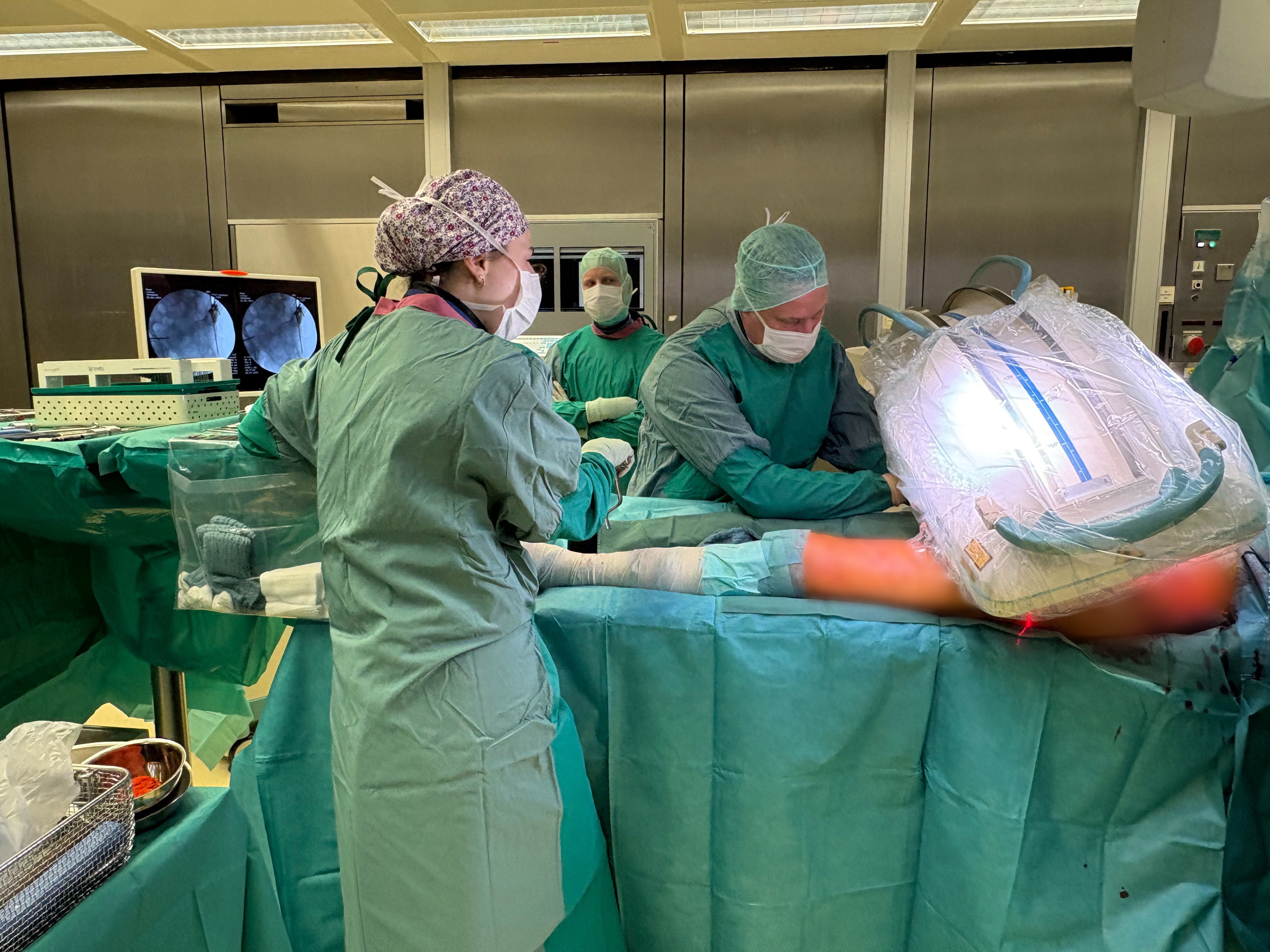
Second, regarding pelvic and acetabular surgery, our department, led by Director Fan, a pioneering figure, is already among the leading teams in China, with strong expertise in approaches such as the lateral rectus abdominis (LRA) and the direct posterior approach (DPA). In Germany, however, surgeons tend to follow more standardized, textbook-based procedures. These include anterior approaches such as the modified Stoppa approach and ilioinguinal approach, as well as posterior approaches like the Kocher-Langenbeck(K-L) approach.
Their surgeries are performed in a highly standardized and stepwise manner-- careful anatomical dissection, exposure, and fixation according to established protocols. Although their surgical volume may be lower due to the lower incidence of such fractures, each case is performed with great precision. Intraoperatively, they frequently use fluoroscopy and repeatedly adjust screw position to achieve the best possible outcomes.
Third, in terms of arthroscopy, our department had not previously performed upper-extremity arthroscopy, but we were planning to introduce wrist and elbow arthroscopy. In Germany, these procedures are already well established and routinely performed. For example, wrist arthroscopy is performed as a day surgery, where patients go home on the same day. This is another area from which China could learn.
In addition, I found it particularly valuable to learn about reverse shoulder arthroplasty for comminuted proximal humeral fractures in elderly patients.
In China, the indications for this procedure have traditionally been very strict. It is typically limited to elderly patients with complex proximal humeral fractures combined with a massive rotator cuff tear. However, in Germany, the prevailing view is that internal fixation in such cases has a high failure rate and often leads to poor functional outcomes. Therefore, reverse shoulder arthroplasty is more commonly chosen as the primary treatment. During my time in Germany, I gained experience in this and have already performed two such procedures after returning.
Furthermore, I was also exposed to small joint replacement procedures, such as carpometacarpal joint replacements in the hand and other mall joint arthroplasties. Due to limitations in prosthesis availability, these procedures are not yet widely performed in China. Seeing them in Germany broadened my perspective, and I believe these are procedures that we may be able to introduce in the future.
I believe this webinar was highly meaningful. During the meeting, Prof. Lehmann presented their experience. As I mentioned earlier, they achieve excellent outcomes in acetabular surgery, but their approaches are mainly based on traditional, textbook-standard techniques. Prof. FAN Shicai, on the other hand, presented the innovative lateral rectus abdominis approach, which we developed over the years. However, Because Prof. Fan’s team has had relatively few international exchanges, many international colleagues did not fully realize how far we have advanced in this field. Prof. Fan’s work is outstanding, but until now his influence has largely been limited to China.
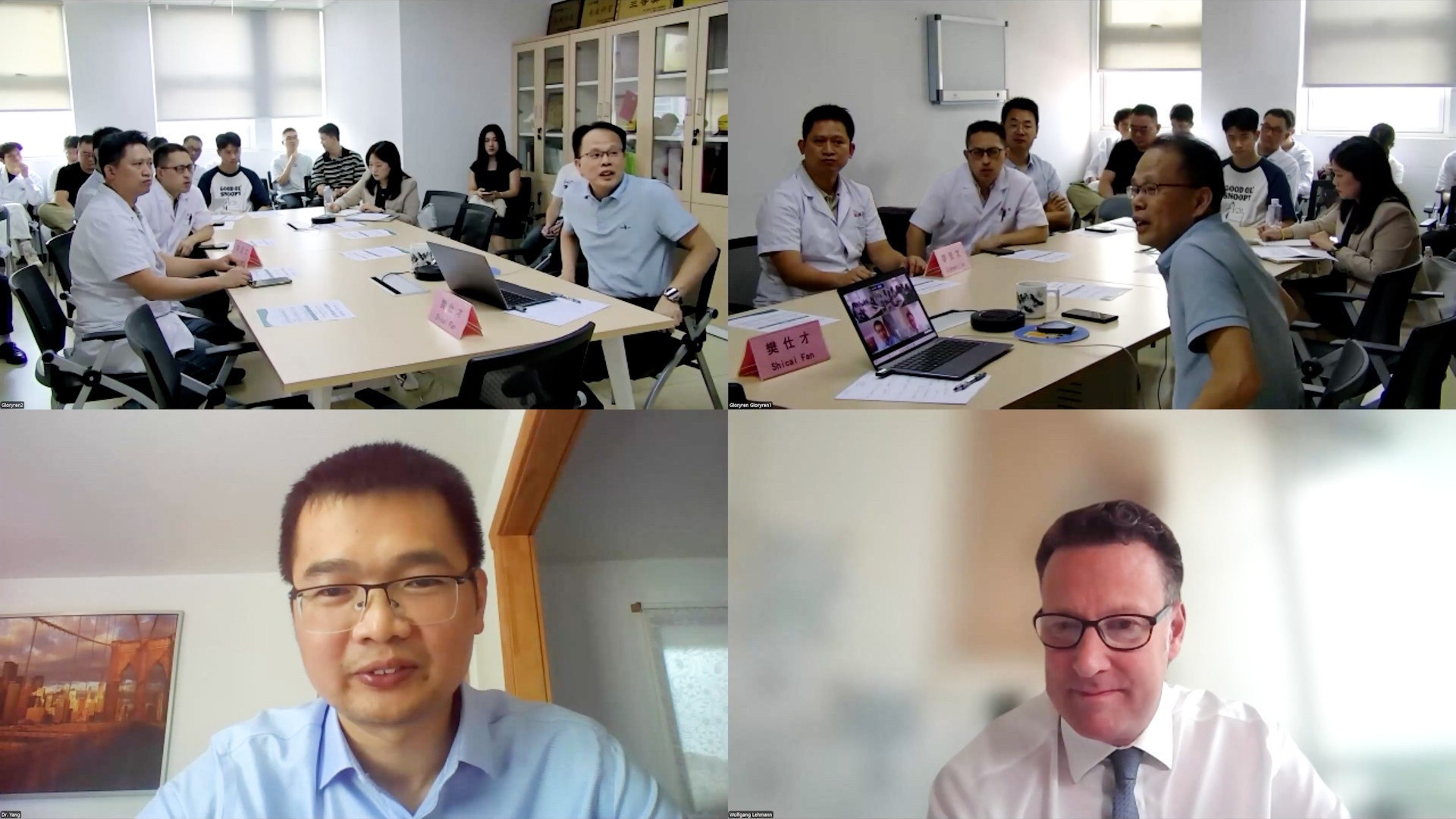
After the webinar, Prof. Lehmann was quite surprised to see that we could perform these operations in such an advanced and minimally invasive way. I also had further discussions with him afterward, and he was very interest in understanding the technical details of our approach. After discussing this with Prof. FAN, I shared some of our surgical videos and publications with the German team. They showed great interest in both the technique and our clinical cases. There is also an important difference in approach. German surgeons tend to be very evidence-driven and cautious when it comes to new surgical techniques. Before adopting an innovative approach, they want to see strong evidence and thorough validation. Only after a new method has been carefully studied and widely accepted will they apply it in clinical practice.
From my point of view, this webinar served as an important window for international colleagues to better understand the current level of pelvic and acetabular surgery in China. Looking ahead, there may be opportunities to invite them to visit China for deeper exchanges. Such interactions enable a more comprehensive mutual understanding. At the very least, this webinar has presented that we are capable of performing these procedures at a very high level. It also highlighted that China has reached a high level of expertise in the field of pelvic and acetabular surgery. Over time, it is possible that they may gradually recognize, adopt, or even integrate our techniques into their own clinical practice.
First of all, I would like to sincerely thank Gloryren for providing us with this opportunity, allowing us to attend such a high-level international conference during our fellowship in Germany.
First, the EFORT Congress is a large-scale and highly influential event across Europe, attracting a significant number of participants. It is quite similar to the COA conference in China, featuring various themed sessions, as well as exhibitions of new materials, technologies, and medical devices.
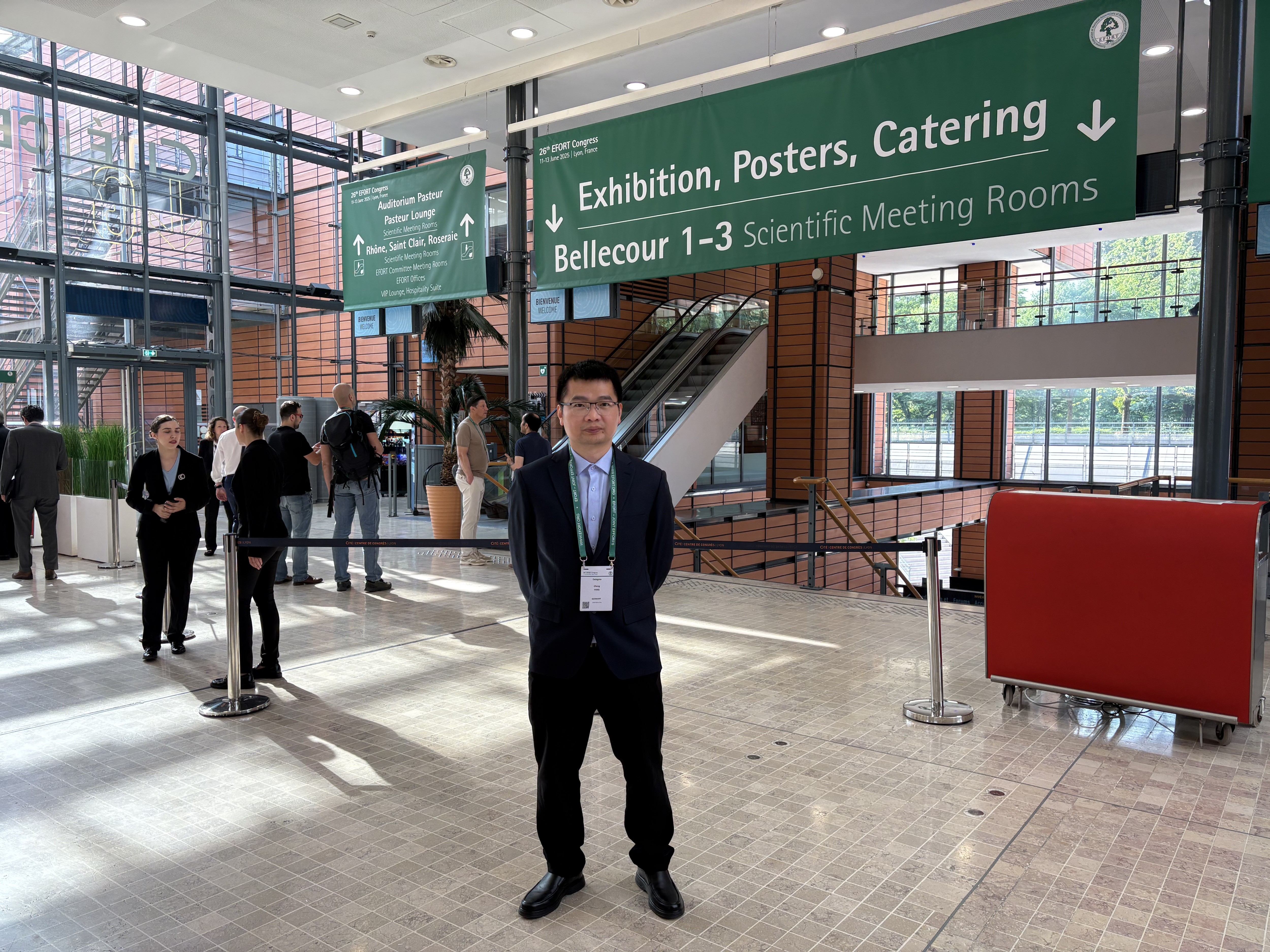
Second, in addition to European participants, experts from the United States, China, and other countries were also invited to present their latest research findings and share clinical experience. The conference was organized into multiple themed sessions. I mainly focused on areas of my interest, such as trauma, pelvic and acetabular surgery, bone infection, upper limb and forearm surgery, as well as shoulder and elbow arthroplasty.
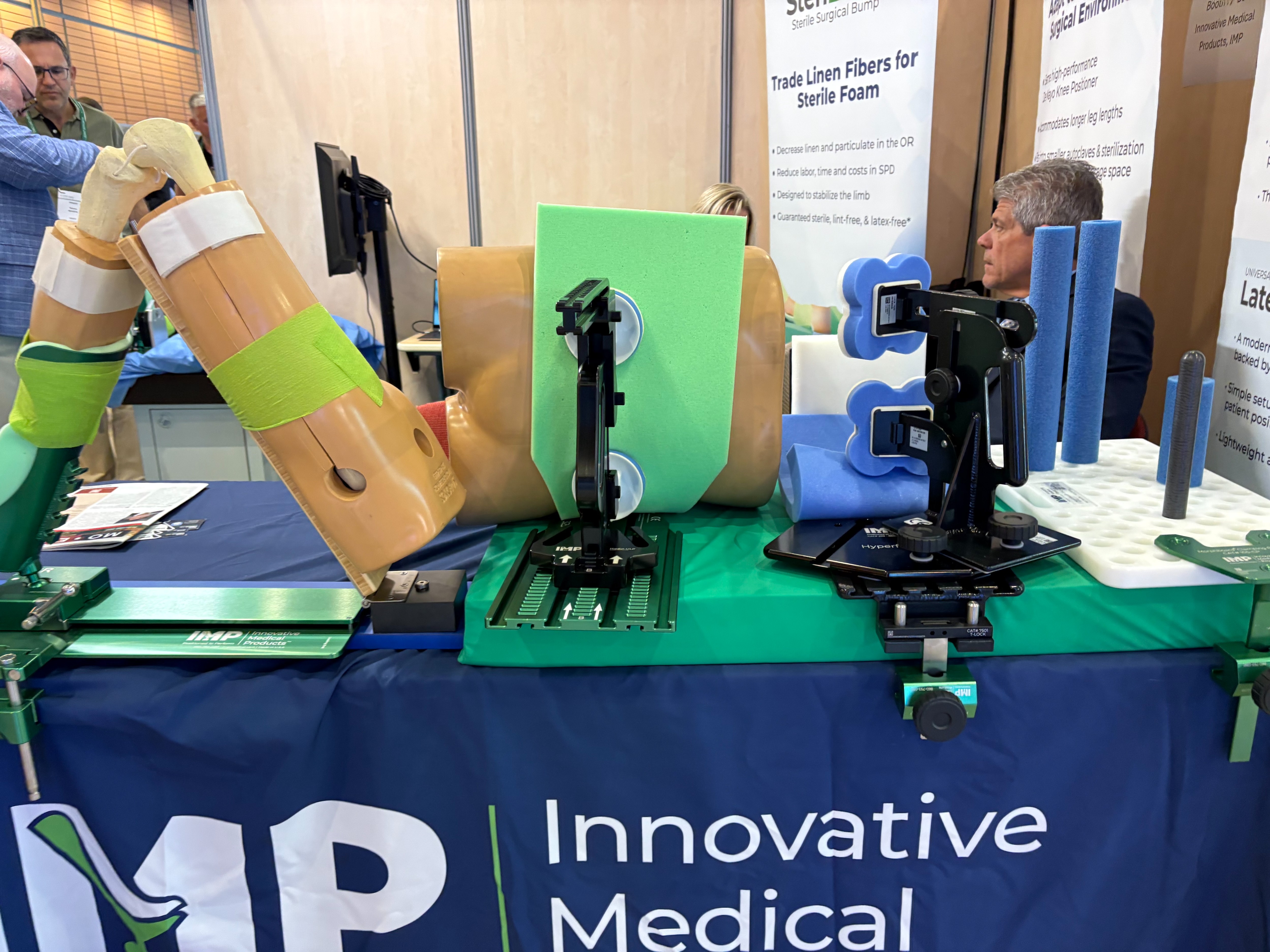
Overall, my impression was that the presentations were very structured and evidence-based. Most talks were delivered in a format similar to academic papers. Even for relatively simple clinical experience summaries, the speakers would clearly present details such as the number of cases, specific clinical conditions, and key points.
Also, there were many presentations on basic research. Although not all studies were highly complex, many addressed practical clinical challenges. Researches would focus on specific problems, collect cases and data, and present their findings. Even small, focused studies could provide meaningful insights. This is an important aspect of research that we can learn from.
Clinical research does not necessarily have to focus on large or ambitious topics. Even focusing on a specific complication or surgical technique, with solid follow-up data, can be highly valuable and direcly applicable to clinical practice.
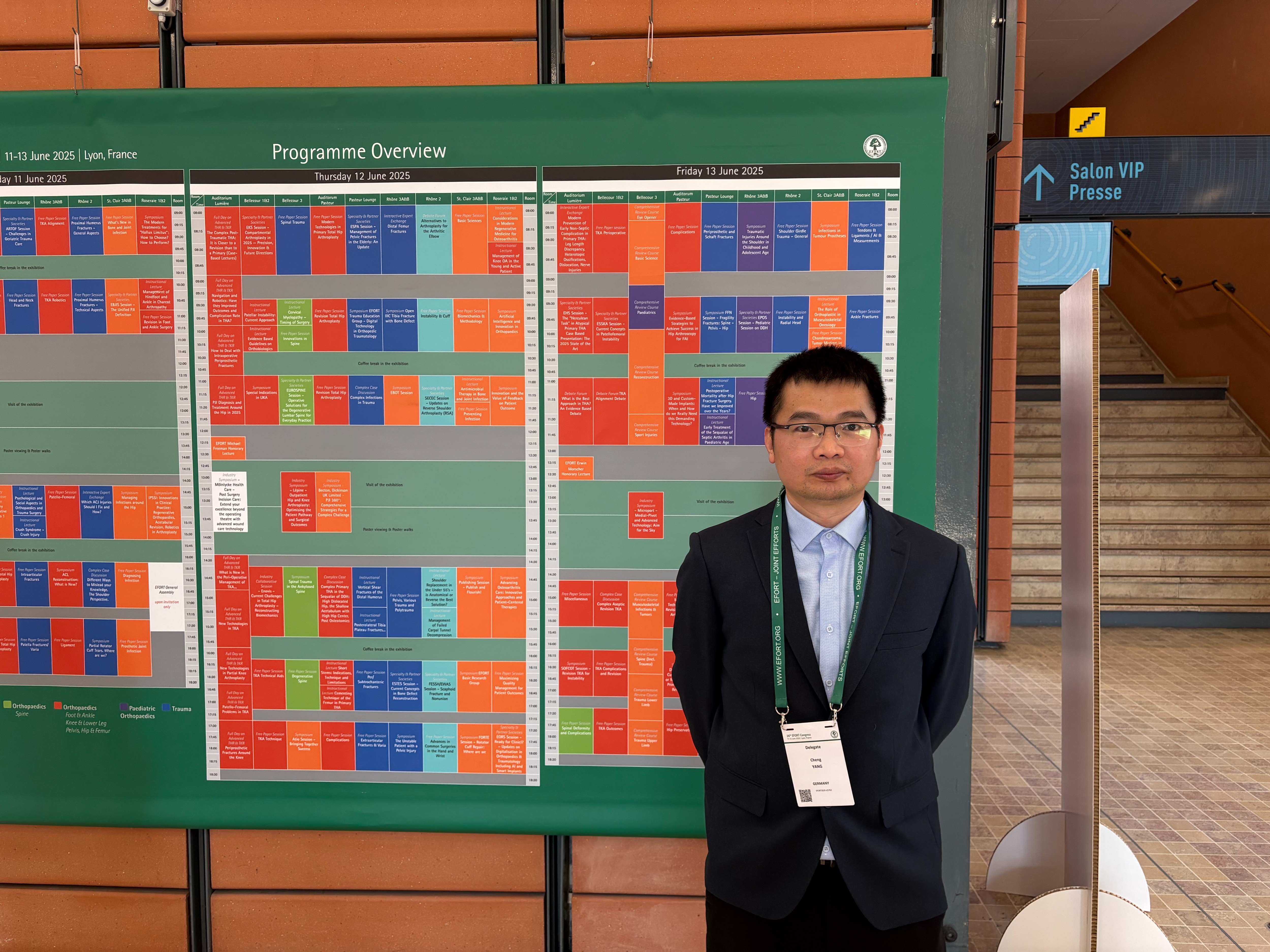
Thirdly, the format of the sessions were highly interactive. Each speaker was given a few minutes to present, followed by a question-and-answer session. Unlike some conferences in China, where speakers may leave after presenting without much discussion or interaction. Typically at EFORT, several speakers would present consecutively, and then all would remain on stage while the audience asked questions. Attendees could freely ask questions, and the speakers would respond on the spot, allowing for immediate clarification of doubts and in-depth exchange.
Fourthly, I also saw a number of speakers from China, mainly from major centers such as Beijing and Shanghai, although the overall number was still limited. Personally, I felt encouraged by this. In fact, many of our techniques and research in China are not inferior. However, we still have limited participation on global platforms. In the future, we should actively submit our research and share our work internationally. There is a strong possibility of being accepted for presentation.
The main challenge, in my opinion, lies in language. English communication, especially in academic exchanges, remains a relative weakness. Presentating slides may not be a major challenge, but engaging in real-time discussions and responding to questions on the spot can be more demanding. For example, after presenting, one must be able to clearly answer questions raised by the audience. Real-time interaction requires both language proficiency and confidence. This may be one of the reasons why some Chinese doctors are less willing to participate in international conferences.
If we continue to improve in this area, many of our research achievements could be shared more widely with the international community, allowing others to better understand the current level of development in China.
After the fellowship, I became even more aware of some of the differences between China and other countries between China and Germany, and there are many strengths in Germany that worth learning from. I would like to share a few observations from their clinical work. German surgeons are quite diligent. Residents start ward rounds very early, usually before 7:00 a.m., and by 7:30 a.m. the entire department gathers for the morning handover. Their morning conference is very distinctive: everyone from the whole department attends. Firstly, the doctor on duty reports on the ward situation of the previous day. One particularly impressive aspect is their radiology review. The radiologists are invited to join the meeting, and they review a wide range of images, including those of patients scheduled for surgery that day, newly admitted patients, and outpatients returning for follow-up. The department chair leads the discussion and provides comments.
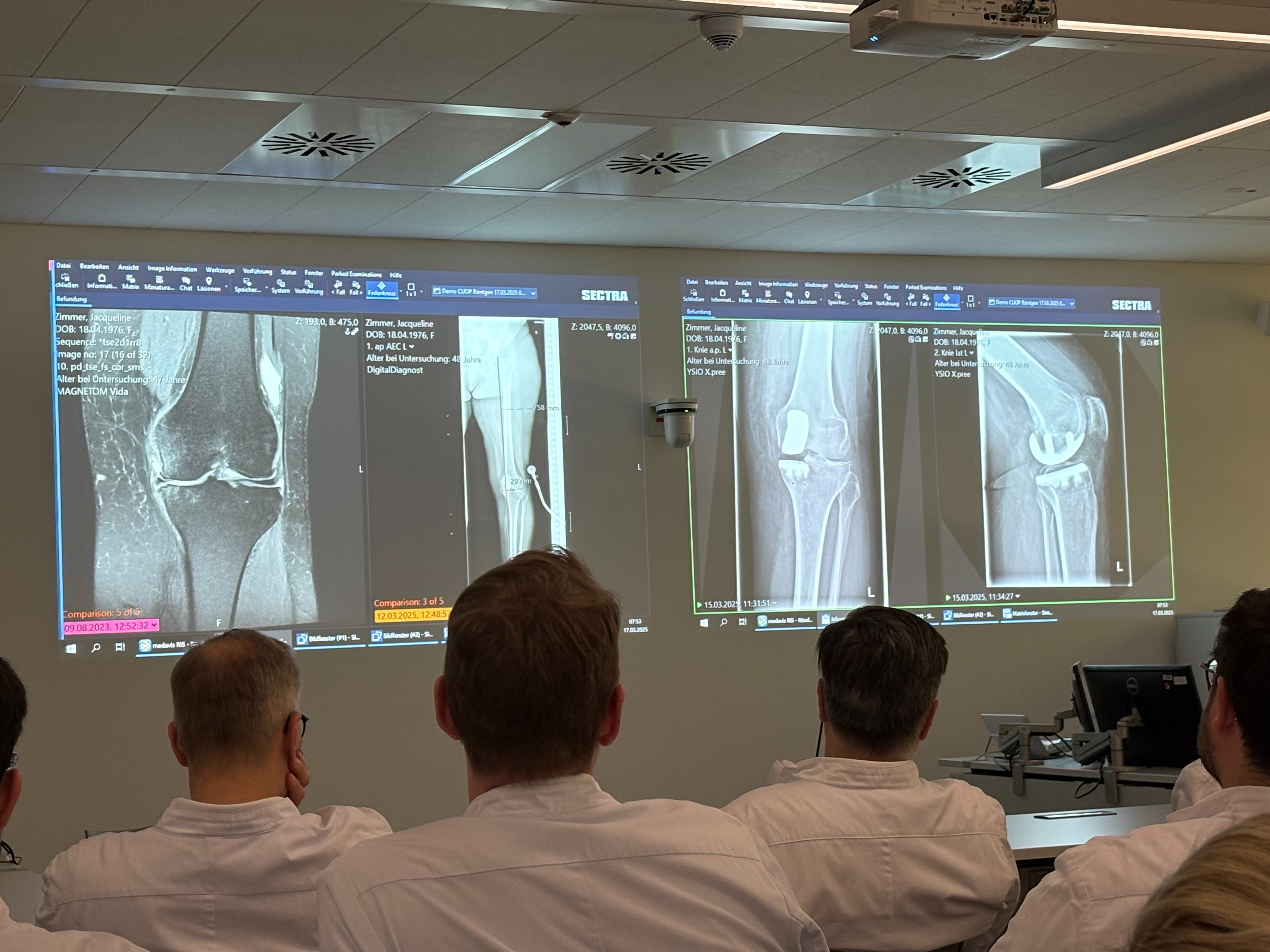
For example, they review the cases that were operated on the previous day. Their system can project not only the intraoperative fluoroscopy images, but also the entire surgical process. In China, we often still rely on the C-arm and need to copy images onto a USB drive. In Germany, however, everything is integrated into the hospital system. The intraoperative fluoroscopy images from the C-arm can be projected directly during the meeting. If the chair feels there was a problem with the final fluoroscopic image, they can pull up the earlier fluoroscopy images taken during the different stages of the procedure and review how the implant position was adjusted step by step throughout the operation. This is extremely valuable for younger surgeons and for teaching, because everyone can clearly understand the surgeon’s thought process and the adjustments made during the procedure. In China, we often only see the final fluoroscopic image, while those who were not present in the operating room do not know what changes or refinement were made during the procedure. Therefore, this system is highly beneficial for teaching, for the training of young doctors, and also for visiting fellows like us.
Since their surgical volume is lower than in China, they are able to review cases in a much more comprehensive and detailed way. They also review the images of patients returning from the outpatient clinic. Cases with no issues are reviewed briefly. If there is something unusual, they go back and compare the images from one month, two months, even three months earlier, showing a dynamic retrospective overview. The attending doctor and the primary surgeon then add further comments and updates. In this way, the entire course of the patient’s treatment is presented in detail. I think this is another aspect that is particularly valuable. Sometimes in China, we only know the final outcome of a patient, while after discharge, many patients are no longer followed closely. In Germany, they have an excellent follow up systems. This is not only beneficial for maintaining patient records, but also for teaching. I believe this is something truly worth learning from.
They attach great importance to the morning conference. It usually last about half an hour. Straightforward cases are reviewed quickly, while difficult cases are discussed in depth. Every day at 3:00 p.m., there is a preoperative case discussion, and almost the entire department attends unless someone is in surgery. The attending doctor presents the case, the surgeon explains the operative plan, and then the entire team discusses difficult issues together. Their system is therefore implemented much more effectively. In China, such meetings are sometimes more of a formality and are not always properly carried out. This may partly related to the heavier workload and larger number of patients. Germany does not have as many cases, but they approach each case in a much more meticulous and thorough way, with more complete follow-up. This also very helpful for later data collection and academic paper writing. I think this is really worth of learning.
Second, there is the matter of work attitude. German doctors may not appear extremely busy, but they are very rigorous and conscientious in everything they do. They strive make every effort to do their work as well as possible and stay focused on their clinical responsibilities. Everyone wears lead aprons before every operation. The surgeons remain in the operating room throughout repeated fluoroscopies without anyone leaves the room. Even the nurses and anesthesiologists in the operating room wear lead protection. In China, people often step outside during fluoroscopy. I am not saying one approach is necessarily better than the other, but it reflects their work attitude and style. They are sometimes willing to make certain sacrifices to do things properly. Therefore, their professionalism is truly worth learning from.
Finally, there is scientific research. They attach great importance to research. As a university hospital, they value both research and clinical work equally, and they have dedicated postgraduate students and research teams. Most of their research projects originate from practical clinical problems, focusing on solving problems in areas such as biomechanics and biomaterials that are closely aligned with clinical needs. They are not primarily pursuing publishing “high-impact papers”; instead, they prioritize solving practical problems. They also invest heavily in research, with stronger laboratory facilities, equipment, and staffing than what we currently have in China. In the future, we hope to continue communicating and cooperating with them, to build a bridge for exchanges. When conditions allow, we also hope to send students there for exchanging and training, which I believe would be very beneficial.
This fellowship was indeed rewarding. It broadened my horizons and gave me the opportunity to experience new medical techniques, as well as a different culture and way of life. It was a very valuable experience in my life. If possible, I would definitely like to go abroad again for further study. This time in Germany, I mainly focused on several different areas. Personally speaking, if I get another chance, I would probably concentrate more deeply on one specific subspecialty, such as bone infection or deformity correction. Of course, the prerequisite is to continue improving my English and communication skills. Based on this experience, I With the experience I have gained this time, I believe I would feel much more confident and at ease if I go abroad again in the future.
11. Finally, I have one last question, what would you like to say to doctors who plan to pursue a fellowship at the University Medical Center Göttingen?
Athough Göttingen is a small town, it has a very strong academic atmosphere. The professors and staff in this university town are very friendly, approachable, and supportive. For anyone planning an observership there, I think it is important to prepare in advance. The Department of Trauma Surgery, Orthopedics and Plastic Surgery at the University Medical Center Göttingen is a comprehensive orthopaedics department, making it an excellent choice if you wish to gain general knowledge across the field. However, it is further divided into various subspecialties. If you want to focus on a specific area, such as foot and ankle surgery or spine surgery, Göttingen is also a very good choice.