-
News & Events



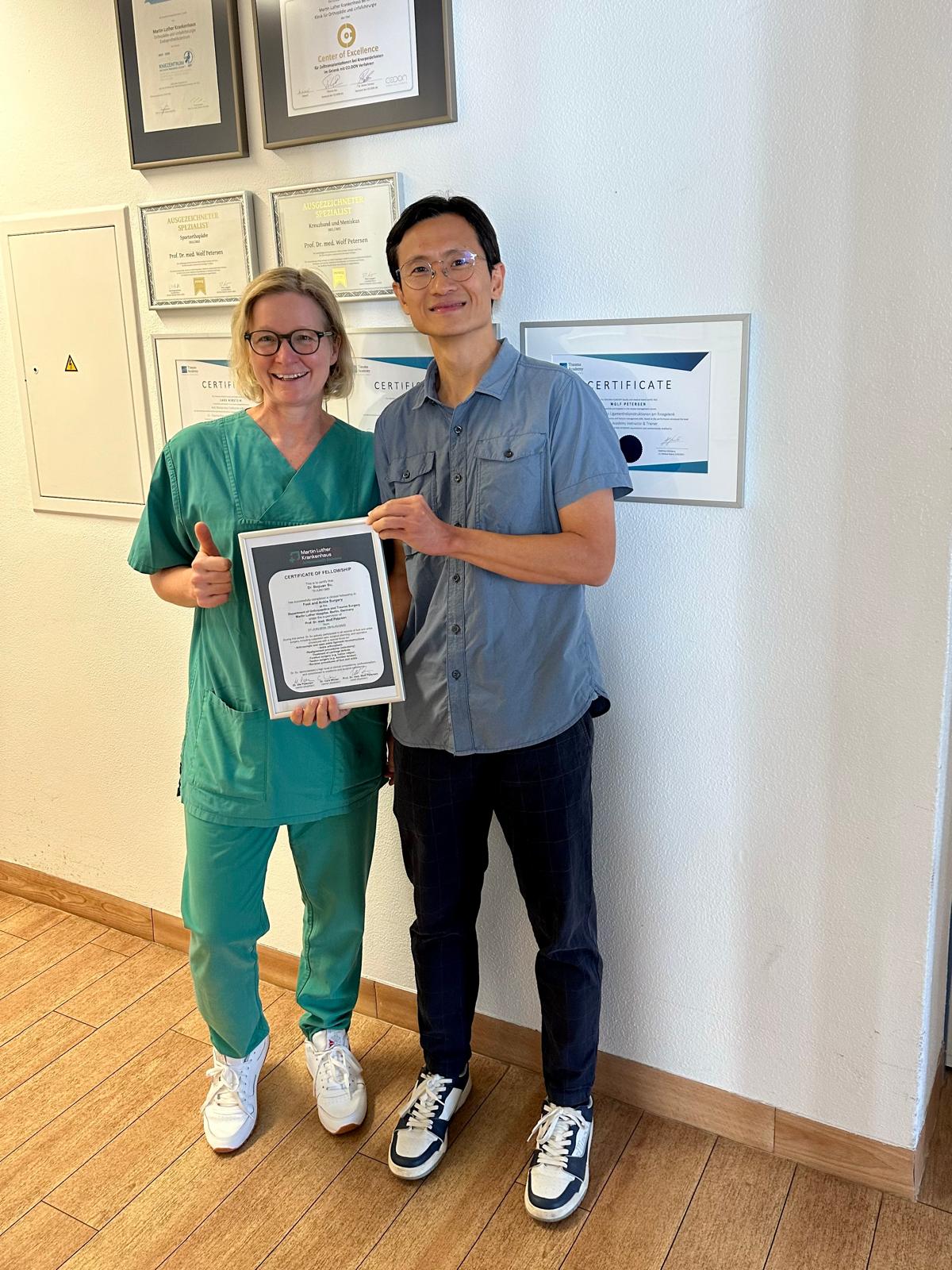
From June to August 2025, Dr. SU Boyuan, Associate Chief Physician of the Department of Orthopaedics VII (Foot and Ankle, Pediatric Orthopaedics) at Dongguan TCM Hospital, undertook a visiting fellowship at Martin Luther Hospital in Germany. This marked his second academic visit to Germany. Eight years ago, he first arrived as an early-career visiting scholar exploring the frontiers of his discipline; today, he returned to Berlin with clearer objectives and more refined clinical expertise—not merely to observe, but to further advance his professional mastery.
In this episode of Healing with Benevolence, Dr. SU Boyuan reflects on his two academic visits to Germany and shares insights into the convergences between China and Germany in clinical philosophy and technical standards within the field of foot and ankle surgery. He emphasizes the importance for physicians to “go outside” their familiar environments, likening the experience to viewing a cup from multiple perspectives in order to perceive its different facets and transcend entrenched patterns of thinking. Only by broadening one’s horizons can professional limitations be surpassed; only through benchmarking against international standards can the patient-centered approach be authentically and continuously refined.
The main reason stems from the fact that about seven or eig ht years ago, I had already been to Germany for a short-term visiting fellowship in Hannover. At that time, I went as an AO Fellow and conducted my fellowship at Hannover Medical School. During that period, I found that healthcare in Germany was quite advanced, including the hospital equipment and medical technologies, which were in fact considerably ahead of those in China. Therefore, this time I hope to go to Berlin again to see how they have progressed, and whether their developments can provide us with new insights or practical benefits.
Actually, the differences between the two fellowships are quite significant. During my first fellowship, I went as an AO Fellow, mainly to study trauma care, including some of their more advanced minimally invasive concepts for fracture treatment at Hannover Medical School. This time, the fellowship was specifically focused on the specialty of foot and ankle surgery. The main goal was to learn more about diagnostic and treatment approaches in the foot and ankle field, as well as some of the more advanced concepts at Martin Luther Hospital in Berlin. Therefore, the focus of learning was different. Moreover, this fellowship provided a deeper understanding of the overall German healthcare system, and also more exposure to German culture and humanities. As a result, this experience was quite profound.
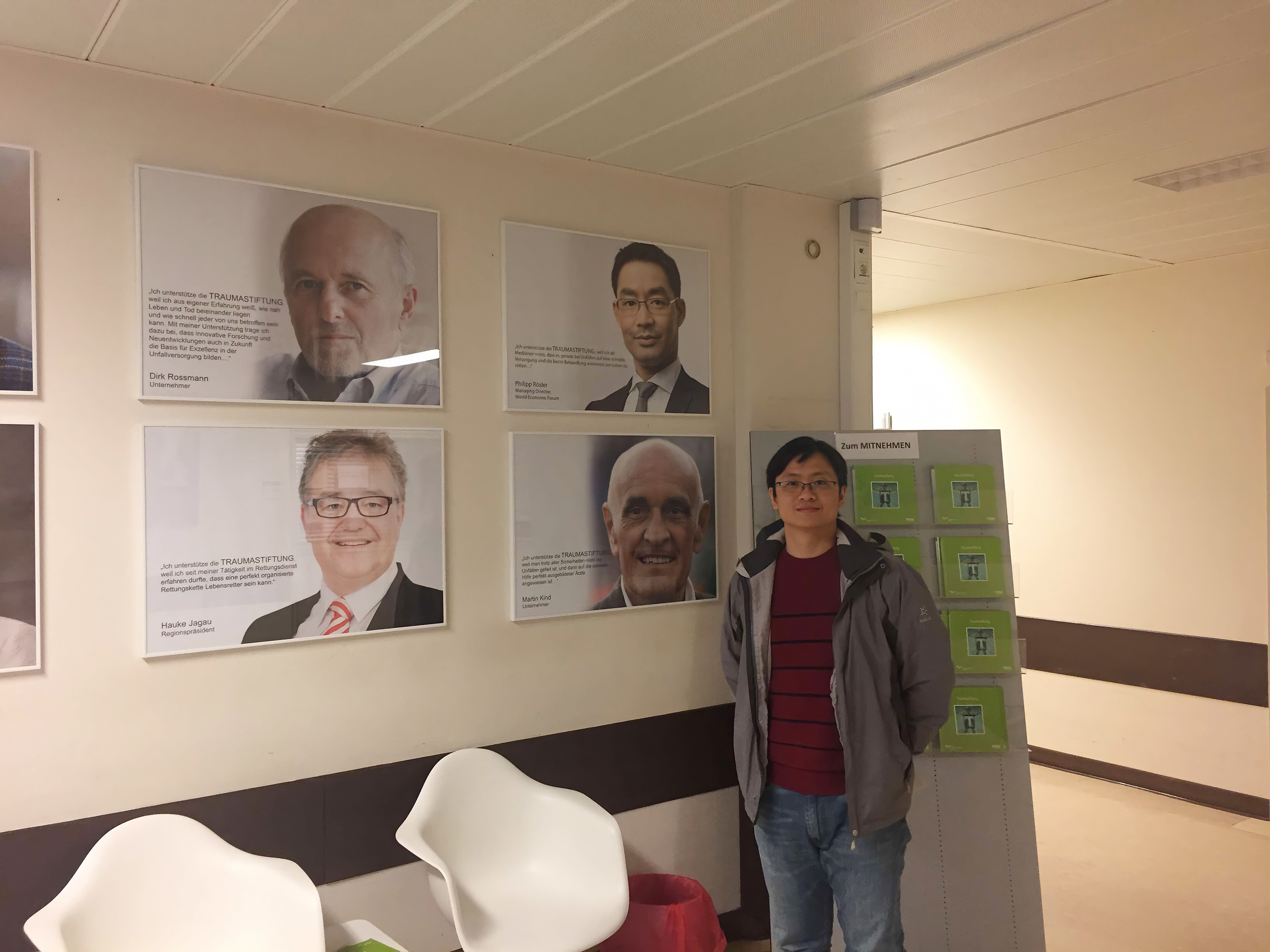
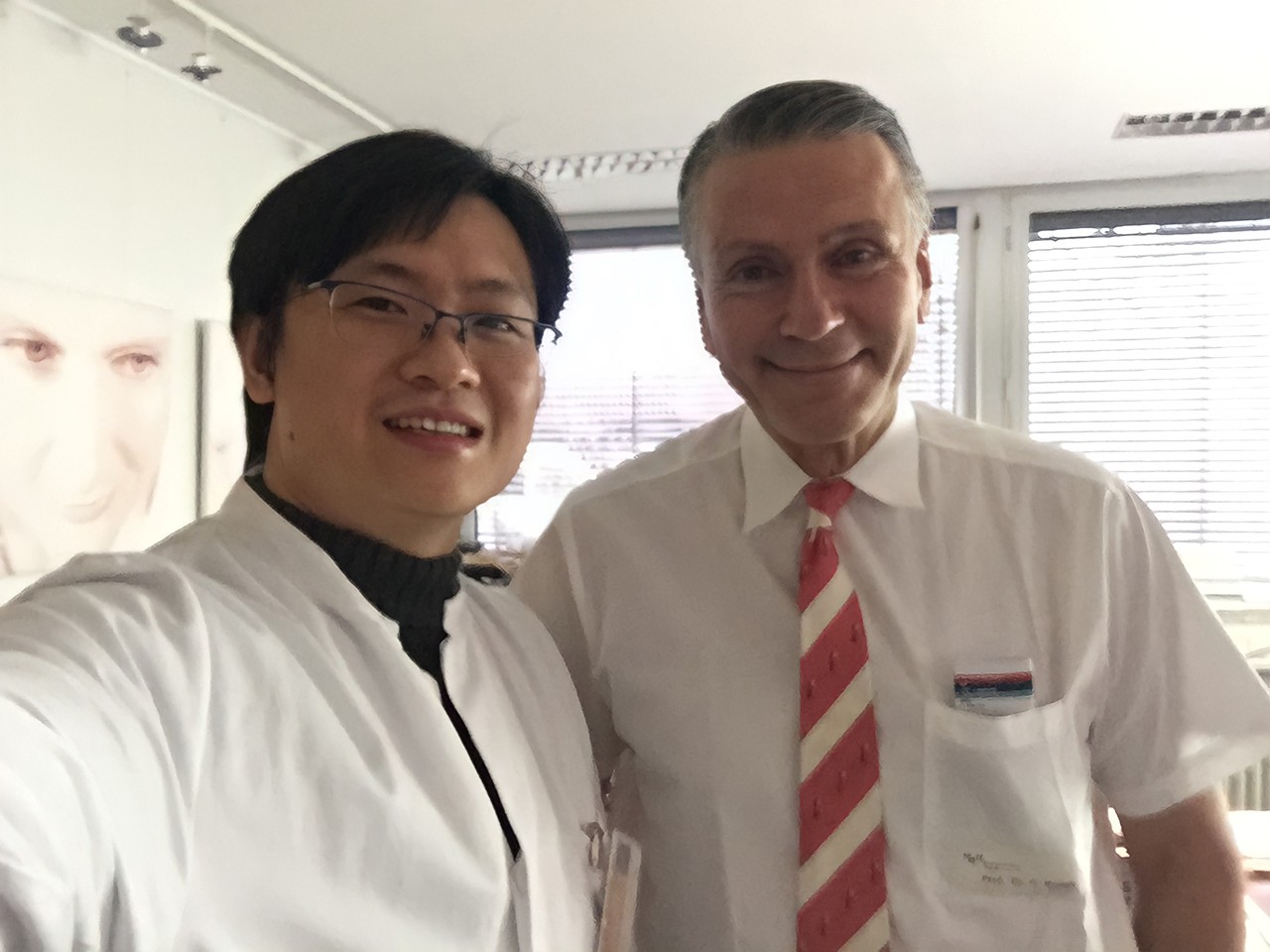
Another difference is that, actually, at Martin Luther Hospital, the orthopedics department mainly focuses on sports trauma, so more athletes come to this hospital for surgical treatment. We also learn a lot about what kind of methods are used to help elite athletes recover and return to the field more quickly. On the other hand, the Hannover Medical School I visited before, its orthopedics department mainly deals with emergency fractures and trauma, so most patients require urgent treatment. Because of the different patient populations, the hospital’s approach is different; there are more emergency surgeries or fracture surgeries to handle.
Of course, the first time I went to Hannover, everything felt very new and unfamiliar-the local life, transportation, everything was extremely unfamiliar. At that time, I went to a strange city with a whole bunch of questions. The second time, in Berlin, I was already relatively familiar with things, including how to take the subway and how to organize daily travel. I had a general understanding of all that, so the second trip was much smoother.
So, actually, Hannover Medical School is a public hospital, and it is also a university hospital. Its whole system is very well established. Its teaching is also excellent because it is a university hospital. Their research is very strong as well, and many doctors participate in daily basic science research, but their main experience is still in clinical research.
The biggest difference compared to Martin Luther Hospital is that Hannover Medical School is a public hospital, and the vast majority of patients are ordinary people-it serves the general public. Martin Luther Hospital, on the other hand, is a church hospital and also a private hospital. Some patients have insurance from private companies, meaning they purchased the insurance themselves. For these patients, generally speaking, their demands, expectations, or the level of care they expect from doctors are higher. And because the hospital has some privately insured patients with special status, the hospital also handles them more carefully and cautiously. Actually, the equipment in private hospitals in Germany is not necessarily much more advanced than in public hospitals, but I feel that the humanistic care is very well done. This is also one of the differences between these two hospitals.
At Martin Luther Hospital, they start their morning rounds very early. Around 7:30 to 8:15, they have a film-reading session, where they review X-rays related to the surgeries that were done yesterday and those planned for today. They discuss the cases-essentially a ward-based discussion-before proceeding with the rounds. Overall, the schedule is much earlier than in China. They expect doctors to start clinical work earlier, so in the morning they get up early to organize the day, check on patients in the ward, and then arrange the surgeries or outpatient clinics for that day. The surgeries are actually very tightly scheduled. As soon as one patient leaves, the next one goes directly into the operating room. The workflow is very smooth and very compact. By around 4:30 in the afternoon, they usually do not take on any more surgeries, unless it is an emergency. So their finishing time is also relatively fixed. After surgery, the doctors are very responsible. They follow up on the patients who had surgery that day to check for any discomfort or problems, and they provide instructions for the next steps in treatment as well as the patient’s rehabilitation process. I feel that their humanistic care is very well done: the surgeons themselves communicate patiently with patients before surgery, explaining everything carefully. Not only in outpatient consultations, but also in ward communication, they maintain very good interactions with patients. This is definitely something we can learn from.
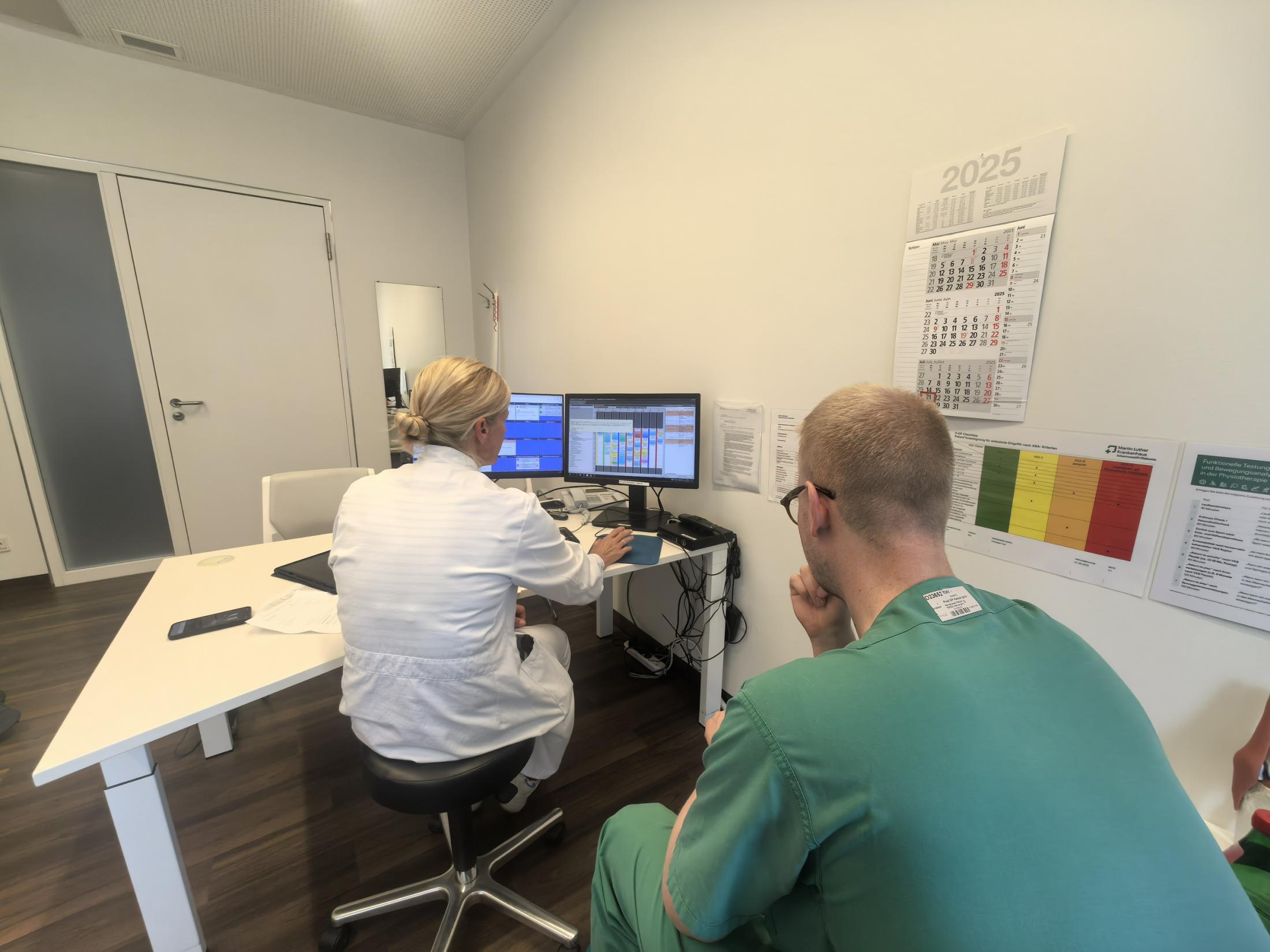
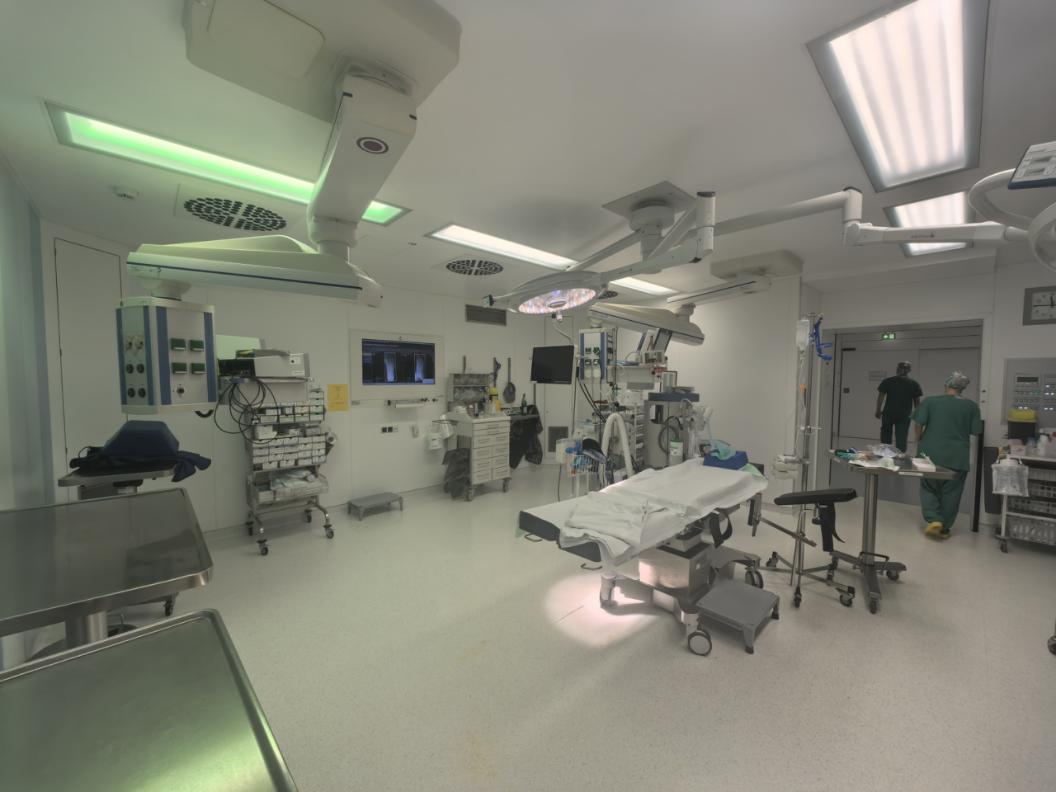
Yes, their doctors are really very responsible. In fact, they provide guidance to many Fellows from different countries-they all give supervision. Since the local doctors speak German, after communicating with patients, they will also translate into English for us, explaining exactly what kind of conversation just took place with the patient and what instructions were given. They also explain in English during surgeries, or after communicating with patients in the outpatient clinic, they will again explain to us in English. So the communication time is relatively long. They are very patient, switching between languages to communicate with you, making sure you understand the details of their work. Their outpatient work is really quite demanding, I think. From around eight in the morning until four or five in the afternoon, they are continuously communicating with patients-explaining the condition, the surgical plan, the expected progression of the disease-basically with very little rest in between. I even saw a professor in the outpatient clinic who didn’t eat anything and didn’t even go to the restroom from the morning until the clinic ended. I found that really, really shocking.
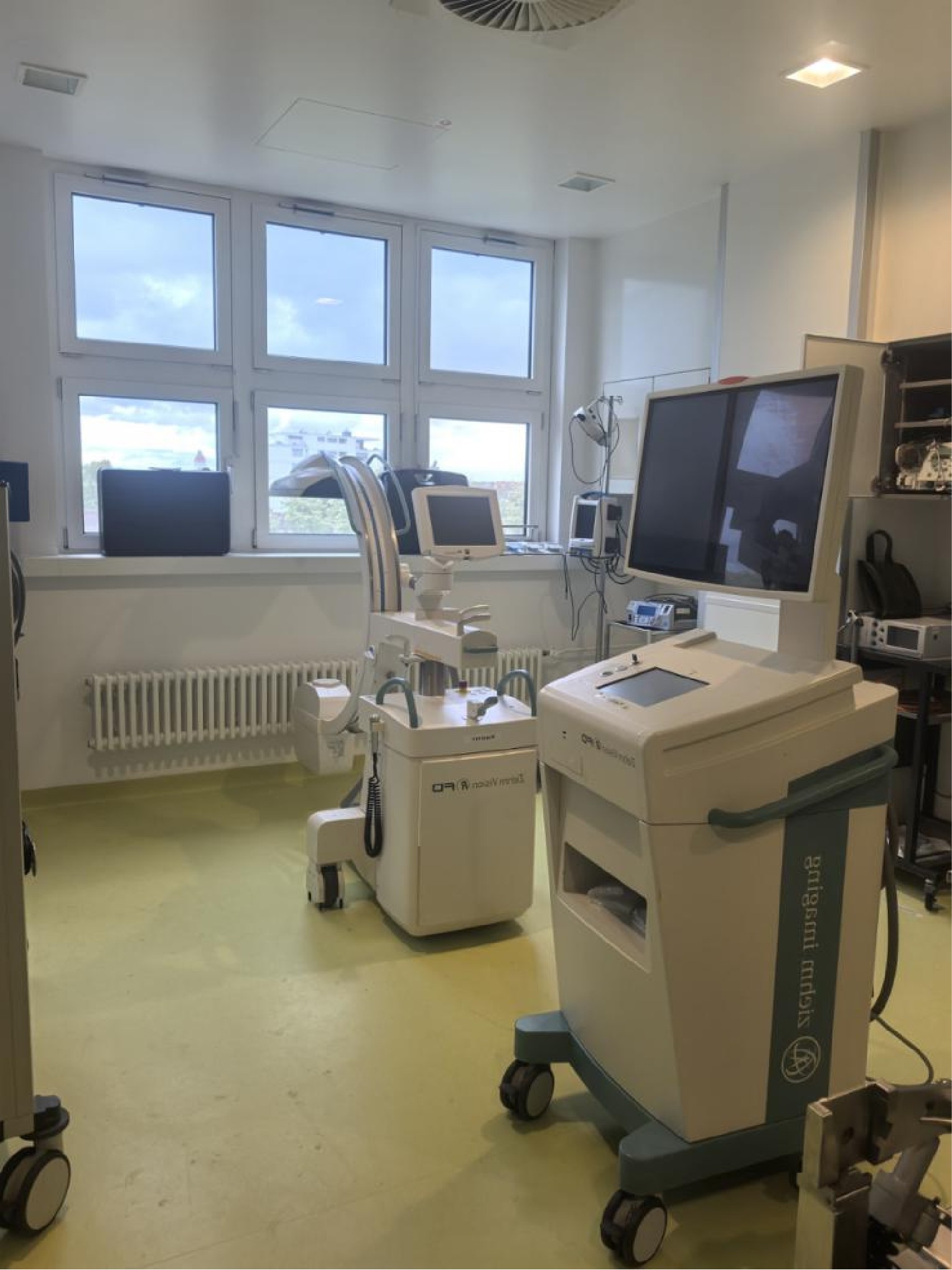
Their departmental structure in Germany is actually largely similar to ours, including the outpatient consultation rooms and the arrangements and equipment in the operating rooms. In fact, some of the instruments they use are basically exactly the same as ours. I even pointed at one of their monitors and said, “This is made in China,” and they were really surprised, saying it was a very good device. Actually, the technology of our medical equipment in China has really reached an internationally advanced level.
Another aspect is that I think their appointment system is really very well organized. Many of their patients have elective surgeries, and for these elective surgeries, they arrange everything one or two months in advance-such as which operating room the patient will be in, and the sequence of surgeries. Everything is fully scheduled. The patient only needs to come to the hospital at the time reminded by the nurse for the appropriate preoperative checks, and then they can proceed with the surgery according to the planned schedule. Everything is done step by step, following very detailed planning. In other words, every surgery is carefully prepared, and this is a very clear advantage of their appointment system.
I think there were definitely challenges, or difficulties, because, after all, it’s a different culture. The first one is language. Many people might wonder whether they need to speak German when going there. Actually, their English level is quite high, because they are exposed to English from a very young age. Also, since German is a Germanic language, relatively speaking, they can grasp English more easily. So most Germans can communicate with you quite fluently in English. If there are really some people who speak only German, or some patients who don’t speak English, we can use translation software, which at least allows us to understand roughly what they are saying. So in terms of communication, this issue can basically be resolved. As for daily life or cultural aspects, of course, everyone’s living habits are different, and their work habits or ways of thinking are different. But through some communication, people can understand each other, and I think this kind of difficulty can also be overcome.
They were all very, very friendly. Actually, I feel that most of my colleagues were generally very warm-they would greet you enthusiastically and patiently explain why a certain process is done in a particular way, and why it is necessary. They really didn’t get tired of explaining the advantages and disadvantages of doing things this way. They would also ask you how things are done in your country, and what potential problems or advantages your approach might have. I actually think there isn’t an absolute right or wrong, because some surgical methods or concepts are not really “good” or “bad”; it’s just that everyone has a different understanding of the disease. So I feel that their level of tolerance is quite high. Sometimes, even if there’s a small mistake, they consider it understandable, within a normal range. After all, everyone makes mistakes. I think it’s a country with a very good sense of tolerance.
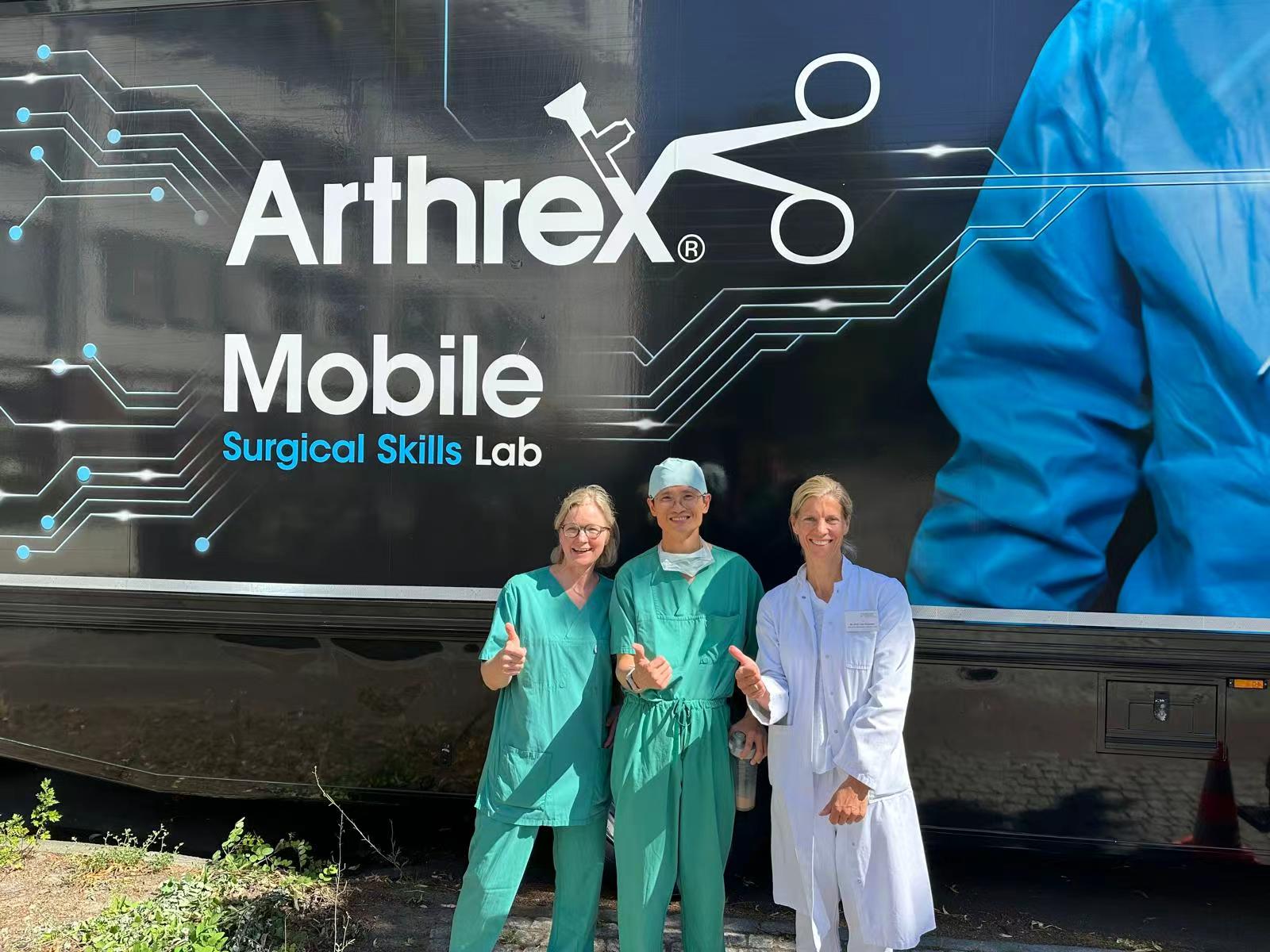
Because Martin Luther Hospital, although it is a university hospital, is not located on the main university campus, relatively speaking, their research is mainly focused on clinical studies, and basic research is comparatively less. In terms of clinical research, I would discuss our research directions together with professors. They would also give their suggestions or some new ideas. I also hope that we can carry out more in-depth collaborative research with them in the clinical field.
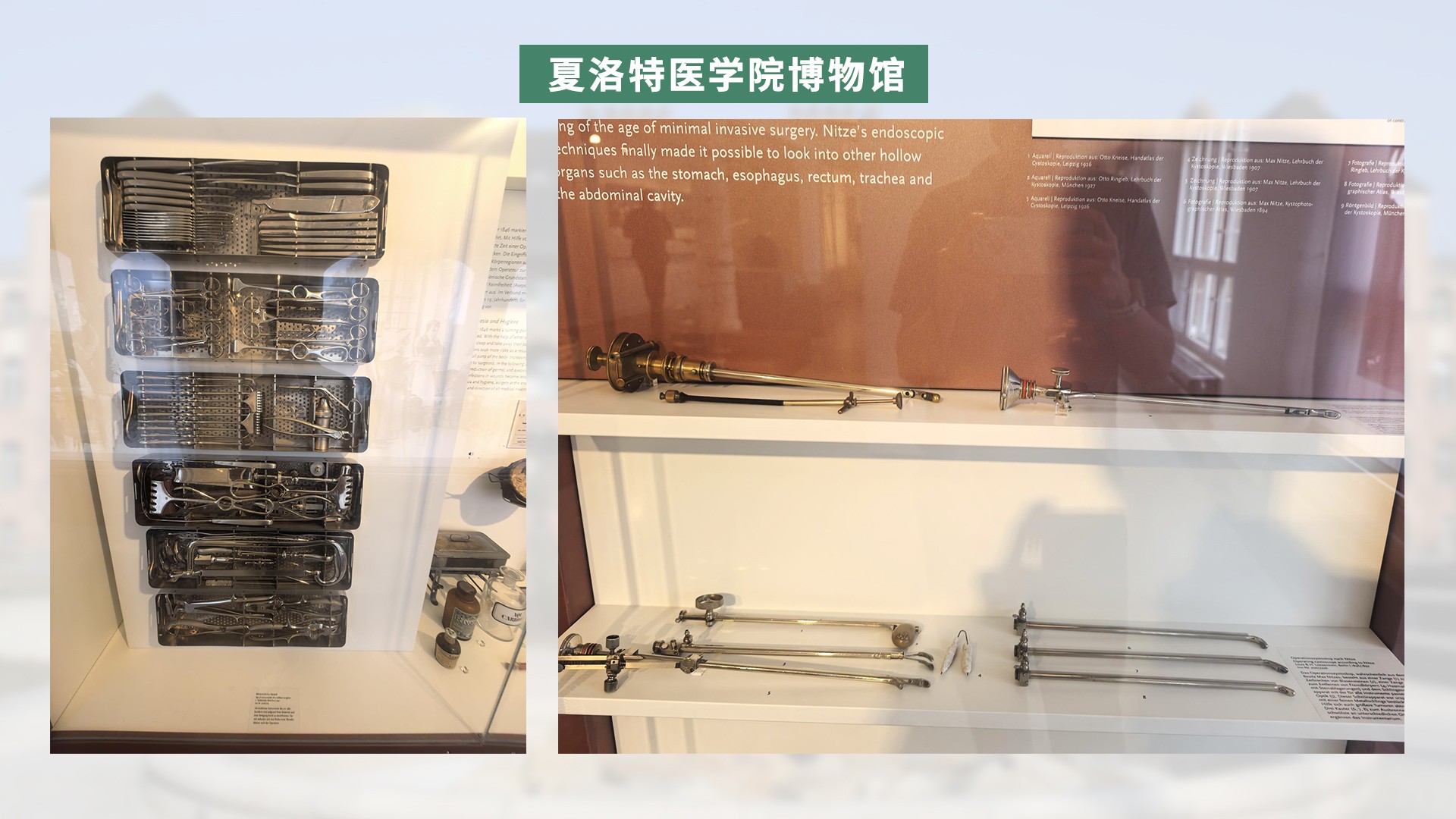
I think that, in general, the big direction is moving toward minimally invasive techniques. In our hospital, there are many minimally invasive surgeries for the foot and ankle. When I visited their university hospital, Charité – Universitätsmedizin Berlin, which is a very famous medical school, I learned that they invented the first laparoscope. So, for subsequent minimally invasive techniques, we have been learning from them. Although in some technical aspects our level is even higher than theirs, their concept is still to move as much as possible toward minimally invasive approaches, with less trauma and faster recovery. In this regard, their concepts might be more advanced. But in terms of technical skills, we may have certain advantages in some procedures. Nevertheless, I feel that in terms of philosophy and overall approach, their level is more advanced.
Actually, this happens quite often. The doctor who worked with me in the surgeries was also very surprised. He felt that, even though our two countries are so far apart and our cultures are so different-there is such a big gap between Chinese and Western culture-the things we do are actually very similar. The surgical methods, the surgical concepts, they often overlap. We are really learning from each other, and the level of international exchange is quite high. So some of the advanced concepts or techniques we use now are basically not very different from theirs. Of course, in foot and ankle surgery, the fun, or what I feel is worth exploring, is that there isn’t a single “correct” way to handle things. We often have preoperative discussions about cases before surgery. During these discussions, we talk about different surgical approaches, share our own viewpoints, and explain why we choose to do things a certain way. Then everyone continues to discuss why it is done that way, what the advantages and disadvantages are, or what the benefits might be. I think this kind of discussion is more meaningful. Even in the outpatient clinic, we see many patients who have had different kinds of surgeries, and we discuss which approach might be more suitable for a particular patient. There is no absolute right or wrong. So the discussion process is actually quite interesting, and through it, you really learn a lot.
In Germany, I actually think the best way to relax is running. Berlin is a city that is really very suitable for exercise. The idea of regular physical activity is deeply rooted in the minds of the general public. In every park, there are table tennis tables, basketball courts, and the running tracks in the parks are very comfortable. They even have bike lanes throughout the city. Everyone does the sport they enjoy. For me, the best way to relax was basically running every day. In Berlin, you can explore the city on foot while running-measuring out each landmark, getting to know the culture of the city, and greeting people you pass by. I think all of this is a really enjoyable process.
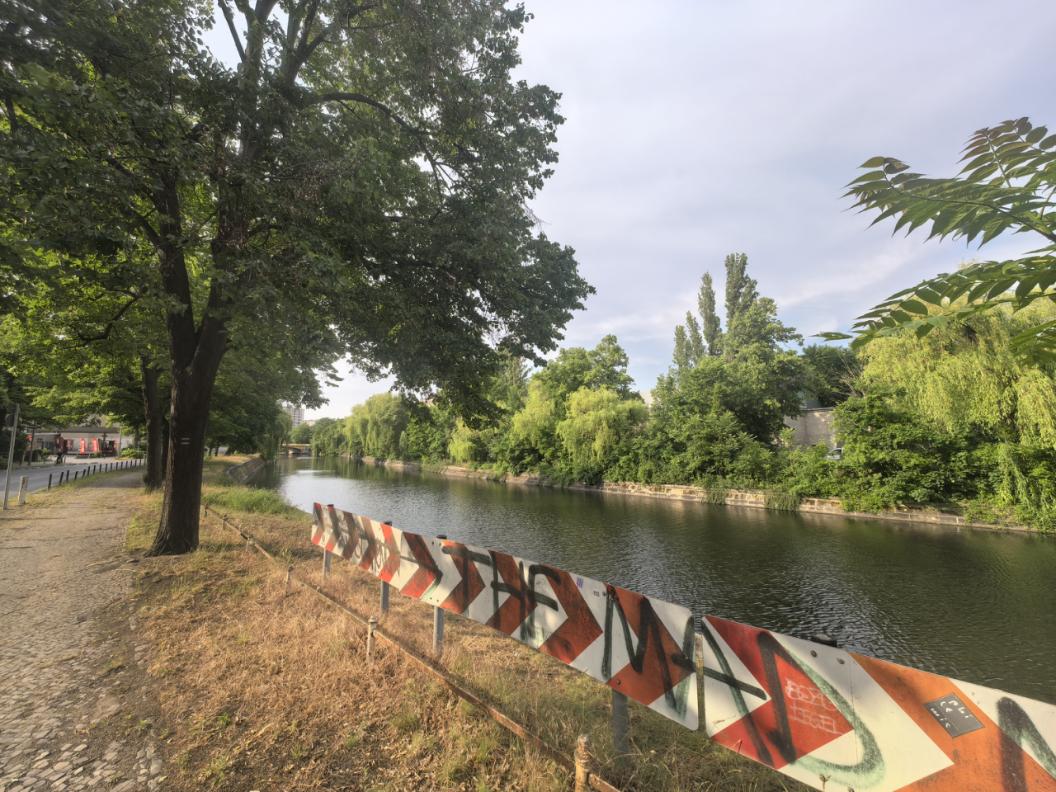
It is a very inclusive city, with a high tolerance for mistakes. It is also very friendly and a city that is definitely worth exploring more deeply to understand German culture.
Indeed, I think that, as a German doctor-or a doctor in Germany-when they reach a higher position, they also take on some management responsibilities. We had some exchanges and discussions with them about this. Regarding the training of young doctors, I think they are given more opportunities to perform procedures, and their training system is actually quite different from ours in China. If they are clinical doctors, especially surgeons, they get more hands-on opportunities, and they are always supervised by more senior doctors. In this regard, we really need to learn from them in clinical teaching. As for talent development more broadly, even experienced doctors will go to different hospitals to learn, exchange ideas, and absorb the strengths of various hospitals. So I think our doctors, in addition to training within China, can also go to different or more distant places to learn and exchange experiences. This would greatly broaden their perspectives.
Actually, their system does not allow hospitals to require overtime. This is more of a systemic issue. I think the busyness of Chinese doctors is also related to certain institutional factors. If the system could really be well balanced and properly regulated, no one would be willing to work overtime, and doctors’ work efficiency would probably be higher. But for now, this is not something that can be easily changed. That said, they also have busy periods. When they are busy, they relieve work pressure through exercise, rest, or taking holidays and vacations. They do quite well in this aspect, especially because institutional support and regulations make it easier for them to do so. However, Chinese doctors tend to be under more pressure, and the doctor-patient relationship can be more tense, which increases doctors’ stress. In Germany, the doctor–patient relationship is actually very relaxed and very good. Patients have a high level of understanding toward doctors. With the protection of the system, even if a patient may need two or three surgeries and the disease is still not cured, the patient generally will not complain that the doctor handled it poorly. Instead, they would say that the doctor did their best, and they would be grateful to the doctor. Of course, if the disease is not cured, they will continue treatment. So the relationship is relatively pure, and there are not many situations of mutual complaints.
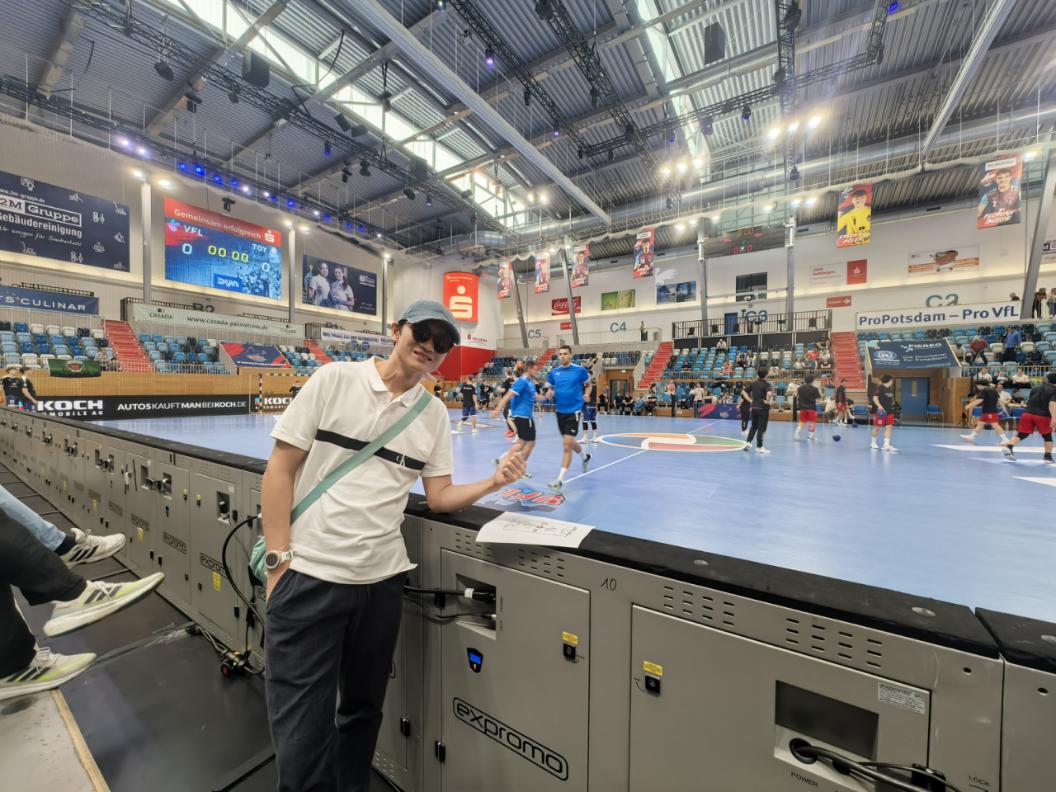
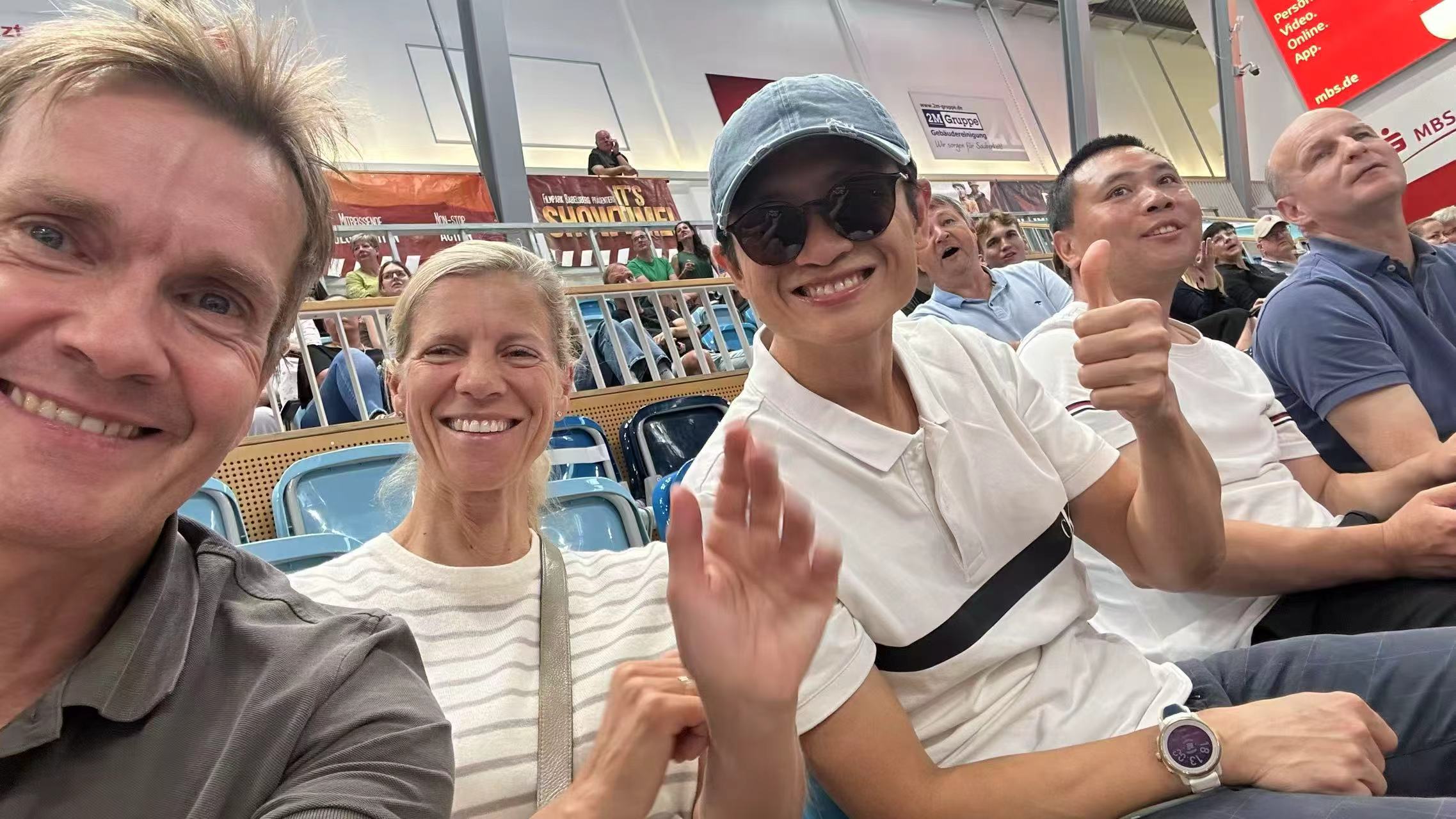
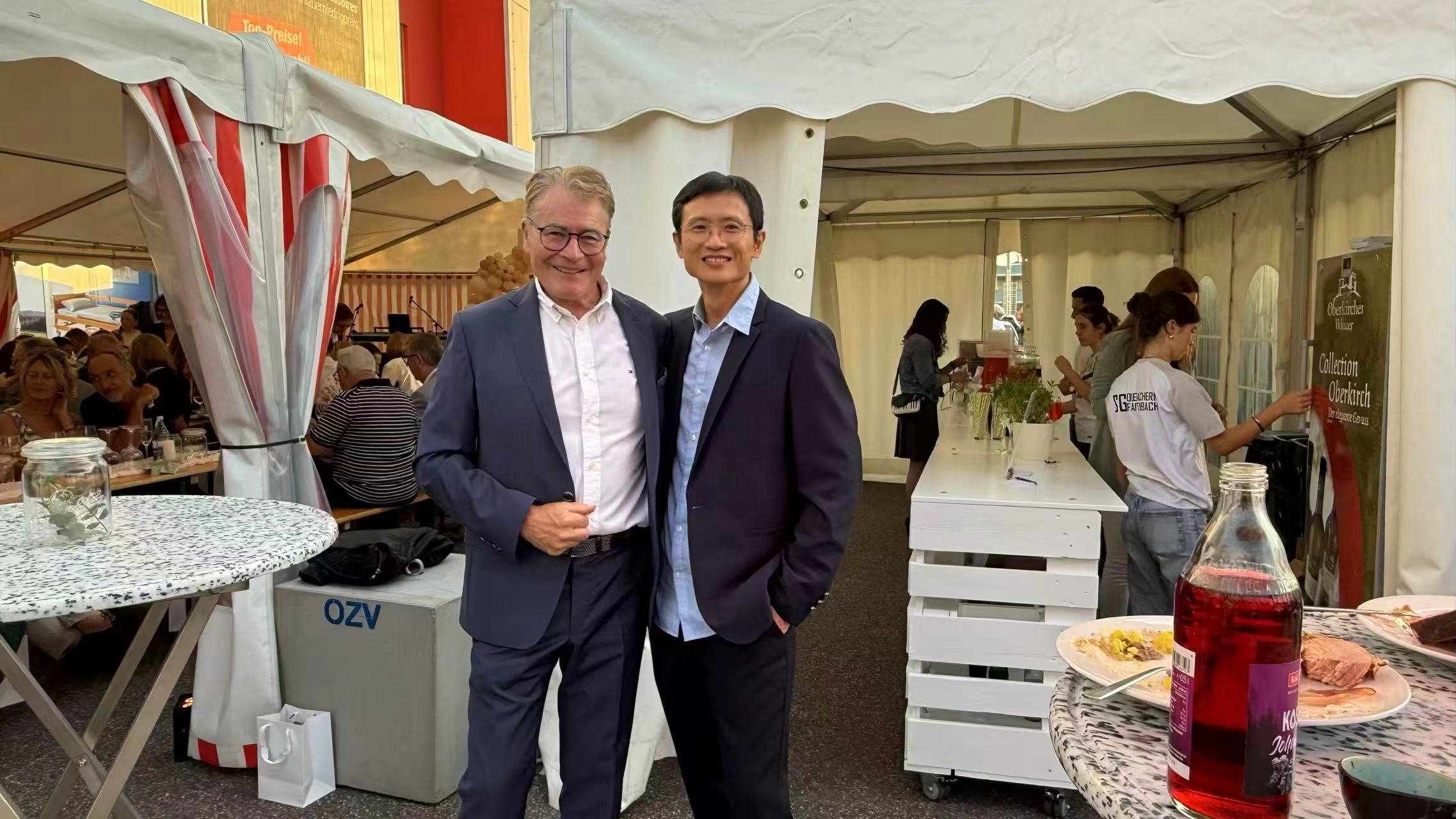
They place great importance on research because they also summarize their own patient cases and follow up with their patients. It’s just that, in terms of basic laboratory research, they tend to do relatively less. However, in clinical research, they attach the same level of importance. They spend a lot of time reading literature, conducting disease follow-ups, and analyzing data. They also carry out very long-term follow-ups for their own patients. In this regard, I think their research work is very rigorous.
Actually, for patients, there will always be some inconvenience, but doctors will use different ways to encourage patients to come back for follow-ups. They will explain that follow-up visits are necessary to better understand the patient’s further condition. So in terms of cooperation, German patients tend to better understand the importance of follow-up and are more willing to cooperate. Of course, transportation is also one factor. Their transportation system is relatively more convenient, which makes it easier for them to attend follow-up visits. I think sometimes they also conduct follow-ups by telephone, and patients are generally able to accept that.
Regarding telemedicine, I didn’t see them doing a lot of work specifically in that area during my time in Germany. However, their network infrastructure is very well developed. They hold many online meetings, and sometimes they even conduct ward discussions together with other hospitals. Generally speaking, their use of telemedicine is quite high, including communication and exchanges between different hospitals, as well as academic exchanges. After all, sometimes visiting each other in person or gathering in one place would involve higher costs and time expenditure, so they tend to use more convenient ways to solve these issues.
I would say it far exceeded my own expectations. Being in Berlin, I felt a very strong cultural atmosphere, and it also gave me a sense of the Germans’ different way of thinking and their lifestyle. I think there are many aspects that we can learn from or take as reference. Of course, Chinese and Western cultures are different, and it’s not about copying everything directly. But experiencing a different way of thinking allows you to see things from another perspective, which greatly broadens our horizons.
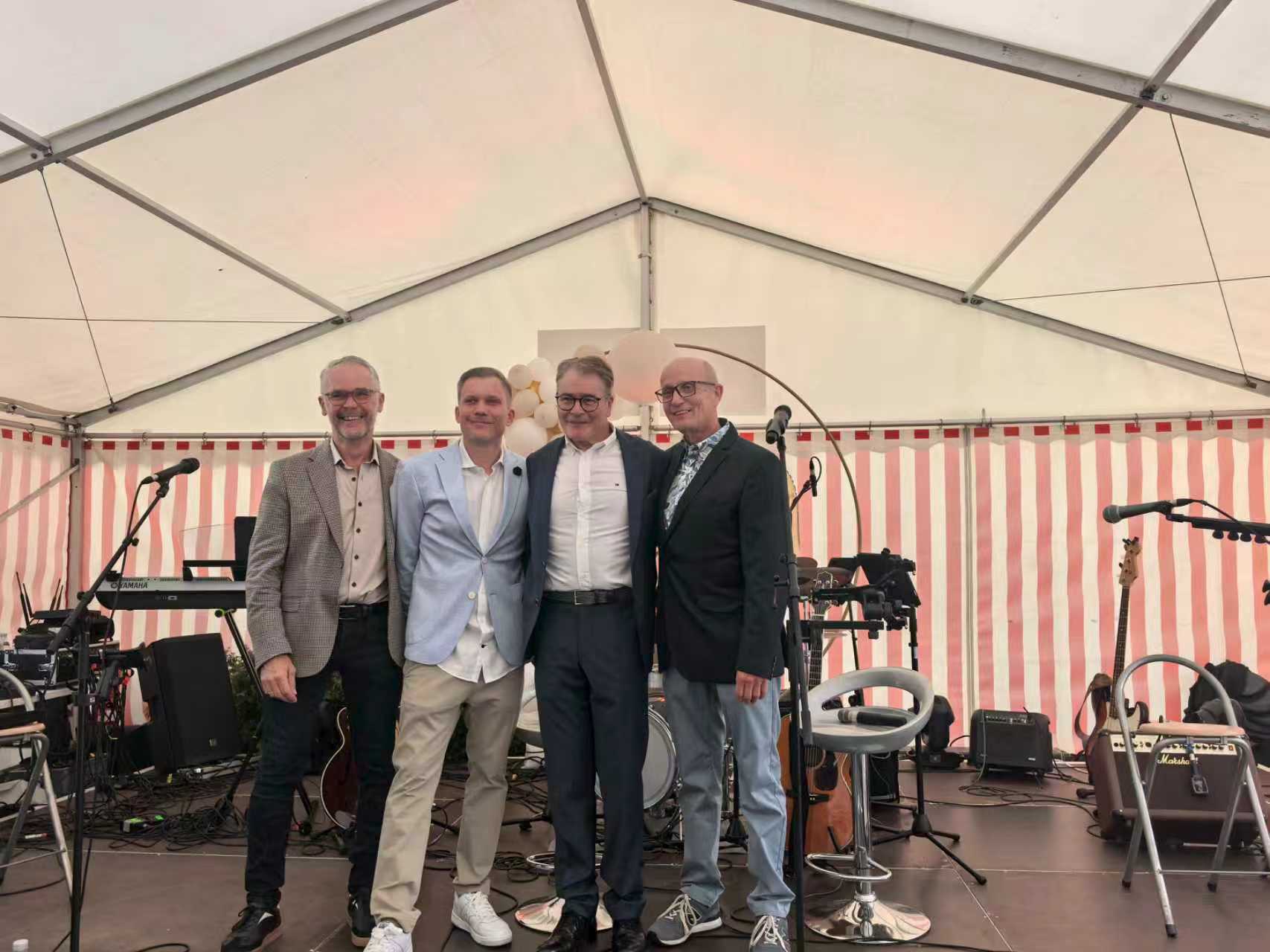
Actually, as I mentioned earlier, every doctor’s growth involves experiencing many things and seeing more of the world. To give an analogy: imagine a cup. You might see that one side has a pattern, and I see that another side has some text. But neither of us can fully describe the cup’s overall state. We need to look at it from different angles to understand its different aspects. So there is no absolute right or wrong. When you view something from different perspectives, you increase your understanding of it. This is my advice not only to young doctors, but also to senior doctors or leaders when they go abroad for fellowships. What you learn may not necessarily be technical skills-it could be management or other aspects-but in any case, what you see breaks through the limitations of your original way of thinking. By observing and learning continuously, you can truly understand a situation, rather than rigidly interpreting it with your current knowledge or mindset. So I still hope that everyone, if they have the opportunity, goes out more, explores, and learns about different cultures and countries.
I would like to sincerely thank the team of Gloryren for their support and help during my fellowship abroad. I am also very grateful for this interview, which gave me the opportunity to share some of my experiences. I believe that every experience or sharing like this provides valuable insights into going abroad or participating in fellowships. Everyone may have different impressions, but these impressions genuinely contribute greatly to the medical field. Through studying abroad and continuously gaining new experiences, people often develop different ideas and perspectives. These experiences help everyone to reevaluate and better understand themselves, both in their clinical practice and in life. It is truly a very valuable experience. Thank you.