-
News & Events


Moderating Chairs:Prof. SHEN Jie, Prof. Bornstein
Panel Members: Prof. Ll Aimin, Prof. Machens, Prof. Wiltfang
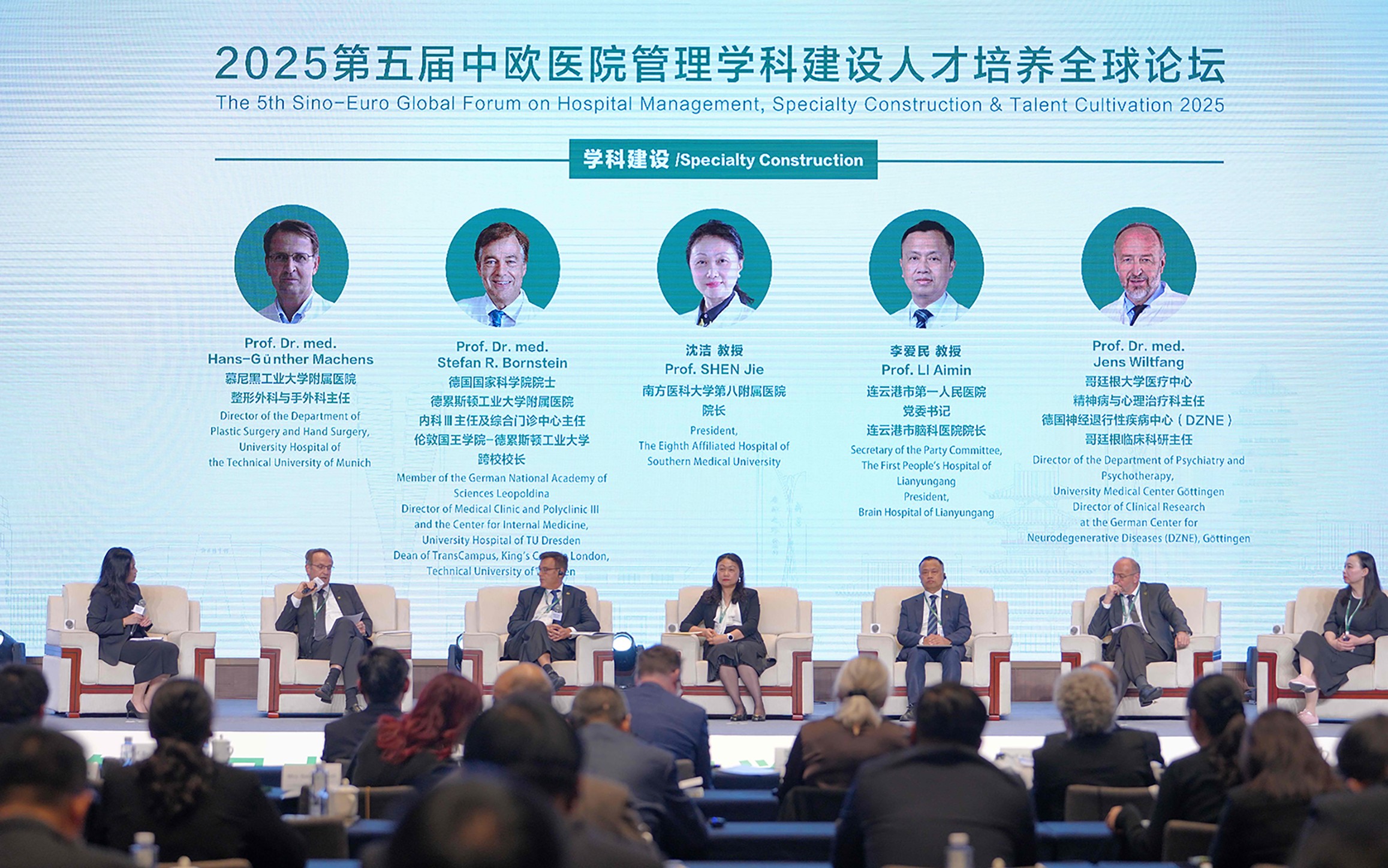
3. When planning specialty development, how can hospitals balance meeting local healthcare needs with pursuing cutting-edge International technologies?
Prof. Bornstein: Yeah, thank you. Again, I don't think it has to be a contradiction by itself because sometimes you have local healthcare needs. Depending also where the hospitals are located, there may be a certain group of more elderly patients, a group of more obese patients, and there may also be certain diseases in certain regions. And if you have that and if you have a specialist already in your hospital that could be possibly a star in the field, then use this asset and try to develop this to specialty. And with today’s accessibility of modern technology, it could also become cutting-edge and even leading in the field. So we had examples of that where we had a high level of patients in our area with metabolic syndrome and also genetic lipid disorders and we started, for example, for that lipid apheresis center with one expert who worked on that for many years, becoming the world's largest center in the region, and it's not absolutely related to a university center. Something like this can be done in larger specialty hospitals.
Prof. SHEN Jie: First, we should conduct a comprehensive disciplinary assessment to review and streamline our existing departments. We completed such a comprehensive assessment just two weeks ago. On the one hand, this allows for tiered management, with disciplines classified according to their level of capacity and expertise. On the other hand, it encourages mutual learning and exchange among different disciplines.
Secondly, regarding international technology, we need to send our doctors abroad for training in line with our own development priorities. In China, there is a popular term that refers to high-quality development as “new quality productive forces.” Productivity is generally understood to consist of three elements: the labor force, the objects of labor, and the tools of labor. Within the framework of new quality productive forces, innovation in the tool of labor refers precisely to learning from the most advanced international technologies and practices. My former partner, HU Haiyuan, the Party Secretary, was very supportive of cultivating international talent. Even during the pandemic, he insisted on sending three experts abroad. The first group consisted of surgeons, as surgical disciplines require exposure to cutting-edge techniques. Among the three who returned, two later became department heads, and one of them is present here today. He has since established a regular annual exchange with his mentor, who has also authorized him to translate one of his books. I believe this example illustrates how we can balance the local healthcare demand with the acquisition and integration of advanced international technologies.
Prof. LI Aimin: I don’t think these two aspects are contradictory. First, addressing the local need is the foundation for the survival and development of municipal-level hospitals. It is also the basis for improving our overall capabilities, particularly our capacity to adopt internationally advanced technologies. Without a solid technical foundation, there is no point in discussing the acquisition of advanced international technologies. Such technologies must be our long-term goal, because it is simply unrealistic for hospital departments to rely on outdated techniques instead of pursuing development.
Second, different hospitals and departments should act according to their own strengths and circumstances, being clear about what they should focus on and what they should not pursue. The hospital should set clear goals for each department, specifying which internationally advanced technology should be mastered within a defined time frame--especially in advantageous and key departments. Equally important is time-based learning. Our experience shows that sending only one or two individuals for training is insufficient. It must be a team learning process. Only when team members return and cooperate with each other can we fully master these advanced technologies.
Prof. Machens: Thank you. I think at least five things are necessary here. First, it needs driven innovation should guide investment. Technologies must address the most pressing regional challenges, be it musculoskeletal disorders, cardiovascular disease or regenerative therapies, ensuring that innovation directly improves patient outcomes where demand is greatest.And second, context adaptation is essential. Advanced technologies should be localized, simplified, cost optimized and embedded within an existing infrastructure. This prevents dependence on external systems and creates sustainable progress rather than symbolic modernization. And third, hospitals should emphasize capacity building over dependency. Partnerships with international centers should prioritize training, mentorship and knowledge transfer. This transforms global collaboration into long term local expertise. And fourth, dual pathway development can combine innovation with accessibility. One track focused on advancing third level high-tech care for academic and research excellence, and another ensuring essential, high quality services for the broader population. The synergy between both enhances overall system resilience. And finally, ethical and economic responsibility must frame every technological adoption. The goal is equitable access advancing healthcare quality without widening disparities between tertiary and community settings. So, in essence, the true measure of a hospital's advancement lies not in how many global technologies it acquires, but in how effectively it translates innovation into locally meaningful and sustainable patient care. Thank you.
Prof. Wiltfang: Yes, as discussed before, again, I would like to kind of exemplify the bird’s eye perspective presented by Prof. Machens by a use case. So, as many of you will know, since May this year, you can base your decision to infuse monoclonal antibodies against AD just on a biomarker result, in blood. So in Europe, we think, at least in Germany, this is a little bit premature without binding appropriate use criteria. For example, if the patient is really not in the fasting state, you have a strong bias. Renal insufficiency is a bias for phospho-tau levels, etc. I will not detail this. So to come back to the use case, this means that advanced technology, advanced achievement before this can be rolled out and used in a large population of patients, it’s very important that we have a strong cooperation between specific research sites and other institutions, then really checking precise SOPs, guidelines of appropriate use criteria. And this is a nice example for really efficient cooperation between specialized centers and non-specialized centers to really check if these biased factors are adequately controlled.
Ms. PENG Jianping: During the pandemic, the Affiliated Hospital of Zunyi Medical University decided to establish a Department of Orthopedic Oncology. Back then, the Director of the Orthopedics Department told me that although they intended to develop this specialty, they lacked relevant experience. As a result, they asked Doctor WANG Chong to take the lead and start building the department on his own.
Later on, I met with the director and introduced Prof. Boriani from the Rizzoli Orthopaedic Institute to their team. During the pandemic, we arranged an online meeting in which Prof. Boriani presented the entire diagnosis and treatment model for orthopedic oncology. The meeting lasted for two hours, and the model was so well-structured and clearly designed that, even as someone without a medical background, I felt I could understand how patients should be managed.
From that point on, orthopedic oncology surgeries could be performed at the Affiliated Hospital of Zunyi Medical University. Doctor WANG Chong, who is also present here today, now performs around 100 surgeries per year. There was a patient with a spinal tumor that left a deep impression on me. When I first saw that case, I was deeply shocked by the severity of the condition, as the entire back was extensively involved. Doctor WANG Chong successfully completed the surgery, and it is remarkable that he is only in his thirties.
Moderating Chairs: Prof. ZHAO Mingyu, Prof. Lehmann
Panel Members: Prof. LI Xugui, Prof. HUANG Wanxin, Prof. Rohde

1. How can we help young doctors rediscover their professional sense of purpose under high-pressure working condition?
Prof. ZHAO Mingyu: Talent cultivation is the vital driving force for a hospital’s growth. Cultivating high-quality medical professionals with social responsibility, innovative thinking, and international vision is essential for strong and sustainable development. Currently, young doctors face tremendous occupational pressure, and patient complaints pose significant challenges. Many young doctors struggle with communication and patient interaction, which makes them vulnerable to complaints. Therefore, providing proper education, especially communication skills training, is an extremely important part of talent cultivation.
Prof. Lehmann: Yes, thank you for the question. First of all, I hope that our young doctors will never lose their sense of purpose. Over in the last couple of years, or, in fact, the last twenty years, we have seen a dramatic change in the workload in hospitals. In former times we spent much more time in the hospital. It was normal to be on call for 36 hours. Today, because of the working-hour law, young doctors are not allowed to stay more than twelve hours in the hospital. However, when I was young and being trained, the time that I spent on administration tasks was very low. Today, the young doctors have to work a lot and do a lot of administration, and this is a risk to their motivation and sense of purpose. I believe the most important factor is that, as the chair of a department, you must be a role model. If you yourself remain enthusiastic about what you do, you will set a good example for young doctors.
Prof. LI Xugui: A sense of professional mission is a complex system influenced by multiple factors. First, we need to understand what “high-pressure environment” truly means. One factor is the sense of value attached to our profession—specifically, how doctors gain social recognition, and how the public respects both medical professionals and the care we deliver. Another factor is the financial return associated with medical work. To some extent, economic reward reflects social status. Third, the pressure also comes from workload. Besides clinical duties, medical staff face heavy additional tasks such as medical documentation and doctor-patient communication.
To address these challenges, I believe we should start with professional belief—doctors must recognize the noble nature of saving lives and helping the sick, and society must also acknowledge and respect this. This should be emphasized in the training of medical students and young doctors. Second, the professional environment for medical practitioners requires joint efforts from the entire society. It is not merely a matter of us improving our fundamental diagnostic and treatment capabilities, as well as advancing medical technologies. Thirdly, we can boost the sense of professional worth among medical workers by implementing a diverse range of incentive policies.
Prof. HUANG Wanxin: Presidents and distinguished experts, as all of you have just mentioned, young doctors are faced with key challenges upon entering the workforce: role transition and long-term career development. When they first join the profession, they are assigned the most fundamental tasks in the department, such as patient management and medical record documentation, which involve heavy workloads. In terms of role transition, they must shift from being medical students to practicing physicians, and from theoretical learning to clinical application. Many of them are inexperienced in communication, find it difficult to handle doctor-patient relationships proficiently, and often face a significant gap between their ideals and the realities of the job. Coupled with their aspirations for future career growth, I believe we need to focus on two critical areas: support and development.
First, establish a comprehensive support system for young doctors. In healthcare institutions, this starts with institutional development. We should put in place positive incentive mechanisms to ensure that young doctors’ professional contributions and hard work are duly recognized. Second, we need to proactively create platforms for them to pursue their careers and build humanistic hospitals that incorporate compassionate care into daily management. We should leverage the role of trade unions as the "trusted advocate" for staff, providing holistic support that covers both professional and personal needs of young doctors. Our practical initiatives include organizing youth networking events, setting up psychological counseling services, and creating an environment that helps alleviate fatigue and relieve work-related stress.
Second, streamline clear career development pathways for young doctors. We need to improve the physician promotion system, encourage lifelong learning, and facilitate the mentorship model where senior physicians pass on their expertise and experience to junior colleagues. Young doctors are the future of our hospitals, and this training model will also lay a solid foundation for the sustainable development of healthcare institutions.
Prof. Rohde:First, thank you for the invitation. It's a very nice meeting and it has been very helpful and interesting for me.Yes, we have to cultivate the talents, but I truly believe that we must also protect them. As leaders, whether department directors or hospital directors, we should be aware of the high-pressure working conditions young doctors are facing. Therefore, we should not pack their entire workday with routine or sometimes boring tasks. We should provide them with interesting work. At the same time, we should offer breaks and spare moments for the young doctors - time to drink a cup of coffee or tea, to talk, and to relax. I truly believe that relaxation is closely linked to reflection. When people have the opportunity to reflect, they can think about their professional life, their goals, and the potential obstacles on the way to achieving those career goals. That's very important for me. I also believe that if we want to truly cultivate talents, we should sometimes send them away, not for a long time, but to interesting conferences, giving a break there, to training courses, or surgical workshops. There, they have the chance to discuss with masters and with a peer group. Through such discussion, especially when they compare experiences from their daily work, they have a fair chance to rediscover their sense of purpose and their professional identity.
Ms. PENG Jianping: Each year, around 5,000 physicians reach out to our company. We conduct online interviews with all of them, followed by in-person interviews with approximately 500 candidates. What shocks me deeply is that 90% of these doctors lack adequate resilience under pressure. In my view, such individuals are simply not suited for the medical profession. Recently, I read a book titled The Glory of Suffering by Prof. JIN Yinan from the China People's Liberation Army National Defence University. This book recounts the arduous journey of how the People’s Republic of China was founded over the past century. When our German professors visit China today, they marvel at the prosperity of cities like Shanghai and Beijing. Yet, every inch of this land we stand on is soaked with the blood of our revolutionary ancestors. After reading this book, I’ve come to realize that the difficulties I face now are trivial in comparison—they are not even worth mentioning as “hardships”. Therefore, every physician must uphold a national conviction. What is the purpose of being a doctor? It is to serve your patients wholeheartedly. What is the responsibility of a hospital president? It is to safeguard the health of the people in your city. What is the duty of administrative departments? It is to serve all medical workers, not to act in a condescending manner that forces doctors to beg for assistance. If each and every one of us embraces this national conviction, there will be no difficulty that we cannot overcome.
2. What experiences can be learned from the German medical education system in cultivating professionalism?
Prof. Lehmann:Yeah, thank you for that question. To be honest, and I'm sorry for that, I don't know too much about the Chinese system. I can share what I believe is very helpful in Germany. At the end of medical school, before young doctors officially start working, they complete an internship called the “Practical Year.” It provides a smooth transition into clinical work. During this year, they are not yet fully responsible for patients, but they start working on the wards and in the operating room. With strong mentorship, they gradually enter the real clinical world. This is the first thing. The other thing is related to the new working-hour law. Young doctors, especially in surgical departments, now have less time in the OR to learn. Therefore, we are developing more and more simulation programs. I think these will play a major role in the future, especially for young surgeons. Through virtual reality, simulation systems, and robotics, they can learn surgical techniques even though they spend less time in the OR. This is where I see the future of surgical training.
Prof. ZHAO Mingyu: First, young doctors must commit to lifelong learning. They should learn from senior physicians, study medical textbooks, and strive for continuous improvement. When treating a patient who shows better baseline conditions than the previous one, they should aim for more effective outcomes, seek greater professional fulfillment in their work, and never stop advancing their skills Second, we must prioritize patients at the core of our practice. Whenever we encounter difficulties, setbacks, or challenges, we should always keep our patients in mind and reflect on how to meet their needs. How can we address the needs of patients once they arrive at our hospital? I believe this developmental mindset is extremely beneficial for the growth of young doctors.
Prof. Rohde:First of all, we all know that learning is a lifelong process, so we can never stop developing ourselves. Looking at the German medical education system, I believe there are two periods in which we really can cultivate professionalism. The first period is during the medical studies at the university. Today, although not in all universities, several universities have introduced newly structured teaching system. In this system, theoretical learning is directly linked with practical work. I think this is very beneficial because it deepens the students’ knowledge and allows them to identify their fields of interest. They get a very clear understanding of what it really means to be a doctor, which is very important for cultivating professionalism. The second period is during the residency training. I believe that a structured annual interview with each resident is of utmost importance and contributes significantly to the development of professionalism. During these interviews, we discuss if the goals set in the previous year have been reached, and we set new goals for the future. We talk with the resident about their plans and how to shape their individual development. It's therefore important because it allows us to tailor the residency program to the specific needs of each trainee. It also helps us to identify the top performers whom we would like to retain in our department. Thank you.
Prof. LI Xugui: In fact, the growth journey of most Chinese doctors is quite a long one, as the training system for medical students in China differs somewhat from that of other countries. After graduating from high school, we pursue a five-year undergraduate program in medicine, followed by master’s and doctoral studies, as well as standardized residency training and specialist training. Upon graduation, we enter hospitals and undergo the residency period. I believe the growth of young doctors is a process of accumulating knowledge and experience over time to achieve sudden, remarkable progress. I hope all young doctors will make the most of their youth—when they are in good physical condition and have optimal bodily functions—to learn more medical knowledge, master clinical skills, and absorb diagnostic and treatment techniques, including doctor-patient communication skills, from seniors and experienced senior doctors. I am convinced that seizing these learning opportunities at a young age will greatly benefit their subsequent medical careers.
Prof. HUANG Wanxin: After hearing the insights from the experts, I am deeply touched. They all mentioned that the core requirement of our profession is meeting patients' needs, which should always come first. The German experts shared their experiences, providing a transition period for doctors and legal support to prevent young doctors from bearing too much responsibility. Our domestic experts are also highly concerned about the growth of young doctors. There are examples of successful doctor training from institutions like Zunyi Medical University and Southern Medical University. How could young doctors in our hospitals know that at this very moment, people are gathered here in our country to discuss their growth? We highly value the development of young doctors because they represent the future of hospitals. Although we have standardized training and specialized medical training in China, we tend to focus more on "utilizing doctors" than "training them." Training costs are high, so we often prefer to send doctors to advanced medical institutions for further study. Our doctors are so busy with patient care that they hardly have time to focus on improving their skills, getting trapped in a cycle that is hard to break. After listening to these insights, I believe we now need to find ways to resolve these issues, and significant progress in talent cultivation will surely follow.
Ms. PENG Jianping: In 2004, I went to Germany and visited 68 university-affiliated hospitals and international hospital groups. Almost every hospital and department had its own laboratory, with a lab director overseeing various research teams. When hiring a doctor, the head would look at the doctor’s area of interest and develop a plan based on that. Once the plan is made, they would discuss it with the team to execute it properly. I think this approach is excellent.
3. How young doctors be trained to build psychological resilience in when facing medical disputes?
Prof. ZHAO Mingyu: First, I think young doctors should also have role models to learn from—some are teachers around them, and some are the spiritual leaders of major hospitals in our country. These role models play a very powerful role in our learning. Second, as managers, hospitals must face setbacks together with our doctors. When setbacks occur, we should not fear them, but actively confront and address all the challenges and difficulties during our development and growth, growing together. Third, I believe that ultimately, we need to enhance our doctors' sense of mission. External factors must eventually work through internal factors, truly empowering our doctors to face everything.
Prof. Lehmann: To be honest, there is a gap in Germany in the education system. Young doctors do not receive sufficient training in this area. Early training in communication, mentoring programs, self-care, and structured reflection should be introduced, especially during university education, where much more can be done. In the clinical setting, I believe the most important measure is to make effective use of our mentoring programs. Young doctors have the chance to regularly communicate with their attendings or consultants, which helps them feel supported and safe when facing these challenges.
Prof. LI Xugui: In my view, first and foremost, every medical institution, hospital, and even department must establish a set of standardized clinical diagnosis and treatment processes, including a standardized procedure for handling medical disputes. Our ultimate goal is to reduce the occurrence of such disputes. Second, we need to improve the training system throughout physicians’ careers. There should be a comprehensive training framework covering basic medical knowledge, clinical diagnosis and treatment, and the transition from theoretical learning to practical application. Third, medical disputes are not something to be feared. As doctors, our duty is to heal the wounded and rescue the dying—but we are not saviors, nor are we omnipotent. We cannot cure every disease. Healing the wounded and rescue the dying is our most important responsibility. This is a truth that requires mutual understanding between doctors and patients, as well as recognition from society at large. In China, there is a common misconception that “when I am sick and come to the hospital, you must cure me.” Transforming this mindset requires the joint efforts of the entire society. Fourth, I have always believed that physicians need to maintain not only physical health but also mental well-being. To build strong psychological resilience, we need a positive work environment, a supportive family environment, and harmonious relationships with colleagues and team members. Furthermore, although our profession is dedicated to healing the wounded and rescuing the dying, we are also members of society. Beyond work hours, having hobbies can help alleviate work pressure. We should strive to prioritize patients during work hours and allocate more time to family and friends during our personal time.
Prof. HUANG Wanxin: I believe psychological resilience is closely linked to cognitive experience. First and foremost, we must enhance professional confidence—technical proficiency is undoubtedly the foundation, and only when combined with professional confidence can we provide quality care to patients. This is the fundamental requirement. Without solid treatment outcomes, even strong psychological resilience will not help one face adverse results without guilt—this is beyond doubt. Second, we need to strengthen communication skills. For young doctors, developing these skills takes a long time. For institutions, however, the responsibility lies in providing personalized psychological support. Each young physician’s mental growth while caring for patients requires us to correct any biased perspectives they may hold. We hope that within the collective and the institution, they can continuously grow, reconstruct their personal cognition, and improve their adaptability. This becomes increasingly important as they gain more work experience and deepen their understanding of diseases and society as a whole. Psychological resilience is not innate toughness; rather, it is a professional competency that gradually forms through personal cultivation as a physician. Therefore, we also hope that through continuous training and growth, young doctors will ultimately become more steady and mature healers.
Prof. Rohde: When we talk about medical disputes, I'm not quite sure if we should stiell have such disputes at all. Today we have extensive literature, a high level of evidence, and substantial medical knowledge. Ideally, there should be no disputes, but we should, in the ideal world, only follow the evidence in diagnosis and therapy. However, we're not living in an ideal world. To build resilience, I would say that being more knowledgeable in a dispute makes you more resilient amd more likely to win this discussion. But in my experience, medical disputes are not the main issue; rather, it is the personal conflicts that are challenging and require resilience from trainees. I believe some doctors naturally have high social intelligence and are resilient per se, and they may not need additional training. But there are also doctors with lower social capability in handling conflicts. This group, in particular, should receive training, and ideally this is provided by external experts rather than within the department or hospital.
Ms. PENG Jianping: The founder of Gloryren is world-renowned minimally invasive spine surgery master Michael Mayer—without him, this company would not exist. I once asked him, as a surgeon, what he believed was the most important quality. A legendary figure in global spine surgery, he has performed operations for numerous celebrities, including Mikhail Gorbachev, Hosni Mubarak, and King Abdullah of Saudi Arabia. When I posed this question, he told me that as one of the world’s preeminent doctors, his stress resilience is unparalleled, and his willpower is irreplaceable by anyone else.
Through our interactions with many young doctors, we have found that they often feel overwhelmed when facing difficulties. However, from a philosophical perspective, every problem can be solved, and everything can move toward the best possible outcome. If a problem remains unsolved, it is simply because the time for the optimal solution has not yet come—so there is no need to rush. This is the first point.
Second, if a conflict arises with a patient, you must always present Plan B, or even Plan C. Patients come to the hospital to seek medical treatment, not to cause trouble. We conduct research with tens of thousands of patients every year, and our findings show that the vast majority of patients are reasonable, and ordinary people are inherently amicable. However, you need to be extra cautious with top-tier wealthy patients. Driven by a consumer mindset, they often believe that since they have spent a large sum of money, they are entitled to a specific outcome, and they will not listen to reason. Ordinary people, on the other hand, are different. As long as you tell them, “I have done my best, and I have prepared Plan B and Plan C for you,” they will be understanding.
When I was in Beijing, President WU Xinbao of Beijing Jishuitan Hospital shared a story with me: he once treated an elderly rickshaw puller, who was in a very difficult situation. President Wu explained Plan B and Plan C to him in detail, and the elderly man accepted both fully. After hearing this story, I realized that ordinary people are actually very easy to communicate with. You must sincerely and openly share all available options with them—with genuine care, any problem can be resolved.
4. With the prevalent issue of burnout among young doctors, should hospitals incorporate mental health support into their talent training systems?
Prof. Lehmann: Yeah, thank you for that question. I believe that, yes, mental health support should definitely be incorporated into the hospital system. Even though we now have the working-hour law that prevents young doctors from working more than 12 consecutive hours, the intensity of their work has increased a lot in the last years. In my department, for example,we have only a a few doctors remain on the ward while most others are in the OR. The number of patients they have to treat every day continues to rise, and we have an increasing number of outpatients as well.
And so, when the intensity goes so high, there is a high risk for burnout. As Prof. Rohde said at the very beginning, we have to give young doctors some time to rest. This is probably the most important thing to avoid burnout. In addition, having a supportive team, working closely together, and maintaining a strong mentoring program are essential strategies to avoid burnout.
Prof. HUANG Wanxin: In the past, our country has long advocated the principle of “unity, diligence, earnestness, and liveliness” —meaning that everyone’s work should have a balanced rhythm of tension and relaxation. Therefore, it is crucial to foster mental health and enhance psychological resilience in accordance with humanistic principles. First, we must adhere to the requirements of the evolving medical models. The development of medical models has undergone constant transformation: from the earliest animistic model and natural philosophical model, to the mechanical medical model and biomedical model, and finally to the bio-psycho-social model. In this context, every doctor must strengthen their psychological resilience to adapt to their profession, meet the needs of patients in different eras, and apply technological advancements to diverse patient groups. I believe all experts here have personal insights into this. Furthermore, for individual doctors, who face a high risk of mental health issues, it is equally important to improve their psychological resilience. Finally, it is essential for hospitals to prioritize the psychological well-being of doctors, especially the psychological growth of young doctors. As mentioned earlier in the discussion on talent cultivation, psychological development is also one of the most important initiatives.
Prof. Pohde: We all know the main causes of burnout: the daily intense workload. We're giving responsibilities to doctors, and we are not always sure if they are ready to take over the responsibilities. This creates psychological stress, which is harmful. I would propose that we try to look closely at the underlying causes of burnout or fatigue among doctors. We should aim to reduce the intensity of their work by removing or minimizing administrative tasks and giving them to other personnel.
We should also communicate with residents or trainees to see if they are truly prepared to take over the responsibility. If they're not, we have to train them longer. This helps reduce psychological stress and I think that's a good way to avoid burnout. Regarding the question of whether we should implement a system, I would propose a simple screening tool. For example, it would be very easy to distribute annually a small questionnaire with some questions to be answered by the residents, for early indication of upcoming burnout. I think this would be a good idea.
5. How to establish a comprehensive internal training systems instead of relying solely on the recruitment of external talents?
Prof. ZHAO Mingyu: For a hospital's development, it truly depends on having a well-established internal system that cultivates real talent. At the same time, there must be a strong sense of mission, a mission to contribute to the hospital's development. I believe this is a very important aspect. Having strong stress resistance is a crucial path in a hospital's training system and talent cultivation.
Prof. Lehmann: Yes, thank you for that question. I have to admit that we have not always had good experiences when recruiting people externally. We have what I would call a “school of surgery” that we stand for, with specific quality standards that we try to maintain. When a specialist joins us who has not been trained in Göttingen, they may approach procedures in a different way. This can sometimes be difficult and may also create problems within the team. I always prefer to cultivate our own talents. When I feel that we lack certain expertise, I would rather send some of our young consultants elsewhere for several months or one to two years to learn that wecannot yet offer. Then, when they comes back, having been originally trained in our hospital, they can introduce the new methods or techniques into our clinic. For me, this is the best approach. For all procedures originally developed or practiced in Göttingen, we have a standardized program. Annually, I talk to every resident and every consultant to develop an individualized training plan for the coming years. We review this annually, with a written protocol, including the operations they have performed. Based on this, we determine which subspeciality they should pursue. Until now, we have always been able to staff all different subspecialties for orthopedics and trauma with our own colleagues.
Prof. LI Xugui: A hospital is a team, and the spirit of the team is very important. A team needs a leader in the field, but not every person in the team has to be the strongest. Each team member has their own role and tasks. For the survival and development of the hospital, in addition to focusing on training, the hospital must have its core competitiveness, meaning it must have specialized departments and unique diagnostic techniques. Bringing in external talent can have some motivating effects, but it must be analyzed according to the actual situation. For example, if a certain specialty in our hospital is underdeveloped, we need to quickly bring in an expert with rich clinical experience or a well-respected academic in that field. The key is how to make the introduced person effective. Can they lead our whole team? These two aspects need to be combined. For example, Chinese football has often been criticized by the public. We’ve hired German coaches, and even coaches from other countries, investing a lot of time and effort, but our football results still aren't ideal. The question is how these foreign coaches adapt to local conditions. Coming back to hospitals, for example, does the local population trust the hospital? Can your specialized techniques attract people from the surrounding area? Maybe a hospital in the south invites an expert from the north, but this may not necessarily drive their success. I believe that internal training and bringing in external talent should definitely be combined. Hospitals need to understand the health needs of local residents, including common and frequently occurring diseases. At the very least, hospitals need to know whether they can meet the medical needs of residents within a 5, 10, 30, 50, or even 100-kilometer radius. Moreover, sometimes external talent can have a “catalytic effect.” But we also have an old saying in China: “Moving mountains doesn’t work,” meaning how we bring in top talent and, once they are here, how we cultivate local talent. I think team cohesion, trust, and loyalty are also very important.
Prof. HUANG Wanxin: First, we must strengthen basic abilities, as cultivating foundational talent is very important. Second, we should focus on specialized skills. Every hospital has its own way of training talent. Now, the country emphasizes high-quality development and the ability to break through top-tier technologies. From this congress, I have learned a lot from colleagues in terms of training and developing high-end talent. Going forward, we will continue to work hard and develop our unique approach to breakthrough innovations with high-end talent, helping healthcare institutions achieve high-quality development.
Prof. Rohde: It's very important to have a comprehensive internal training system, although sometimes we also have to rely on external talents. However, I believe that we often act too late. Identification of talents is of utmost importance, and we have to focus on this. Once we have identified the talents, we can cultivate them. I place a high emphasis on talent identification, which already starts as early as medical studies. Some high performers show high intrinsic motivation; these are those who already finished the doctoral thesis during their studies and have a clear vision of their future career path, including the specialty they wish to pursue. The second step in talent identification occurs when they enter the hospital. In the initial one or two years, I work together with them to clarify their goals for the next ten to fifteen years. If they have a clear plan, it indicates that they are quite well-organized, motivated and have a strong initial understanding of their scientific interests. This is also a good indicator for talent identification. After identifying talent, the next step is cultivation, which must be implemented using the methods we have already discussed.
Ms. PENG Jianping: For a hospital, talent cultivation can be divided into two parts. First, through “mentorship,” more experienced doctors in the department guide younger doctors. Future high-level talents in the hospital must go abroad to learn, which is crucial. For example, the current vice president of Heidelberg University Hospital and the director of University Medical Center Hamburg-Eppendorf both learned from the director of the Department of Neurology at the University Medical Center Göttingen. Studying in Germany is like getting a ticket to enter the top academic circles. The First People's Hospital of Lianyungang will send 26 people to German hospitals for training, with the first group of 12 people, and 10 of them are already processing visas. After these dozen people return, they will be able to handle things independently in the department. With these people, there is nothing that cannot be solved. Each of our hospitals is worth billions or even hundreds of billions. But if hospitals don't invest money in training doctors and think patients will just come in once they open their doors, that will not work. The patients of the future are from the 80s, 90s, and 00s, and they are not so easily fooled. They read books, newspapers, and interact with social media. When dealing with such patients, you must have solid skills. You need to work and learn with the best in the field globally. Mayer, when he was in Germany, went to the U.S. to learn from Cobb, and his teacher was the head of neurosurgery at Charité – Universitätsmedizin Berlin. He learned from these people, which is why he became the world’s greatest spine surgeon.
Prof. Lehmann: This was a very interesting session. I think what we all understood is that the young doctors and talent cultivation is the most important thing for the development of our hospitals. What we have to do is provide individualized training for these young doctors and establish a mentoring program and prevent problems such as burnout. Within the mentoring program, we must conduct structural reflections. Due to the significant amount of administrative work, we consider shifting more focus back to clinical work and try to reduce the administratve burden placed on young doctors. The key point is good communication. If we create structured career pathways for our young doctors, I'm confident that we can look forward to a promising future with these young talents. I'm not worried, especially when we have companies like Gloryren that helps us guide young doctors to the next step in their careers. Thank you.
Closing Remarks Given by Prof. SHU Yusheng
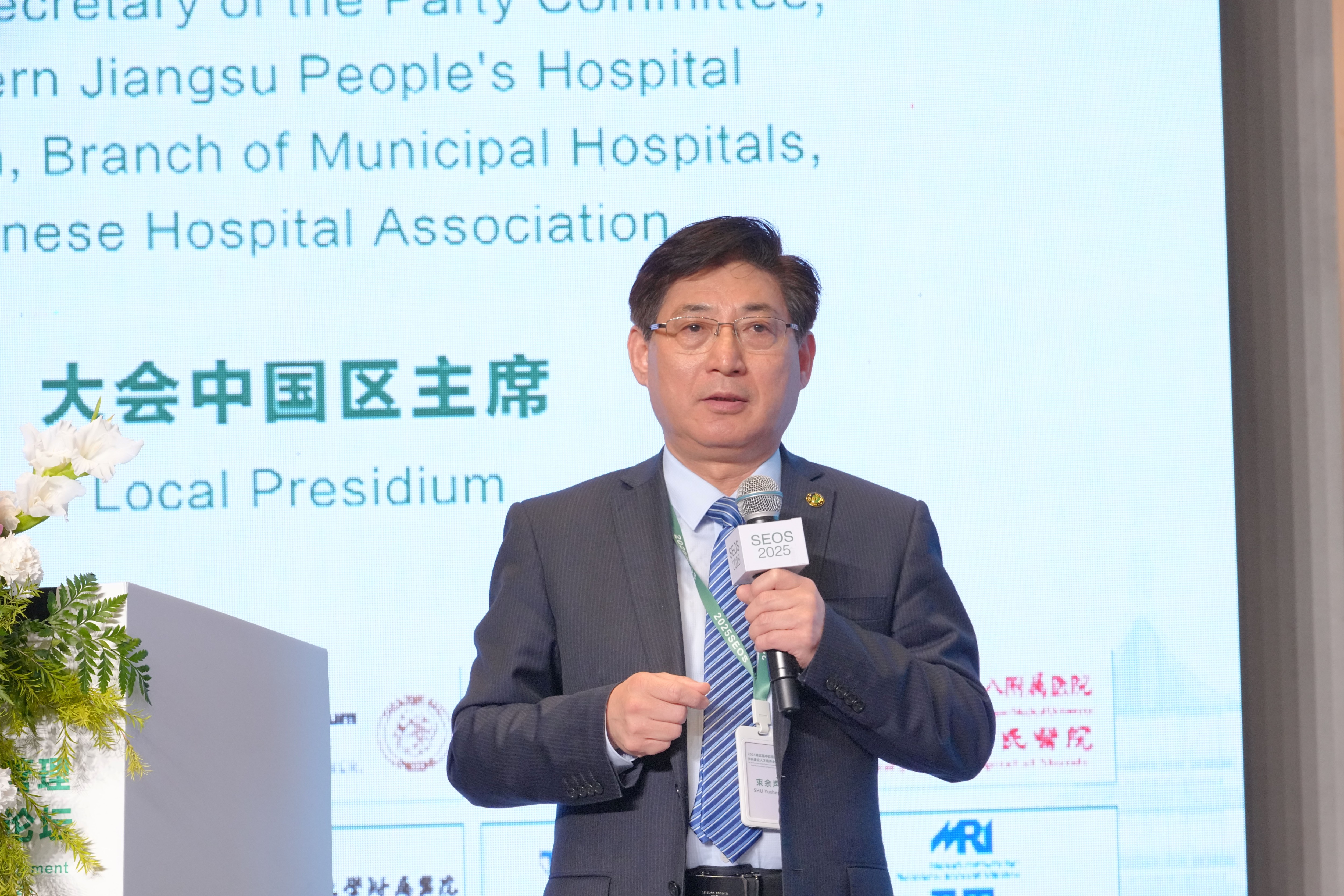
The 5th Sino-Euro Global Forum on Hospital Management, Specialty Construction & Talent Cultivation 2025 could be summed up as: Listening to it often brings new insights and gains.
First, the content is pragmatic and closely related to the core topics. The forum was elaborated on 3 key phrases. Hospital management is the eternal main theme, there is no best, only continuous optimization; specialty construction is the hospital’s core competence; talents are the primary resource, and they are scarcer and more precious for the administrators. Just as President Xi said: “Talents are the primary resource, innovation is the primary power.” This forum closely adheres to the theme and its content is solidly implemented.
Second, diverse forms and in-depth interaction. In the internal meeting yesterday, the faculty members were fully-prepared, all the experts shared their insights related to the meeting topics. In the evening we even had a 2-hour face-to-face communication. After deep-talk with multiple experts, I’ve gained a lot. The forum today was focusing on the difficult reform task that both China and Europe have in common, that is-- under the great changes unseen in a century, how can we join hands to meet challenges and promote the high-quality development of the medical industry?
Third, high-end guests and thoughtful organization. The lineup of the faculty members could be described as luxurious: top-class German experts with profound knowledge and high social reputation; the participants included administrators, middle-level cadres, discipline leaders and young backbone staff from top domestic hospitals, which are both experienced and energetic, creating a warm atmosphere for the conference. The particular commendable one is the organizer, Juin. With the sense of family and country as a bond, she selflessly invested in her resource and built the bridge of medical communication between China and Europe. We would like to express our special gratitude to the thoughtful preparation of Gloryren team, which have enable us to enjoy a unique experience at the forum.
For the hospital, communication with the top experts had injected new impetus to the construction of specialties; for the medical industry, the words “People and lives comes first” President Xi entrusted with us is precisely our mission to enhance the diagnosis and treatment capabilities of difficult and severe cases, and promote international alignment. The platform established by Gloryren has achieved the win-win situation of personal growth, hospital development and industry advancement. Our president emphasized that we should “Embrace the world with a broader mind”, which is highly agreed with the spirit of the forum. In 2026, let’s meet in Hangzhou and continue with our discussion of the plan for high-quality development together. We believe that this forum will become a benchmark brand event in the field of hospital management in China. We look forward to meeting all the experts again and moving forward hand in hand!