-
News & Events


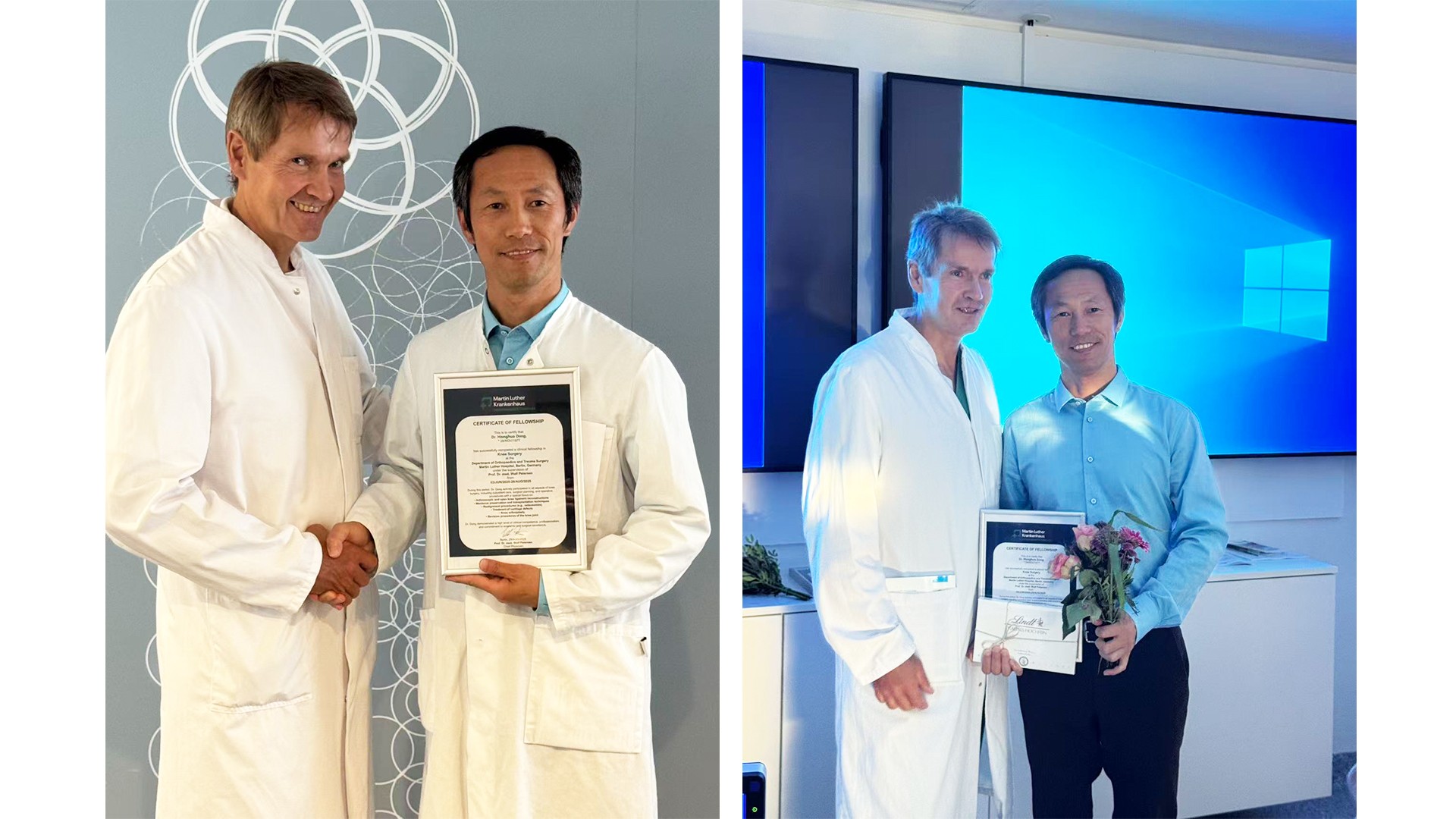
From March to August 2025, Dr. DONG Honghua of the Department of Sports Medicine at Yancheng Third People's Hospital undertook a fellowship at the University Hospital of RWTH Aachen and the Martin Luther Hospital in Berlin, Germany. The University Hospital of RWTH Aachen is a world-leading medical institution integrating clinical care, scientific research, and medical education. The Martin Luther Hospital, a teaching hospital of Charité – Universitätsmedizin Berlin, has been continuously ranked for more than 20 years since 2003 by FOCUS magazine as one of Germany's top orthopedic hospitals.
In this episode of Healing with Benevolence, Dr. DONG Honghua shares his reflections on his academic experience at the two German hospitals. He noted that the six months in Germany left a profound impression on him in terms of daily life, clinical work, and scientific research, becoming an unforgettable and invaluable period in his professional journey. This experience was not only a process of deepening and expanding his medical expertise, but also a profound immersion in advanced healthcare systems, research innovation, and the spirit of medical humanism.
1. Could you briefly introduce yourself?
I'm Dr. Dong Honghua from the Department of Sports Medicine at Yancheng Third People's Hospital. I'm the director of Ward 7, and I also serve as the Chairman of the Sports Medicine Branch of the Yancheng Medical Association. My main specialties are sports medicine and joint surgery, and I also perform some trauma orthopaedic surgeries.
2. What prompted you to go abroad for academic exchange?
First of all, I'd like to thank our hospital for its forward-looking strategy-specifically, its talent cultivation program. At the beginning of last year, our hospital launched a strategic plan to cultivate talent, aiming to train around 50 fellows over the next ten years. I was very fortunate to be selected as one of the first fellows to visit Germany, where I spent time at the University Hospital of RWTH Aachen and Martin Luther Hospital in Berlin. Having such an opportunity to step onto the international stage for learning and academic exchange is truly rare and invaluable.
3. With the heavy workload in your department, the demanding nature of your academic exchange, and the importance of family life, how do you manage and balance everything?
This opportunity as a fellow was truly rare and valuable for me. As I mentioned earlier, I am the director of a ward. I see myself as a leader within my department-I have the responsibility to guide everyone and help our department develop in a more positive and advanced direction. Every staff member and doctor in our department is also a manager in their own right, responsible for their patients and for the daily operation and development of the ward.
So, in terms of my role, I am a leader within the ward, but as the director of the department and a mid-level manager in the hospital, I am also a manager at the departmental level. Under the guidance of the hospital leadership, I am expected to manage the department effectively and align with hospital policies.
This dual role made it possible for me to have the opportunity to go to Germany as a fellow. During this period, besides my clinical work, there was also family life to consider. Fortunately, the visit lasted six months-not too long, but not too short either. At our stage of life, we have children to care for and elderly family members to support, so my family at home shared many of the responsibilities. Despite this, both work and family life were well managed.
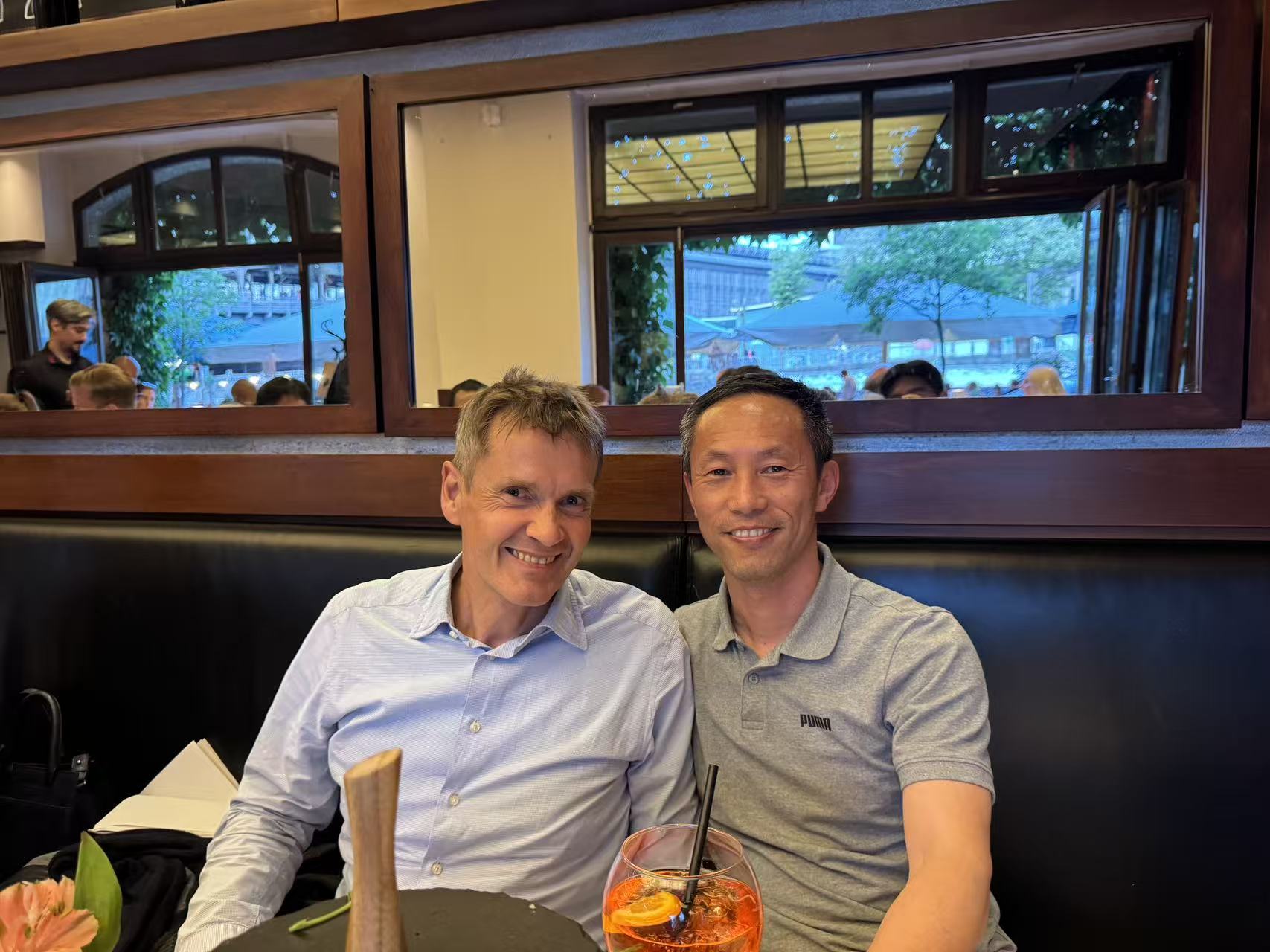
While I was in Germany, I also asked Prof. Petersen how he balances research, surgery, and family life. His wife told me that she handled all the family matters so that he could focus on research. I realized that this is truly the case: behind every department head or surgeon, there is a family providing strong support.
4. What preparations did you make before departing?
First of all, once this program was confirmed, the hospital provided us with tremendous support. They coordinated our work, helped with all the preliminary arrangements, and assisted with various procedures required to go abroad. Everything was very well organized, and we were given multiple opportunities to make the preparations smoothly. In addition, Gloryren also helped us a lot in laying the groundwork and handling pre-departure arrangements, which ensured that each step went smoothly.
Of course, during this period, I also received some routine English training. Although we had traveled abroad before, it was mostly short-term trips or for tourism, so the language requirements were not very high. But for this six-month fellowship, the language demands were greater. Thanks to the training provided by Gloryren, we were somewhat prepared.
However, one shortcoming became apparent once we were abroad. While our English is generally adequate for reading papers or working on research, we realized that we are not as practiced in speaking English, especially in professional contexts. During interactions with colleagues, daily conversation was fine, and gestures and eye contact helped, but during surgery, case discussions, or ward rounds, some professional vocabulary posed a challenge.
Another difficulty was that in Germany, surgeons communicate with each other in German during operations. We could not understand that, so we had to ask questions in English. Knowing when and how to interject in these discussions was a real challenge-a pain point for Chinese fellows who are not familiar with German. German surgeons operate very meticulously and deliberately, often pausing to discuss each step. They might occasionally switch to English to speak to us, but since their primary thinking is in German, there is always a small delay. This made communication a bit difficult during surgical learning.

In terms of daily life, food was not a big problem for me. I adapted more easily than some of my colleagues, as I am accustomed to simple meals even in China. Transportation was another challenge, but I was very fortunate to have a roommate in Aachen who helped me navigate the public transport system, get a SIM card, and set up local social apps. Even with preparation at home, there are always small surprises abroad, but with help, adaptation was quick.
Other preparations included clothing. Gloryren reminded us that formal attire is expected for important occasions in Germany. We brought several sets of formal wear with us, which we used for academic events, first meetings with professors, and farewell ceremonies.
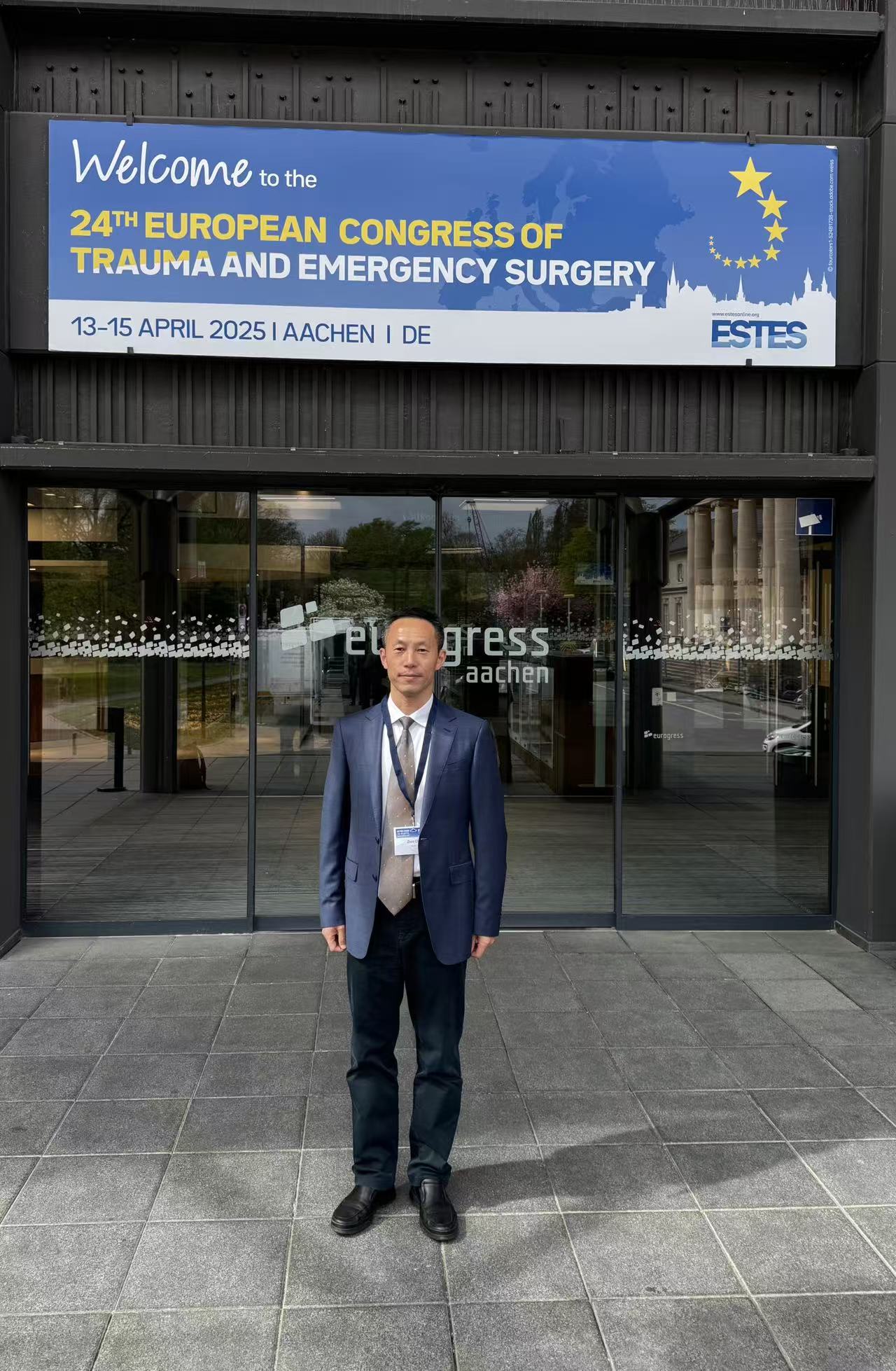
5. How did your experiences differ between the University Hospital of RWTH Aachen and Martin Luther Hospital in Berlin, and what leisure activities did you engage in outside of work?
The two hospitals I visited were actually quite different. The University Hospital of RWTH Aachen is a university hospital, and it has a very strong academic atmosphere. Everything is very rule-based and standardized, or you could say it reflects that inherent German sense of order. Perhaps because we had just arrived in Germany, their system felt unfamiliar, or maybe we hadn't integrated into it yet. So my impression was that the University Hospital of RWTH Aachen had very strict workflow management.
When we first arrived, we had to undergo an entry medical check. Because my hepatitis B antibody titer was relatively low-which is considered normal in China-Physical Examination Office told me that my titer was too low for me to have patient contact. They said I was only allowed to observe. They required me to receive another vaccination and then do a follow-up test; only after the result met their criteria could I enter clinical areas. Of course, this did not affect my training, because they told me I could still go to the OR, but I could not care for patients-I could only observe.
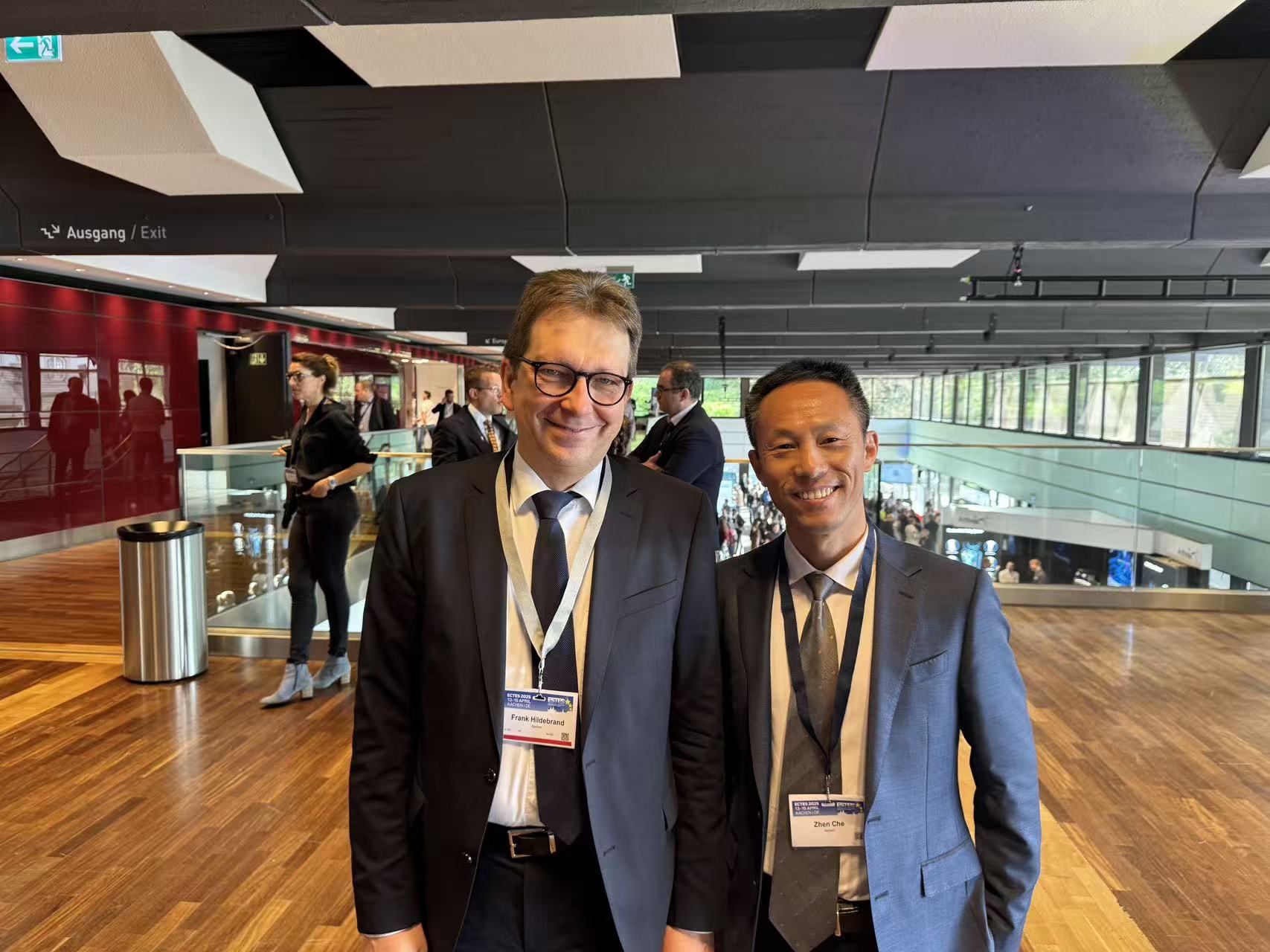
On the day I reported, Prof. Hildebrand assigned one of their junior doctors to take me to the operating room, the cafeteria, and help with my access card. Although in Germany almost everything requires an appointment and processes can be slow, I never felt alone or anxious in that environment. I actually felt quite good after arriving there. Their work attitude is extremely meticulous, and I have already reported this in my post-return briefing to our hospital leadership. We will adopt similar workflow practices.
To give a simple example: their handover starts at 7:20 a.m., even though the official workday begins at 8:00 a.m. At 7:20, they review all of the previous day's surgical cases. And this review is not casual-they do it with all the doctors present. They pull up every single intraoperative image on the computer, and the operating surgeon gives a self-assessment of the surgery. Others may comment. If no one has major concerns, they move on. If there is disagreement, debates can become quite intense. Because their handover is conducted in German, I could only understand the images on the slides. Their conference room has no signal, so translation apps do not work. I could only listen to them talk and look at the images.
What I found most valuable was that for every X-ray or fluoroscopic image taken during surgery, they could pull it up and explain it to the younger doctors. This is one of the best ways for young doctors to grow psychologically and professionally. I have already mentioned this twice in our hospital, and we will start doing the same-reviewing every surgery with our younger doctors to promote their psychological development and then their technical growth. This is the first thing I think we should learn from them.
Another point is their preoperative discussions. At first, I thought they didn't hold pre-op meetings. After repeatedly asking, I learned that they actually hold another discussion every afternoon. It turns out that at 4 p.m. every day, even though it is after working hours, all the doctors attend a meeting similar in scale to the morning one. They conduct preoperative planning for the next day's surgeries. The lead surgeon and primary assistants present the disease and the surgical plan, and everyone participates in the discussion. This too is something that we, especially our hospital, should learn from. Only in this way can everyone learn and improve together. Sometimes we go through the motions without doing it properly, and this is worth improving.
Another observation is that their surgeries are performed very slowly but very precisely. Every operation is done with great care and detail. When they step down from the operating table, they are very confident and composed. After half a year of observing their operating-room style, I think I have also adopted some of that composure. Now when I operate, I am unhurried and calm. After finishing, I step off the table confidently without worrying about numerous potential issues. This is one of my biggest gains from this exchanges
As for Martin Luther Hospital, the experience was noticeably different. It is a large specialty hospital centered on orthopaedics. Their subspecialties are structured vertically rather than horizontally. What does that mean? It means one surgeon performs all types of surgeries for a particular anatomical region. For example, a knee surgeon may perform sports-related procedures, trauma cases, joint replacements, and cartilage surgeries-all knee-related. But in our system, a surgeon usually performs only one type of surgery for that anatomical region. Their approach allows for deeper academic exchange. When I attended the Trauma Alliance conference in Aachen, I saw that each speaker presented comprehensively on all diseases related to one anatomical region. This is another model worth learning, and it may be better for training young doctors in our hospital.
In Berlin, opportunities to scrub in were abundant because the surgical volume was extremely high. We often followed professors from morning until evening, and we basically skipped lunch every day. I have now formed the habit of not eating lunch-a habit developed in Germany-and I still feel comfortable with it after returning. Their passion and enthusiasm for work are much higher than what we usually see in China. I think this is because their professional fulfillment and happiness are stronger. They truly enjoy their work, and after work, they can fully enjoy their lives. In contrast, after finishing clinical work in China, we often still have endless tasks to complete. So our sense of achievement or happiness from work is not as strong. These are my impressions of working in these two hospitals.
On weekends, when I was in Aachen, I visited the city's main attractions and walked around town. In Berlin, being an international metropolis, there is much more cultural content to explore. My favorite was the flea markets, where you can experience all kinds of authentic German culture. I also visited many of Berlin's museums. Going out and exploring truly broadened my horizons. I saw many things I had never imagined or had no opportunity to encounter before. This was indeed another major gain from my fellowship.
6. What impressions did you have of your supervising professors and colleagues in the departments you visited?
First, I worked closely with two professors-Prof. Hildebrand and Prof. Petersen. They were both extremely approachable and very friendly. In particular, Prof. Petersen and I interacted almost like close friends or long-time acquaintances. In Aachen, because Prof. Hildebrand was often occupied with administrative duties and was not always in the hospital every day, I spent most of my time with the department's doctors, especially with an Arab doctor. I operated with him, worked with him in the OR, and he helped me solve many problems. I found him incredibly warm and hospitable.
After I had been in Aachen for about a month, I asked them why I hadn't seen any joint replacement surgeries. I thought a large hospital like that certainly must have joint arthroplasty, and I was there specifically to observe joint surgery. The Arab doctor later told me that there was a specialized hospital dedicated to joint replacements. I told him I wanted to go observe, and he said “no problem.” He contacted the hospital for me, arranged everything, and told me exactly how to get there and who to meet. During the following two months in Aachen, I spent half of my time in that affiliated specialty hospital observing joint replacement and revision surgeries. The rest of the time I stayed in the main hospital observing trauma surgeries. Each time I went to the specialty hospital and met doctors from the main hospital, they recognized me immediately and called me “the Chinese doctor.” They were all very enthusiastic. Their doctors were truly wonderful.
In Berlin, there was a Polish doctor in the radiotherapy department who had also studied in China, and he had trained in Japan and Korea as well. He was extremely warm-hearted. He told me he wanted to pass on to me the kindness and warmth he had received during his own time abroad. He even invited me out for a meal. Our interaction felt like an exchange of international friendship, not just academic communication-it was based on warmth and camaraderie. I found these mentors genuinely friendly, enthusiastic, and always willing to help.
In the OR, if you had any questions, not only the doctors but also the nurses were very kind. For example, when I wanted to take pictures of the operating table, I would first ask whether I was allowed. They always said I could take pictures, and they would even give me the best position for taking them. Since German doctors are quite tall, when they operated, sometimes if I was not scrubbed in, I would watch from behind but still couldn't see clearly even on tiptoe. The nurses would actively bring me a stool so I could stand on it and observe. Afterward, I would usually put the stool back myself, but if I forgot or needed to step aside to make room for the professor, the nurses never asked me to do anything-they would quietly finish what they were doing and put the stool away for me.
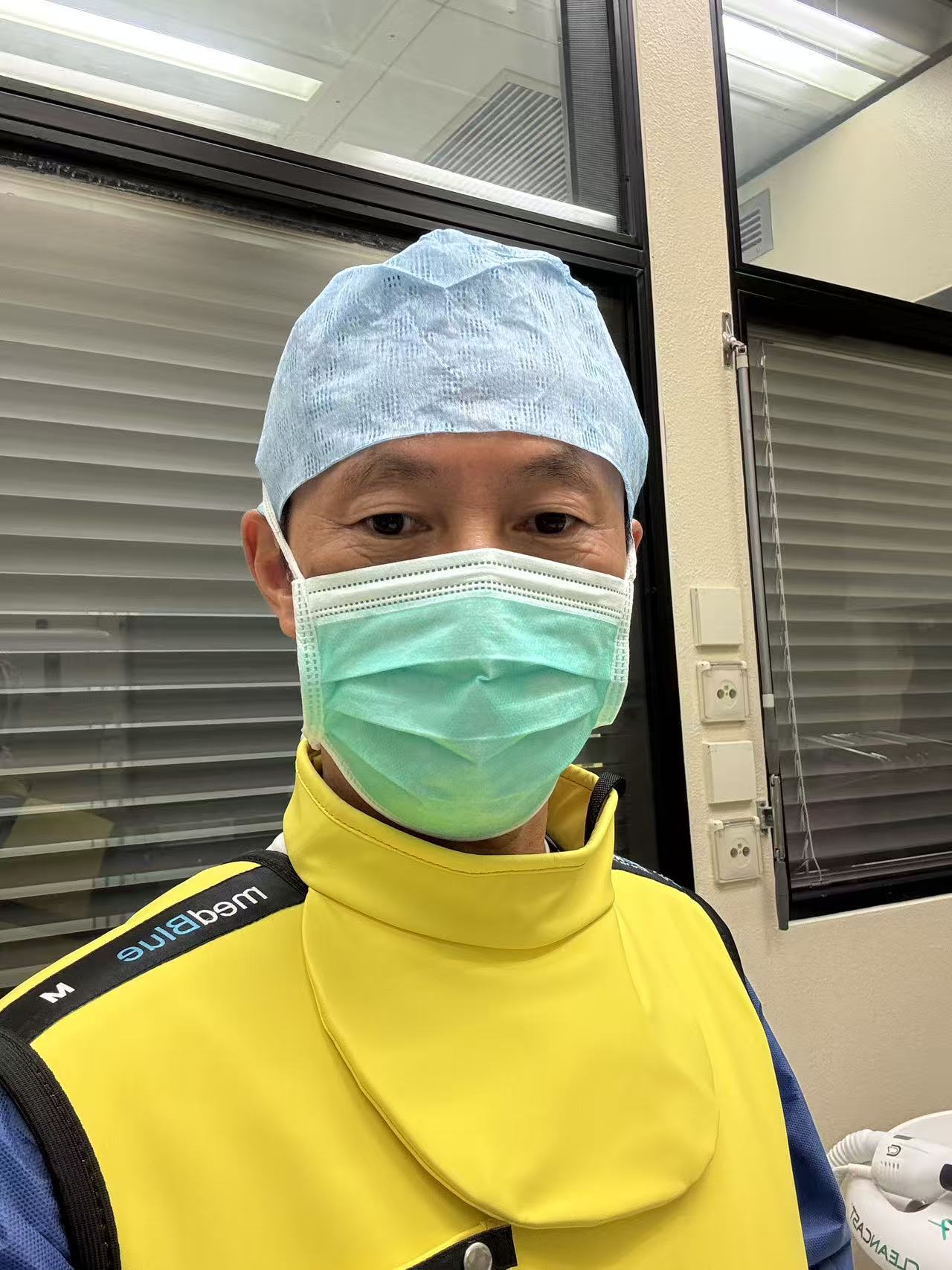
In the OR, the temperature is kept quite low. When I was not scrubbed in and wore only short sleeves, it could be a little cold. If I asked for a jacket, the nurses would kindly help me find one. And in Germany, in every operating room, everyone must wear lead aprons for self-protection, no matter what type of surgery it is. So when entering the OR, if you haven't put on a lead apron, the nurses will strictly instruct you to go out and wear one-or not enter at all. At the beginning, when I couldn't understand what they were saying, they even helped me find a lead apron inside the OR and helped me put it on so that I could stay and watch the surgery. I felt these people were incredibly kind, hospitable, and warm.
7. What memorable experiences did you have during your fellowship in Germany?
During my six months in Germany, whether in daily life, clinical work, or scientific research, everything left a profound impression on me. It was truly an unforgettable and invaluable experience.
While operating with Prof. Petersen, I was particularly impressed by the precision of their surgical techniques-the screws, the angles, everything was placed with great accuracy. People often say that Chinese doctors (including fellows or students) have limited opportunities to scrub in or operate when abroad. But I do not agree with that. When I was on the operating table with Prof. Petersen, I could perform surgeries independently, or we operated face-to-face as equals. Such an opportunity was extremely rare and meaningful.
There were also two occasions during surgery where we encountered minor complications. Prof. Petersen tried to resolve them for quite some time but could not get the result he wanted. Then he would let me handle them. Sometimes he would simply give me a look, signaling that it was my turn.
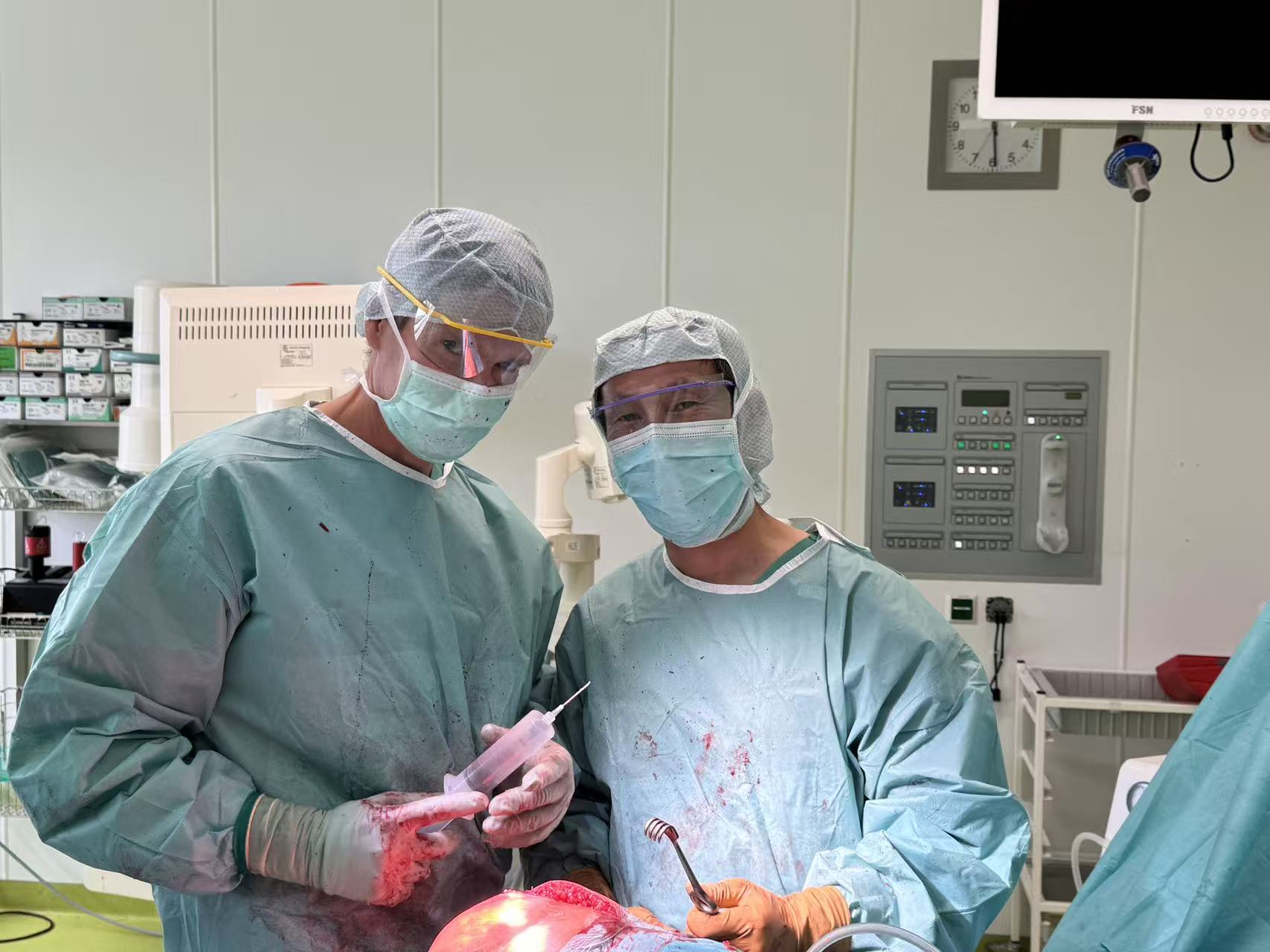
One of these occasions happened during an HTO (high tibial osteotomy), which is Prof. Petersen's strongest and most frequently performed procedure. Before joining his department, I had read more than 50 of his publications, and before officially participating in surgery with him, I had finished reading over 40 of his papers. So when we were on the operating table and he performed the osteotomy, I discussed with him the osteotomy angles he had described in his articles. He was surprised and pleased. I told him I had read many of his papers-how he described the angles, how he recommended adjusting them. He was genuinely happy.
After that, every time he performed an HTO, he would ask for my opinion about the angle-whether it was appropriate, whether it should be slightly higher, lower, larger, or smaller. And after completing it, he would often say to me, “You're right. Thank you.” At that moment, it felt like more than just learning-it was true academic exchange. And this exchange allowed us, as Chinese surgeons, to demonstrate our expertise as well.
On September 10th, during our hospital-wide meeting on Teachers' Day, I reported on my fellowship experience. I said that with the support of Yancheng Third People's Hospital, I had been placed on an international stage. During this exchange, we participated not only in their surgeries but also in their research and their daily life. Therefore, this fellowship should not merely be viewed as a platform for observation, but as an opportunity to present ourselves and contribute on a global stage.
For me, every moment-every day of life, work, and study during my fellowship-left a deep and lasting impression.
8. During your fellowship, what did you gain in terms of specialty construction and talent cultivation?
First of all, since I am the leader of my department, I have my own ideas about the overall development of the department. At the same time, the hospital leadership told me that I needed to broaden my thinking, widen my horizons, observe how others operate, and bring these insights back. With this task and expectation in mind, I went to study their departmental management, especially through my exchanges with Prof. Petersen.
During my time in Berlin and Aachen, I noticed that for each Professor, there are different assistant doctors scrubbed in for surgery. Their assistants are not fixed; it is not the case that one assistant follows one professor all the time. Their model aligns exactly with the current model of my inpatient unit. After seeing this abroad, I became very confident that this model works well.
Why is it good? Because young doctors in our unit-just like those in Germany-need to grow and progress. It is impossible for a young doctor to follow only one professor for an entire career or even for just six months or a year. Since German professors are highly specialized-Prof. Petersen in knee surgery and Prof. Hildebrand in trauma-it is impossible for one doctor to spend all their time with just one sub-specialty. Therefore, to cultivate young doctors across the whole department, they rotate with different professors in surgery and ward rounds. This ensures that everyone has access to mentorship and learning opportunities.
In our department, since I am the department director, when I perform surgery each day, younger colleagues rotate to assist me in different cases. This means that I am essentially training and leading the growth of all the young doctors in my department. I believe this model is worth learning from, strengthening, and promoting as a departmental development strategy.
Of course, due to differences in medical systems between Germany and China, we cannot copy their model entirely. But there are aspects worth learning. For example, doctors who focus on research have laboratories and work exclusively on scientific projects. Their scientific output belongs to the whole department and the whole hospital. The reason their centers are strong is because one or two doctors are extremely strong in research and become well-known nationally-or even across Europe and the EU-making their entire hospital well-known.
In China, however, everyone is expected to do research. But human energy is limited. It is possible-but not common-for someone to excel in both clinical work and research. In reality, one must have a focus. Those who focus on clinical work should strive for clinical excellence; those who focus on research should concentrate on research. When these come together, they represent the department's overall strength. If everyone does a bit of everything and excels at nothing, then there is no core competitiveness.
9. During your fellowship, did you have the opportunity to visit departmental laboratories or participate in research projects, and what experiences did you gain from them?
Yes. While in Aachen, I specifically visited the orthopedic laboratory at the University Hospital of RWTH Aachen. I interacted closely with their associate director of orthopedics, who is also the associate director of the lab. In particular, I maintained long-term collaborative relationships with many Chinese MD students working in Germany. Our relationships were very good. We frequently exchanged ideas about their research projects or my own scientific ideas, often informally in the cafeteria.
Within the department, some MD students were conducting research on femoral head necrosis and cartilage, while others were focusing on biomechanics. We exchanged ideas regularly. In Berlin, I had in-depth discussions with Prof. Petersen regarding a project on “treatment of osteoarthritis resulting from cartilage injuries in young patients,” and we worked toward a paper together. I also discussed with one of Prof. Petersen's senior doctoral students, who is conducting biomechanical research in the lab, and we reached some collaborative ideas.
Because I am a master's supervisor at Nantong University and currently have four graduate students, there is the potential for our students to exchange and work in their laboratory, while their students could come to China for collaboration. In their lab, I observed students from many countries outside Germany conducting research and participating in exchange programs. For example, students from Shanghai Jiao Tong University also do exchanges there.
We discussed mutual student exchanges-sending our students to their lab while receiving their students in our lab-as part of an international research collaboration. This would be highly advantageous for future applications to the National Natural Science Foundation of China, particularly for the “International Fund Application” category. I plan to continue these discussions with them toward the end of this year, which may lead to further academic collaboration.
Moreover, I hope that in future cooperation with Gloryren, they can help facilitate and mediate such collaborations. This is also a very important task assigned to me by our leadership during this fellowship: to build a scientific platform and research bridge, enabling our doctors, researchers, and research enthusiasts to connect with international laboratories and produce results. Beyond surgery, this was my primary goal during the fellowship, and I have largely accomplished this task.
10. Did this fellowship meet your expectations?
I can say that I gained a lot and basically achieved my expectations. The goals I set for myself were largely accomplished. First of all, I am a doctor in the field of sports and joint surgery. My main objectives were to learn joint replacement surgery and sports medicine. Regarding joint replacement, I visited these two hospitals and observed a large number of revision surgeries. My primary focus was on revision surgeries. After observing many revision surgeries, I encountered a challenge related to health insurance systems. Because the Chinese and German healthcare systems differ, the clinical pathways are different. However, the surgical techniques and skills are the same. Therefore, I set a goal for myself to “begin with the end in mind.” I studied the causes of revision surgeries abroad, and upon returning, I can reflect on the primary joint replacements I have performed-identify potential issues and deficiencies-and use the reasons for revisions that I observed in Germany to guide and correct my own practice. This is the biggest goal I have achieved: using the “failures” observed abroad to inform and improve my work back home. Of course, this is not to criticize anyone else's work; every surgery has the potential for complications. My aim is to minimize this possibility, prevent issues, and reduce the underlying causes to the lowest level possible.
Additionally, I aim to bring back revision surgical techniques to train our physicians. I also plan to arrange for our younger doctors to go abroad in the future to further study these techniques. This covers the objectives regarding joint surgery. Regarding sports medicine, there are many advanced techniques abroad that are not yet routinely performed in China. Although I observed these during my fellowship, there are some limitations because many of these emerging techniques are still in the early stages. I often asked the professors about their effectiveness, and they were very honest: “I don't know. Maybe it could be like this or that.” They present it as it is. Since strict data are not yet available, definitive outcomes cannot be reported. This represents an area for continued learning and future exchange programs.
In short, for both sports medicine and joint replacement, I approached the fellowship with the goal of “beginning with the end in mind”-to reflect on my surgeries, my departmental management, and new sports medicine techniques. Now, back in China, I can gradually implement what I have learned. Overall, I would say that my objectives were basically achieved.
11. After your international fellowship experience, did you develop a more open and proactive mindset? Has it given you a deeper understanding of international medical exchange?
Absolutely. The impact on me has been profound. Whether in terms of technical learning, humanistic understanding, or insight into German society, the experience has been extremely striking and meaningful for me.
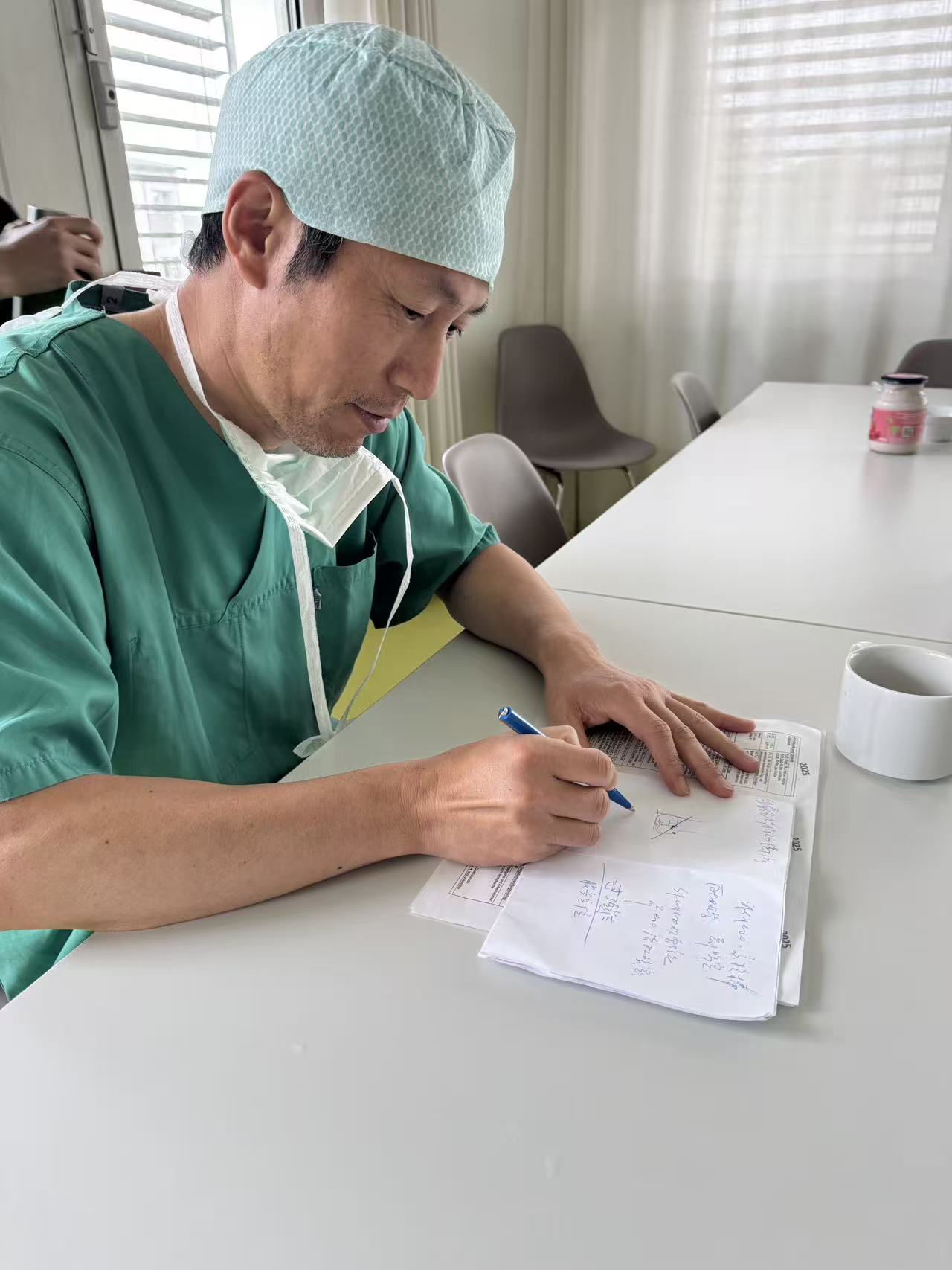
Especially regarding surgery and technical skills, observing their procedures was not just about seeing how many advanced surgeries they performed, or learning some new German technique to bring back. What mattered most was what I saw and thought about in those moments on the operating table. I constantly reflect: watching a surgery, they perform it slowly, but observing each movement, I think about what it implies. I always carry a piece of paper in my bag to record these observations immediately. The things I note are the real differences-not whether I can perform a particular movement or technique myself, but how their actions spark ideas for subsequent considerations. It opens my thinking and broadens my perspective.
Moreover, after attending several academic conferences in Europe, listening to their research presentations and academic reports, I realized the importance of such thinking-it is what we call innovation. In Germany, their population and patient volume are much smaller than ours in China, yet their innovations and technical improvements far exceed ours. This reflects their focus and dedication. I observed that German doctors invest tremendous attention and effort into even small details, which allows them to achieve results.
In contrast, in China, we are extremely busy, and doctors face heavy workloads. We often prioritize speed and volume, which may reduce the depth of focus on any single point. This may explain why our competitiveness is not as strong as theirs. This has been an important reflection for me regarding international medical exchange and professional development.
12. Please leave a sincere message for the audience, doctors, and all those who are committed to the medical profession with compassion.
First of all, I believe that everyone should have their own professional ethics. Once one has a proper and sound worldview, I think that having the opportunity to go out, travel, and see the world-going beyond one's own country and opening one's international perspective-can be extremely beneficial and can broaden one's thinking.
From my own experience, during these six months of fellowship, as my thinking and perspective expanded, I suddenly realized that when I observe a surgery, consider a disease, or handle a case, the level at which I stand and the directions in which I think have greatly increased compared to before. In handling every surgery or every task, I have become more composed and confident than I was previously. I believe that going abroad and broadening one's horizons can make a person truly confident. This has been an unexpected gain for me, in addition to the technical skills I acquired during the fellowship.