

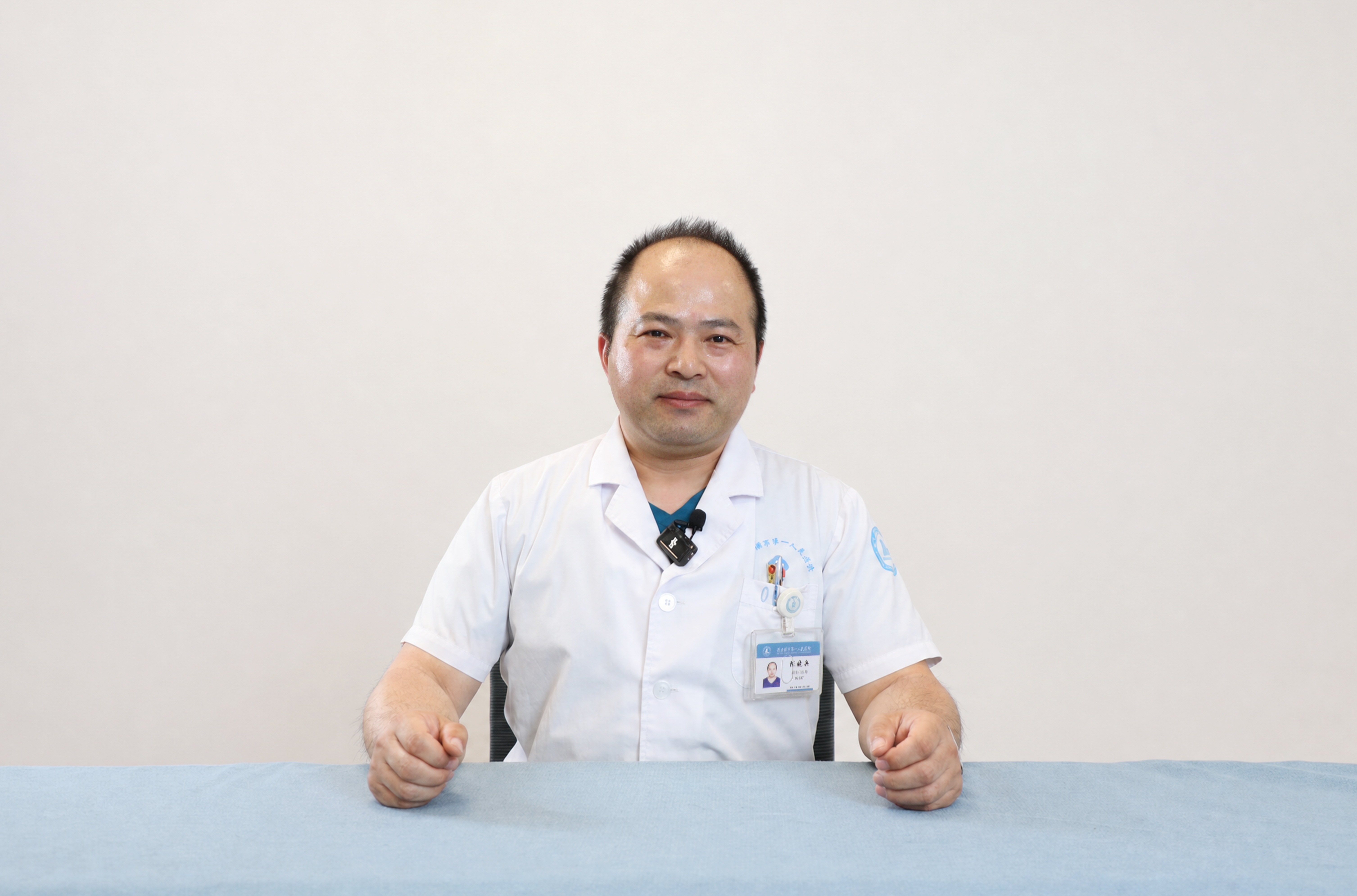
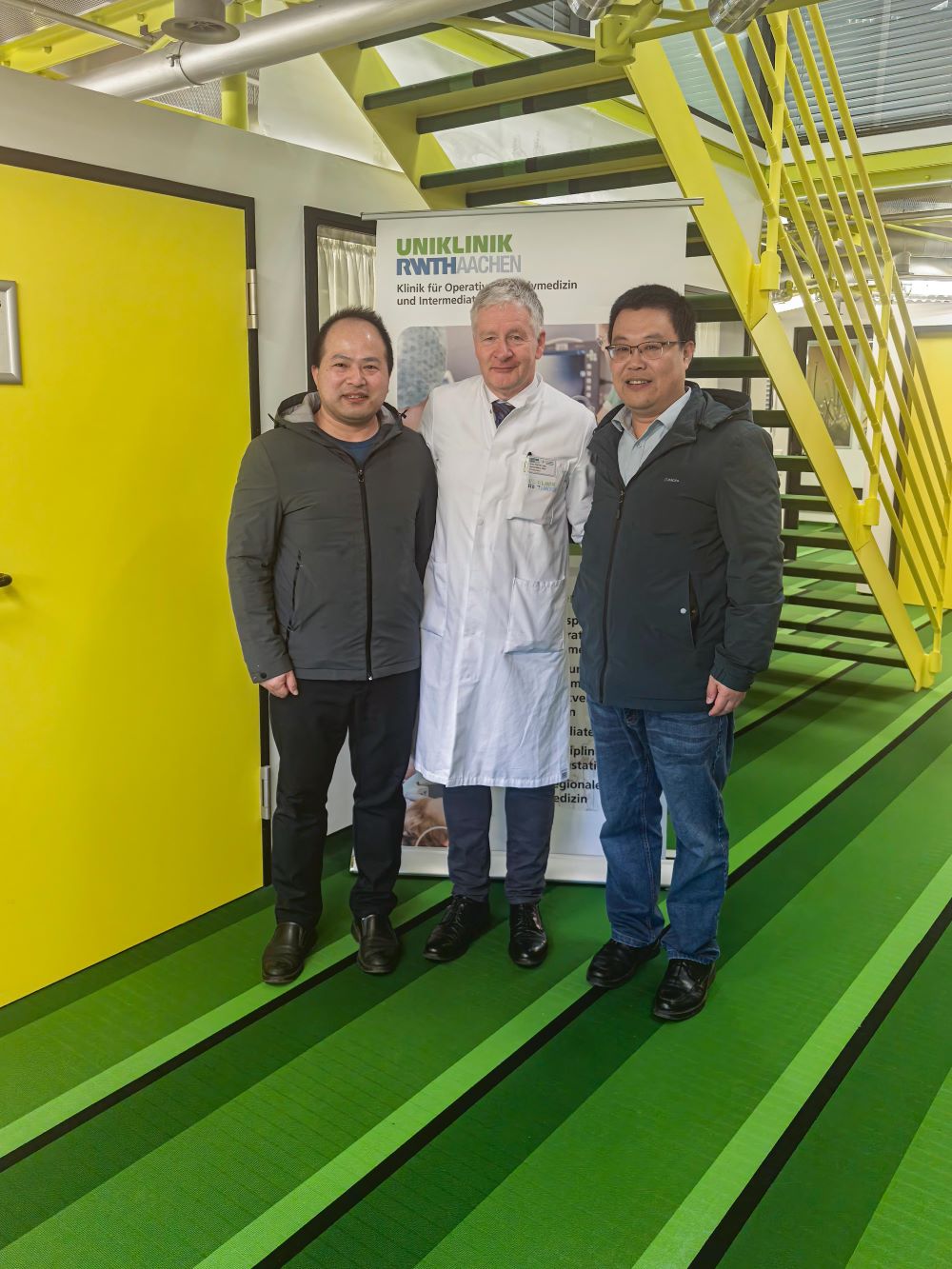
In January 2026, CHEN, Xiaobing, Secretary of the Party Branch of the Emergency Department of The First People’ s Hospital of Lianyungang, Deputy Director of the Emergency Department, and Director of the EICU at the Tongguan Campus, traveled to Uniklinik RWTH Aachen, the birthplace of Impella technology, to embark on a three-month academic visiting program.
CHEN, Xiaobing’s objectives for the overseas visit were clearly defined. Building on his existing clinical experience with extracorporeal membrane oxygenation (ECMO), he aimed to further improve the standardized management of ECMO and, with a particular focus on mastering the complete clinical pathway for Impella therapy, ultimately facilitate the comprehensive introduction of this key technology at his home institution.
During the visit, the rehabilitation management of critically ill patients at Uniklinik RWTH Aachen, as well as its intelligent deployment of critical care support equipment, including automated ventilators, intelligent patient-turning beds, and an AI-assisted mild hypothermia treatment system, left a deep impression on him. In his view, these practices offer valuable experience that could be adapted and promoted in his own department. In addition, Prof. Marx’s team has accumulated extensive expertise in critical care and emergency medicine, providing numerous highly practical insights for the subsequent optimization and development of the department’s critical care diagnostic and treatment system.
1. Could you please briefly introduce yourself first, sharing your affiliation, your professional title, and your main clinical focus?
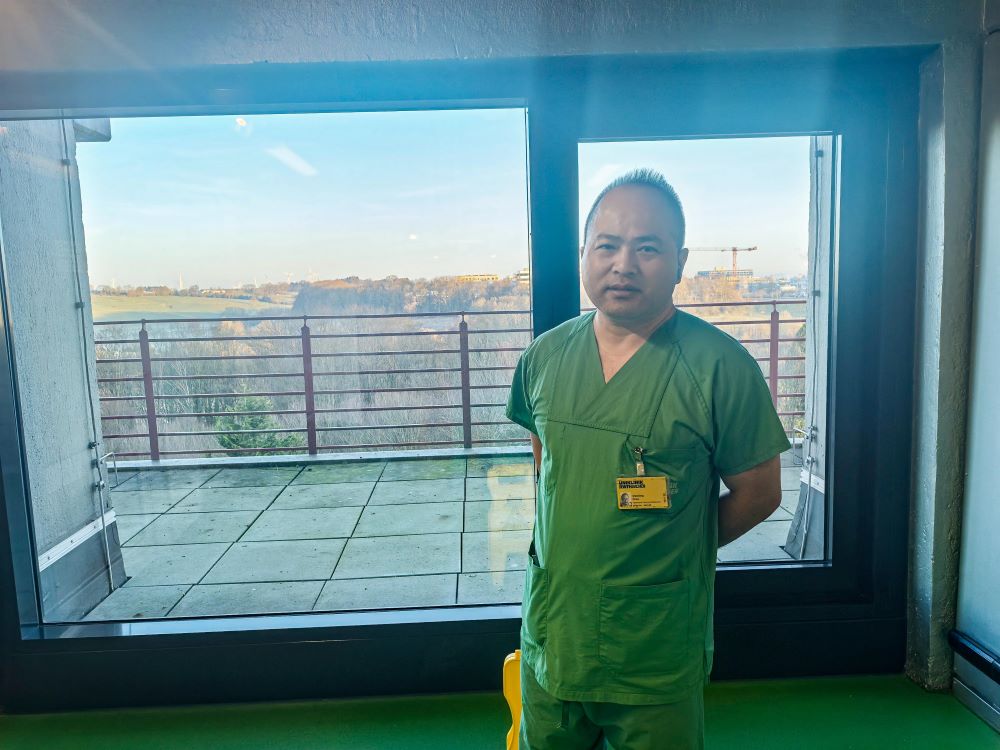
Hello. I’m CHEN Xiaobin from the Emergency Department of the First People’s Hospital of Lianyungang and I am mainly responsible for EICU at Tongguan campus. This time, my primary reason for going to Uniklinik RWTH Aachen for a fellowship is to learn about Impella technology. Our hospital has developed ECMO for many years with many cases, I also learned that Impella is often used as a bridge therapy after ECMO, and this hospital is globally regarded as one of the leading institutions in this technology. That’s why I chose to apply for this hospital in particular.
2. Before heading to Germany, what’s your preparations for this fellowship?
For this fellowship, we had about a month of online training focused on spoken English, including daily conversations and how to email professors, It really helped improve my oral English.
3. Could you share your overall impression of Aachen and Uniklinik RWTH Aachen?
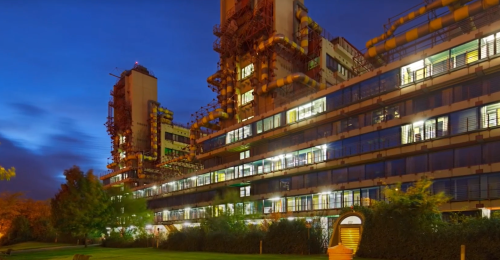
Aachen, bordering Belgium and the Netherlands, is a major industrial city in Germany and it’s particularly renowned for its prominence in education. Uniklinik RWTH Aachen is very famous not only in Germany but also internationally, and I know that many Chinese students go there for further study. Although Aachen is a relatively small city, it is centered around education and has a strong academic atmosphere.
4. Could you share your daily work and what you mainly engaged in during the three-month fellowship?
My main purpose of this fellowship was to gain a deeper understanding of ECMO management and Impella technology. Impella is not yet been introduced in our hospital and in Jiangsu province it is only available in a few hospitals. In terms of both case volume and clinical experience, it is still not comparable to leading international centers, so I really want to learn more here.
Impella actually originated from Uniklinik RWTH Aachen, so it was a natural choice for me to come here. The department is mainly focused on cardiac surgery and emergency critical care, which is also the area of Prof. Marx’s team. What impressed me most is their advanced implementation and management of ECMO and Impella. I’ve seen quite a number of cases here, with around two to three ECMO or Impella cases every week. Their postoperative management is very well organized, and the survival and treatment outcomes are quite good, which has been very valuable for my learning. In this regard, I feel I have achieved my training objectives.
During these three months, I have basically followed their clinical workflow—taking part in handovers, ward rounds, and discussions on advanced management strategies.
5. What’s the difference of work mode between the department that you are in and Prof. Marx’ s department?
I’d like to first talk about their clinical workflow. There are some similarities, from morning handover and ward rounds to consultant rounds and doctor-patient communication. However, what I find is particularly worth learning is their strict requirements for hand hygiene. Although hand hygiene protocols are currently implemented in our hospital as well, they do it better than we do. What’s more, one of their specialties is the rehabilitation therapy, which I think is a major highlight. They’re doing very well in this part, and we can introduce their rehabilitation therapy concepts to China for most of the hospitals with ICU to learn from. After returning to China, I hope to promote rehabilitation for critically ill patients in our ICU. Another area I focused on was Impella therapy and other ventricular assist technologies. These were among the key areas of my training during the fellowship. After returning to China, I initiated the application to introduce Impella as a new clinical technology at our hospital. With the recent availability of domestically manufactured devices, which were not available before, we are optimistic about performing our first Impella-assisted procedures later this year.
6. Could you share your impressions about Prof. Marx’s department and his team?
The doctors and medical staff in his team are quite friendly and approachable. In daily conversations, they’re willing to answer any questions I have.
Since most of our communication was through everyday conversations, there were occasionally some misunderstandings due to language differences and the way we expressed our ideas. I could sense this from their responses as well, because our approaches to medicine and clinical practice sometimes differ. When communicating with their team, I mainly focused on their clinical management, techniques, and, more importantly, the rationale behind their clinical decisions. Their explanations helped me understand why they chose those approaches, and I found their reasoning to be both clear and convincing.
What really impressed me was their strong emphasis on preventive care. In China, we often respond after a patient develops a problem—we analyze the cause and then decide on the appropriate treatment. In contrast, they place much greater emphasis on preventing potential problems before they occur. For example, there were times when I found it difficult to understand why they chose to implant a pacemaker in a particular patient. From their perspective, however, it was a proactive preventive measure rather than a treatment introduced only when it became absolutely necessary. This preventive mindset—anticipating potential complications and taking early measures to avoid them—left a particularly deep impression on me.
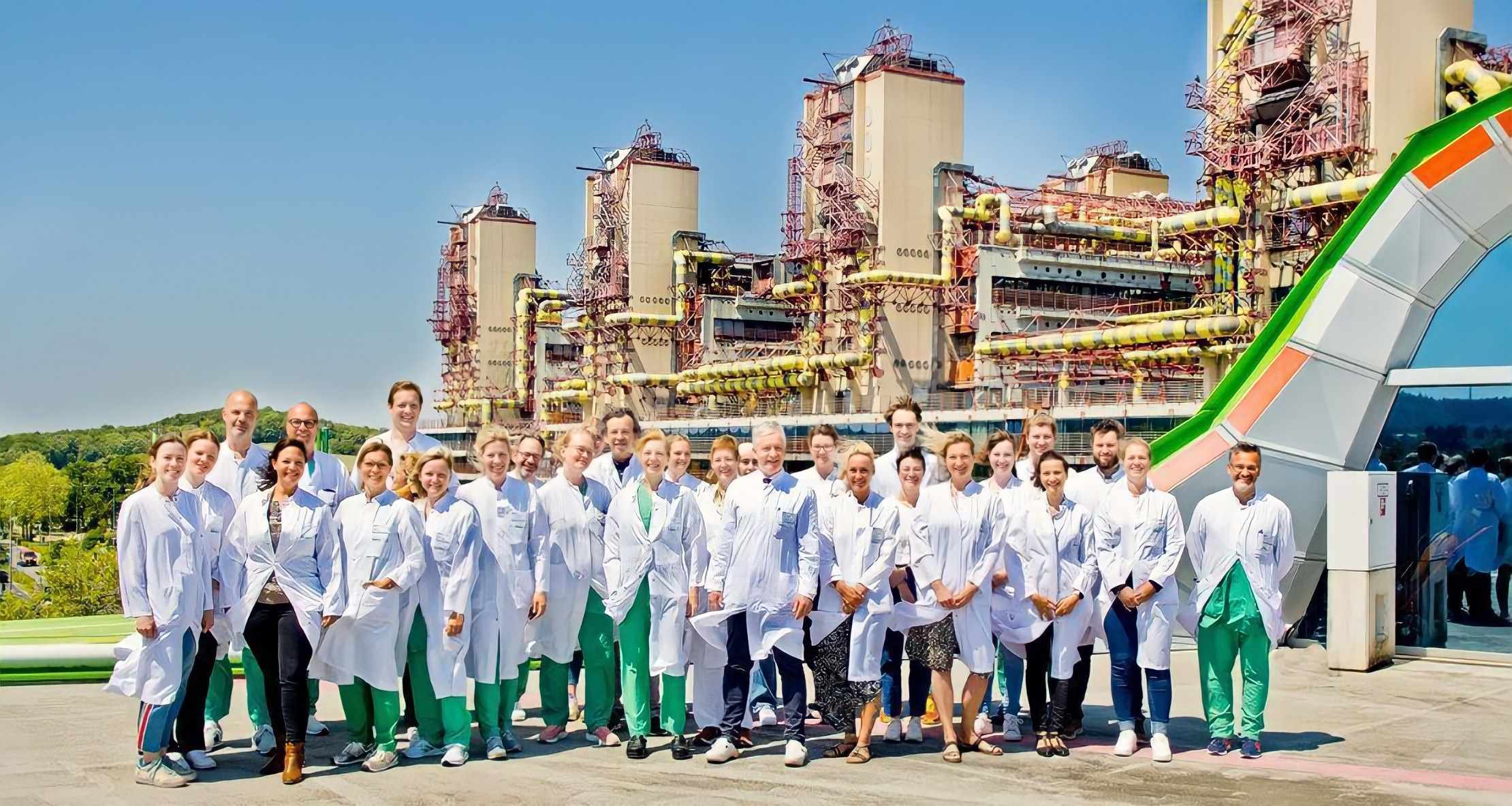
7. The Department of Surgical Intensive Care and Intermediate Care at Uniklinik RWTH Aachen primarily provides perioperative management and comprehensive critical care for critically ill surgical patients. Given that you specialize in emergency and critical care as well as acute poisoning management, have you gained any new clinical insights or discoveries from this cross-abroad exchange?
Let me share two clinical observations from my experience. First, rehabilitation is really important for critically ill patients. Second, their approaches to fluid management and antibiotic therapy are relatively advanced. Since the department is mainly focused on cardiac surgery, the range of cases we encountered was relatively limited. For example, I didn’t see many cases with septic shock or ARDS during my three months there, although they do manage such conditions when needed. For ARDS and related topics, I turned to the literature—I read quite a few of Prof. Marx’s papers. He has done a lot of clinical research on ARDS and renal failure, and has also contributed to several guidelines in these fields. On top of that, Prof. Marx has done extensive work on cardiogenic shock and developed the well-known “Aachen Protocol.” During my spare time, I reviewed his publications on these topics, which provided me with valuable insights and inspiration.
8. After engaging with Prof. Marx's team, how do you understand the operational mechanism of this German hospital's integrated emergency and critical care system? Among its management models or clinical pathway designs, which ones do you find instructive for the emergency and critical care system in your own institution?
Actually, these concepts are also consistent with the current directions in critical care development that we advocate. However, we still lag behind in terms of clinical implementation. For example, in the field of critical care rehabilitation -- at least within our province -- some hospitals, such as Zhongda Hospital Southeast University, are doing quite well. It’s just that within our own department, we are somewhat behind, and this is an area where we need improvement. But these principles of critical care development have actually been around for years.
9. Prof. Marx is not only proficient in critical care treatment but also has significant international influence in the fields of digitally critical care, Tele-ICU, AI-assisted care and medical big data. Through this academic exchange, what are the new concepts or practices that impressed you the most? Compared with the development of related fields in China, what areas do you think are most worth learning from and implementing?
I found that their equipment is really advanced, and in some areas, even more advanced than what we have in China. We do have some cutting-edge devices too, but theirs are much more automated. For example, their ventilators are incredibly versatile. One single machine can handle everything from nasal cannula and high‑flow oxygen therapy to mask-based support, non-invasive ventilation, and invasive ventilation.
Their automated repositioning beds are also impressive. These beds can regularly reposition patients and provide pressure relief without requiring manual assistance from nurses. I once asked the nurses why they did not turn the patients themselves, and they told me that the bed could perform these functions automatically.
Their therapeutic hypothermia system is also impressive. Using AI algorithms, the system can predict potential temperature changes and automatically manage both the cooling and rewarming phases within an integrated platform.
In terms of documentation, healthcare professionals do not need to manually record large amounts of information, as many key clinical data points can be captured automatically. Their digital healthcare systems are highly advanced, and I believe there is a lot we can learn from them. Therefore, I am planning to introduce this AI-based therapeutic hypothermia approach as a new clinical technology at our hospital and apply for official approval.
10. Prof. Marx's team focuses on sepsis, critical organ support, and precision critical care , while your research also involves septic shock and acute poisoning management. During this fellowship, did you visit their laboratories or engage in research discussions? On this basis, what similarities and differences do you see between the two sides in terms of research concepts and translational medicine? What experiences do you think are worth learning from and applying in China?
Since our fellowship focused primarily on clinical practice, we did not have extensive research exchanges with Prof. Marx’s team due to the limited duration of our stay. There is a library next to Prof. Marx’s department, mainly for students, and the hospital also provides library resources for further study.
During my spare time, I mainly read some of Prof. Marx publications and related guidelines. I was particularly impressed by his work on renal protection in critically ill patients, especially the guidelines developed by his team regarding anticoagulation strategies during CRRT, including heparin anticoagulation and regional citrate anticoagulation. I also gained a deeper understanding of his research related to ARDS management through his publications and guidelines.
Given that our primary purpose this time was clinical techniques and practical learning, my experience and understanding of their research activities were relatively limited. However, I hope that in the future, through online communication or other channels, such as coordination with his team secretary, we can have more opportunities for research collaboration and academic exchange.
11. During your fellowship in Prof. Marx’s department, how did you find the workload and work intensity?
We followed the department’s schedule. Since the morning handover started at 7:30 a.m., and our accommodation was relatively far from the hospital with a transfer required by public transportation, we had to leave about one hour in advance.
We strictly followed their clinical routine and participated in morning handovers, ward rounds, and case discussions. Generally, we left around 6:00 a.m. and finished the clinical activities at around 2:00 p.m. After that, the afternoon schedule was more flexible. We could visit the nearby library for further study or observe other departments.
Overall, the schedule from the morning until early afternoon was relatively intensive, while the afternoons provided more opportunities for self-directed learning and academic visits.
12. Is there anything else you would like to share with us about your fellowship experience?
First, it’s important to set clear objectives before starting a fellowship. You need to know what you mainly want to learn. Beyond simply observing the technologies they use, you should also consider whether these experiences can be adapted and applied in China.
Second, when in Rome, do as the Romans do. During an overseas fellowship, if you encounter any problems, you can seek help from international students or medical service organizations. I am very grateful to Gloryren. Sometimes we may face difficulties, but they are always able to provide immediate support and help us solve problems, even despite the time difference.
Of course, we’re now living in the era of AI, and we should learn to make good use of AI tools to address various challenges. For example, when we encounter language barriers, we can use translation apps like Doubao. Similarly, when reviewing relevant literature, we can also leverage AI tools to summarize and organize the information, which can save us time and made our study more efficient. Thank you.