


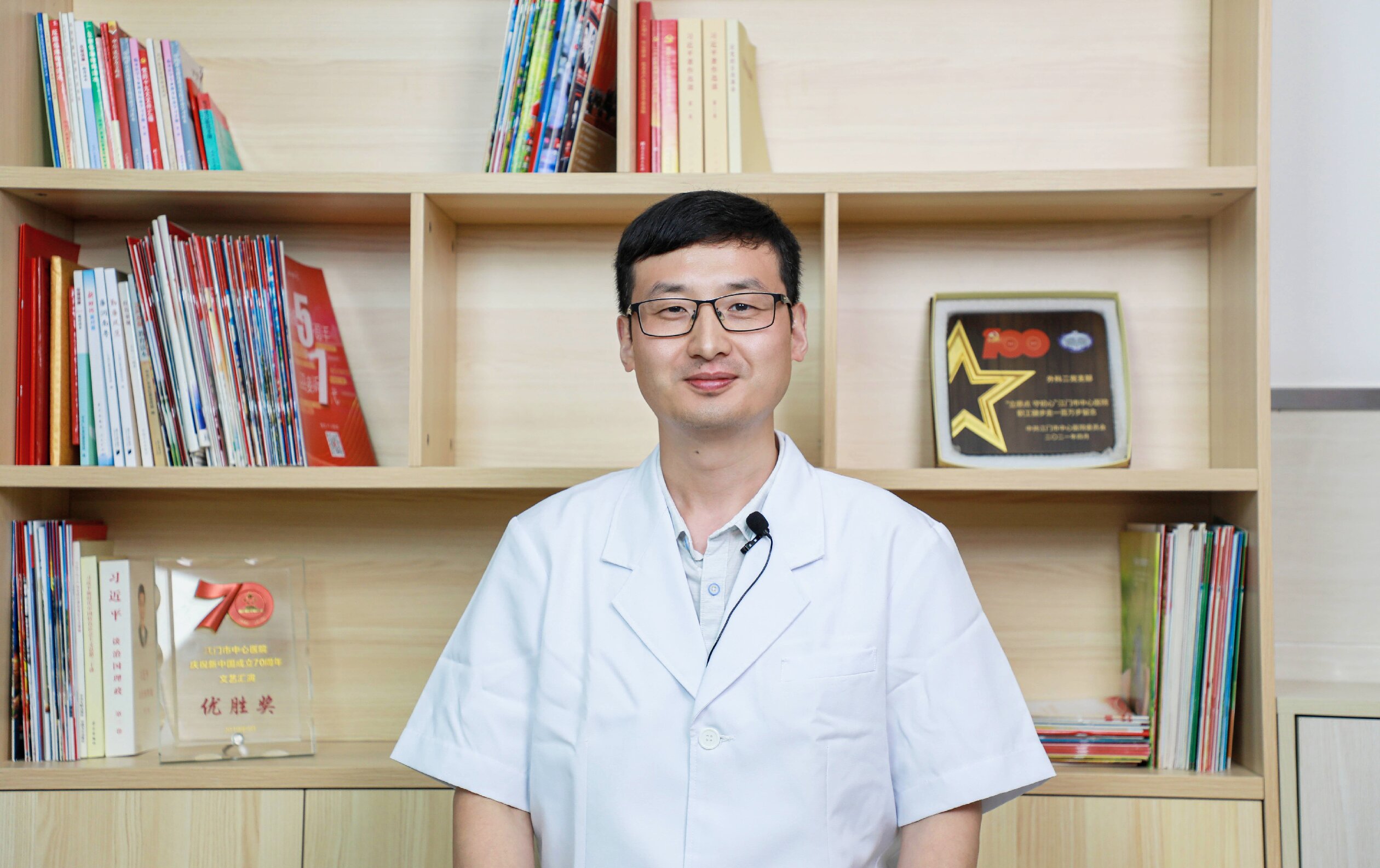
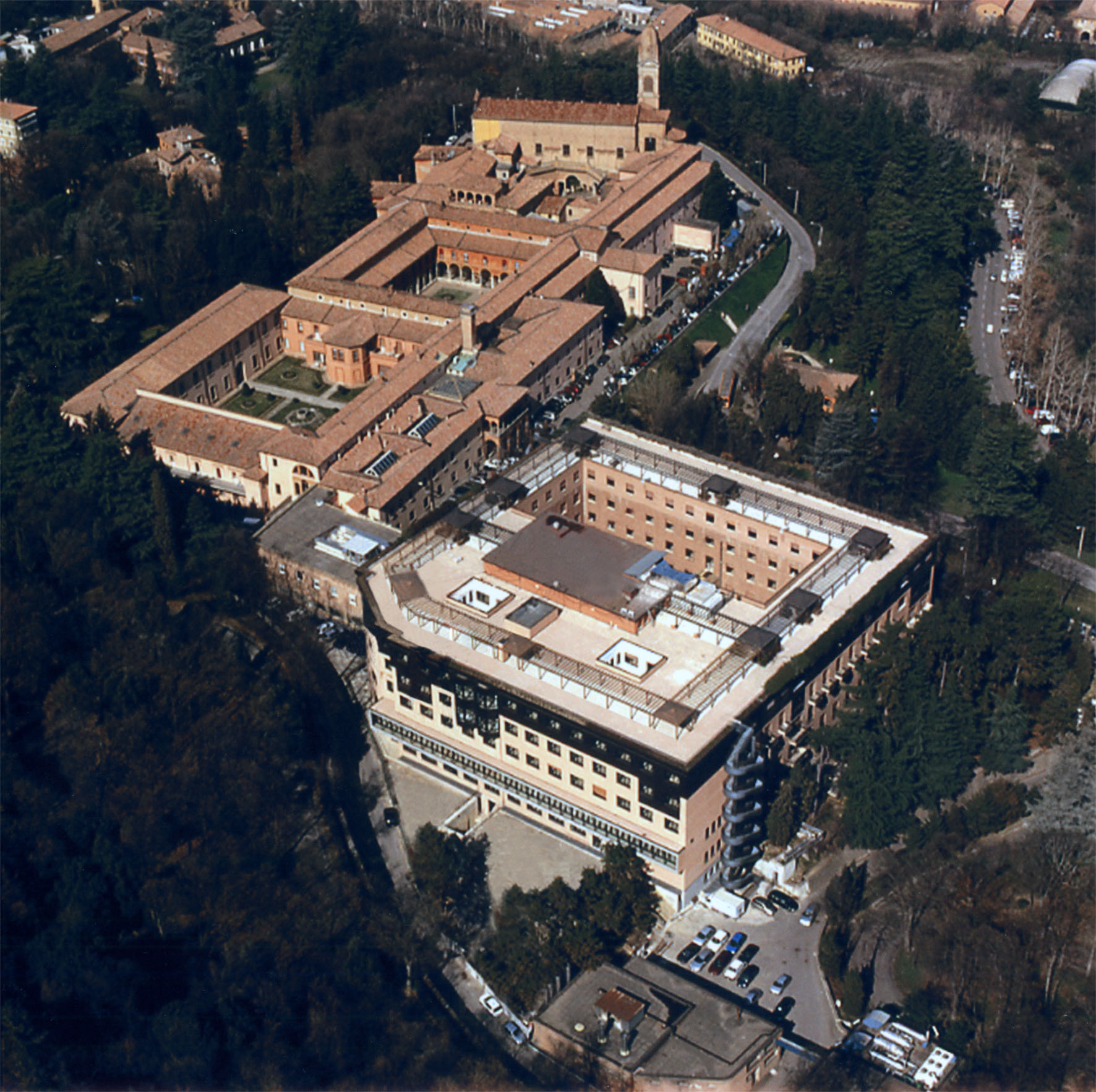
From January 4th to July 2nd, Dr. FU Zhaozong from Jiangmen Central Hospital had a fellowship to Rizzoli Orthopedic Institute in Bologna, Italy. Rizzoli Orthopedic Institute has been considered as the temple of orthopedics and was ranked the fifth in‘World's Best Specialized Hospitals - Orthopedics’ by Newsweek in 2023, and is the best orthopedic hospital in Italy.
In this interview of Healing with Benevolence, Dr. FU will explain why he would choose Rizzoli Orthopedic Institute for his fellowship and introduce his daily work and gains at Rizzoli, one-on-one lecture from Prof. Boriani, and interesting episodes during his six-month fellowship in Italy.
Rizzoli Orthopedic Institute Introduction
The Rizzoli Orthopedic Institute is a highly specialized hospital and research institute in the field of orthopedics and traumatology. The strength of the institute is in the close integration between the treatment activities (every year receiving more than 150,000 patients and carrying out about 15,000 admissions) and the scientific research activities (by doctors, biologists, engineers and other professionals operating in 10 research laboratories). The institute is also a university teaching center.
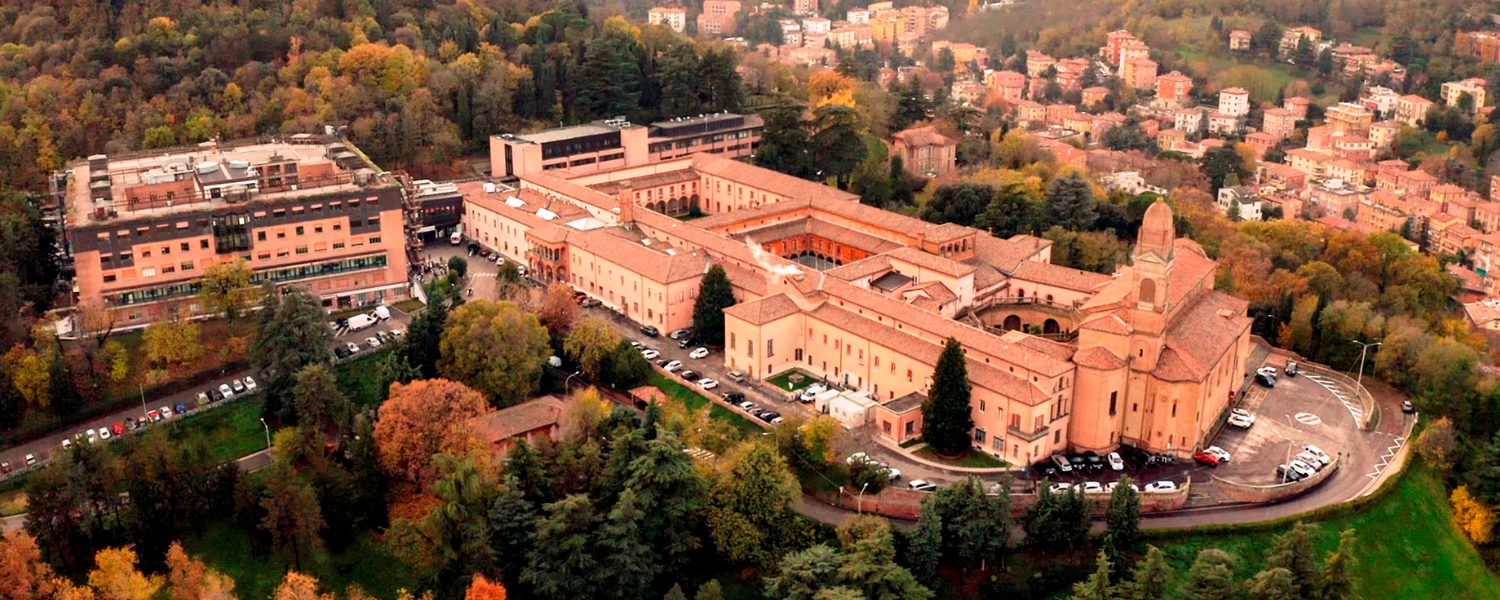
The Rizzoli Orthopedic Institute has 344 beds. Patients come from all over Italy and abroad. More than 1,400 people, including 154 doctors, work at the Rizzoli Institute.
The Rizzoli Institute was founded at the end of the 19th century by the famous Bolognese surgeon Francesco Rizzoli, who purchased the convent and the hill of San Michele in Bosco entrusting a bequest to the Province of Bologna in order to build a hospital specialising in orthopedics there.
Inaugurated in 1896, it soon became one of the best orthopedic hospitals in the world in terms of size, equipment, organization, research and teaching. This well-deserved fame was due above all to Alessandro Codivilla and Vittorio Putti, the first directors, who created a prestigious school of orthopedics with numerous students in Italy and Latin America.
Inpatient and clinical activities are organized in more than 30 operating units, grouped into two departments:
Orthopedic-Trauma Pathology Department
Special Orthopedic-Trauma Pathology Department
In addition to basic orthopedic-traumatological surgery, highly specialized operations are performed in the treatment of tumors of the musculoskeletal system, pediatric orthopedic pathology, spinal, foot and upper limb pathology, sports pathology, degenerative joint pathology of the hip and knee, and the diagnosis and treatment of rare skeletal diseases.
At the Rizzoli Orthopedic Institute there is also a Musculoskeletal Tissue Bank for the collection, preservation and distribution of musculoskeletal tissue. This bank is a reference center for the Emilia-Romagna Region.
The Rizzoli Institute is a place of great significance in the orthopedic world, which young and expert surgeons should seek to visit and experience, as this is one of the temples of orthopedics.
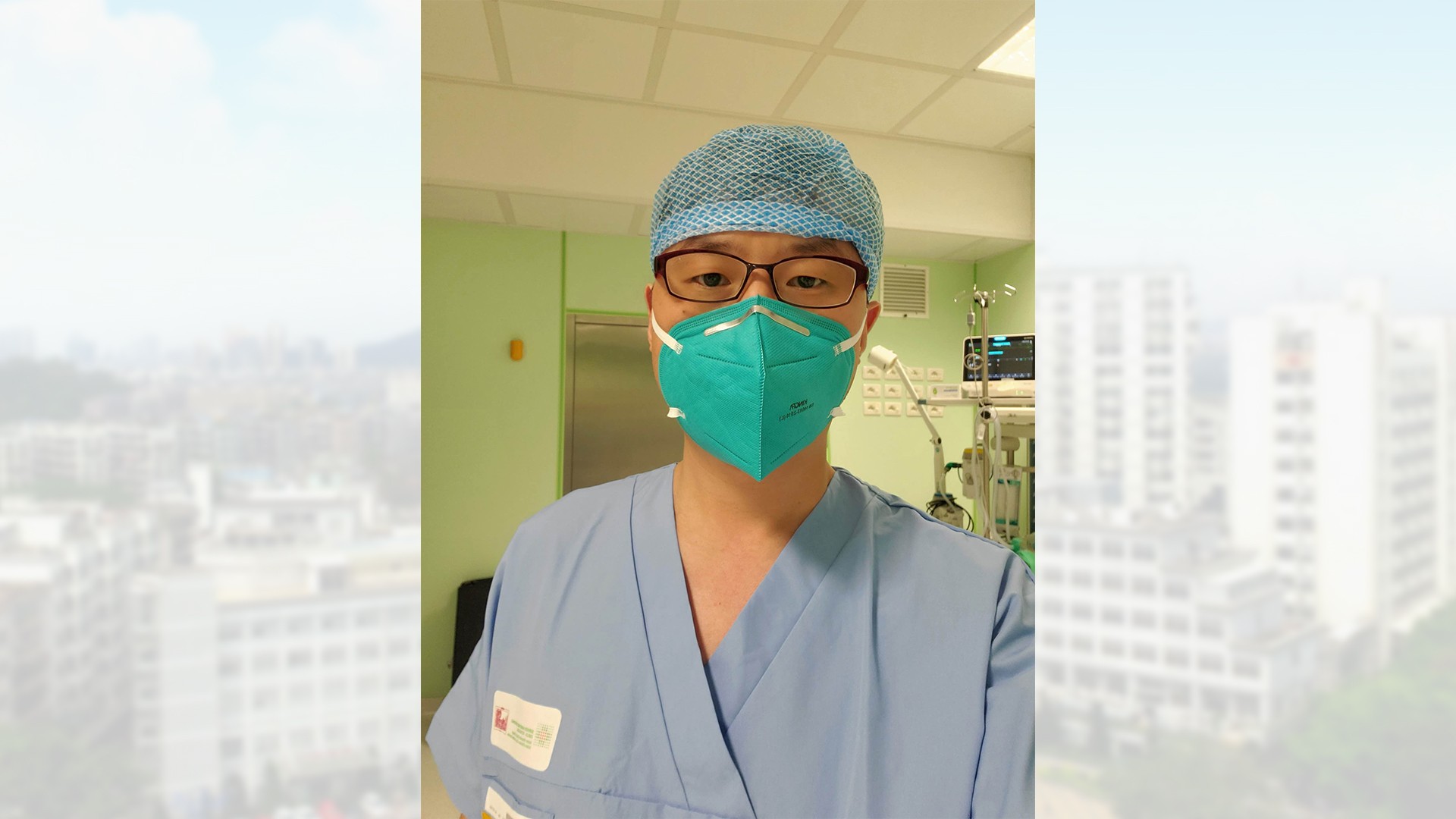
1. Why did you decide to study abroad as a visiting fellow? How did you think about fellowship at that time?
About three years ago, I went to one of the best spine surgery departments in China to study as a visiting fellow. One day I received a phone call from a mother. She heard that I was studying in that hospital and turned to me for recommending her a professor to treat her child’s disease. Her child was only 11 years old and was diagnosed with spinal tumor. After knowing more about her child’s condition, I realized at once that it was a highly malignant tumor. And the prognosis could be bleak especially for such a young patient. But as a doctor, I had to tell the mother the truth. Before my voice fell, the mother had cried too hard to speak. And I also felt very bad. In fact, the mother and the whole family had known about the situation. But they still wanted to fight for it, trying to look for the best treatment with first-class techniques. Despite all the efforts, distance and expenses, they tried their best to save their child. The child was just 11 years old! A stage where life has not yet completely started. And the child had to face with the end. It was a very desperate situation. After that, I have kept thinking about what I can do. The first thing maybe is to improve myself; So that I could be stronger when facing with diseases; And I could catch up with the standard of outstanding experts in terms of professional competence. By doing so, I could offer the patients around me more chances for treatment, so that there will be less regrets.
2. Soon after the COVID-19 pandemic ended, you set out for the fellowship. We know that you went on the fellowship with purposes. Why did you choose to focus on spinal tumor?
Yes, I went there with learning objectives set by our hospital. First and foremost, I want to thank for the support from the leaders of our hospital. The COVID-19 pandemic of these years has put forward new requirements for the hospital’s mode of work and medical services. So it is very challenging to study in Europe. To meet the demands of constructing a high-level hospital, and with the overall goal of promoting high-quality development for our hospital, our department has its own mission. With the support from our hospital, the Spine Surgery Department is the best one in Wuyi Region and also is the fastest growing one. As the medical center of the region, we hope to make breakthroughs in treating complex diseases and performing highly difficult surgeries. And having the competence to treat spinal tumors is one of the criteria of high-quality diagnosis and treatment level of spine surgery department. So this choice meets the developmental demands of the hospital and is inevitable in response to the department’s development. According to the disease spectrum, the number of spinal tumor patients grows, and their requirements for life quality and expectation for treatment outcome keep raising. What people care the most is how to improve the treatment outcome and get a better prognosis. So to further study spinal tumor is also an inevitable choice based on people’s need.
3. Why did you choose to study at Rizzoli Orthopaedic Institute in Italy?
In one academic event, I got to know Prof. Boriani, a world-known specialist in orthopedic oncology. The WBB surgical staging system, known as one of the most significant theories in spine surgery, was put forward by Prof. Boriani. It has been playing an important part in clinical practice over the past few decades. After my acquaintance with Prof. Boriani, I did lots of research on his team as well as the field of spinal tumor. Then I found that Rizzoli Orthopaedic Institute was a very good choice. Several decades ago when the surgical tools were less developed, they had begun to do top-class surgeries for spinal tumors. With the joint efforts of the three generations, Prof. Boriani, his mentor, and his students, Rizzoli Orthopaedic Institute has performed 20,000 bone and soft tissue tumor surgeries, and has become the most famous hospital for treating bone tumor in Europe and even in the world. They also have built a complete, advanced, and strongly operable theoretical system for the treatment of primary spinal tumors and spinal metastases.
4. What goals did you set before your departure for the fellowship?
Since I decided to go for the fellowship, I wanted to achieve all the goals. Specifically speaking, the first goal is to learn to treat common tumors with high efficiency. The second one is to learn to treat complex tumors safely.And the third is to broaden the horizon and reflect on what I have learned. For example, one of the big surgeries of spinal tumors is the total resection of a tumoral mass, which is called en bloc resection or TES. There are mainly two surgical techniques to do the surgery, one is total en bloc spondylectomy (TES), proposed by Tomita from Japan. The other one is en bloc resection with a good margin, proposed by Prof. Boriani from Italy. The latter one is the focus of my study during my fellowship. I was taught about the former one, TES, in China. Now I want to learn how the team of Prof. Boriani do en bloc resection. From some literatures, we found that according to the data from Europe, especially from Rizzoli Orthopaedic Institute, the prognoses of their patients are better. In some cases of common malignant tumors, they can even collect follow-up data for more than one or two decades, which is a rather ideal situation. So I am intrigued and motivated to figure out why they can achieve such great long-term effects as well as to learn about their process of diagnosis and treatment.
5. As the fellowship ended, what’s the biggest gain during your fellowship?
It is not about certain high technology or ‘unique skill’ that people think it is. The first thing I think is their mentality -- ‘people-oriented’, to be specific. Europe has a relatively better public welfare system and a more scientific healthcare system, people’s attitude towards medical care is nicer in this environment, and doctors’ work mode is also better. The process of diagnosis and treatment is simple and concentrated, centering on the demands of ‘patients’, and is people-oriented. Due to the different population size and national conditions of China, We have many problems in regards to our healthcare system that we have been exploring many ways to optimize it in these years. No matter how, as a doctor, I still think that we should stick to ‘people-oriented’ and put ‘the needs of patients’ at the core. The second thing is their technologies, such as advanced theories, processes, and tools. It can be summarized into two main aspects -- standardization and innovation. Because of the complexity of spinal tumors, surgeries usually need systematic preoperative designs. Just like making design drawings for building houses, we have to perform spinal tumor surgeries following preplanned surgical procedures, which is different from other surgeries. The teams at Rizzoli will make very detailed preoperative plans and do every step well. The third thing is their mode of multidisciplinary cooperation which is common and mature. Spinal tumors might affect some important structures around them, Including vessels, pleura, lungs, as well as some viscera in abdomen and pelvic cavity. While doing wide resection, tumors affecting different parts of patients’ structures could be removed step by step through multidisciplinary cooperation, Just let the professionals do their own parts. Compared to surgical techniques and tools that we need to learn in the daily work, in my opinion, learning their advanced theories and clinical thinking are more essential.
As you just mentioned technological innovation, would you be more specific to this point?
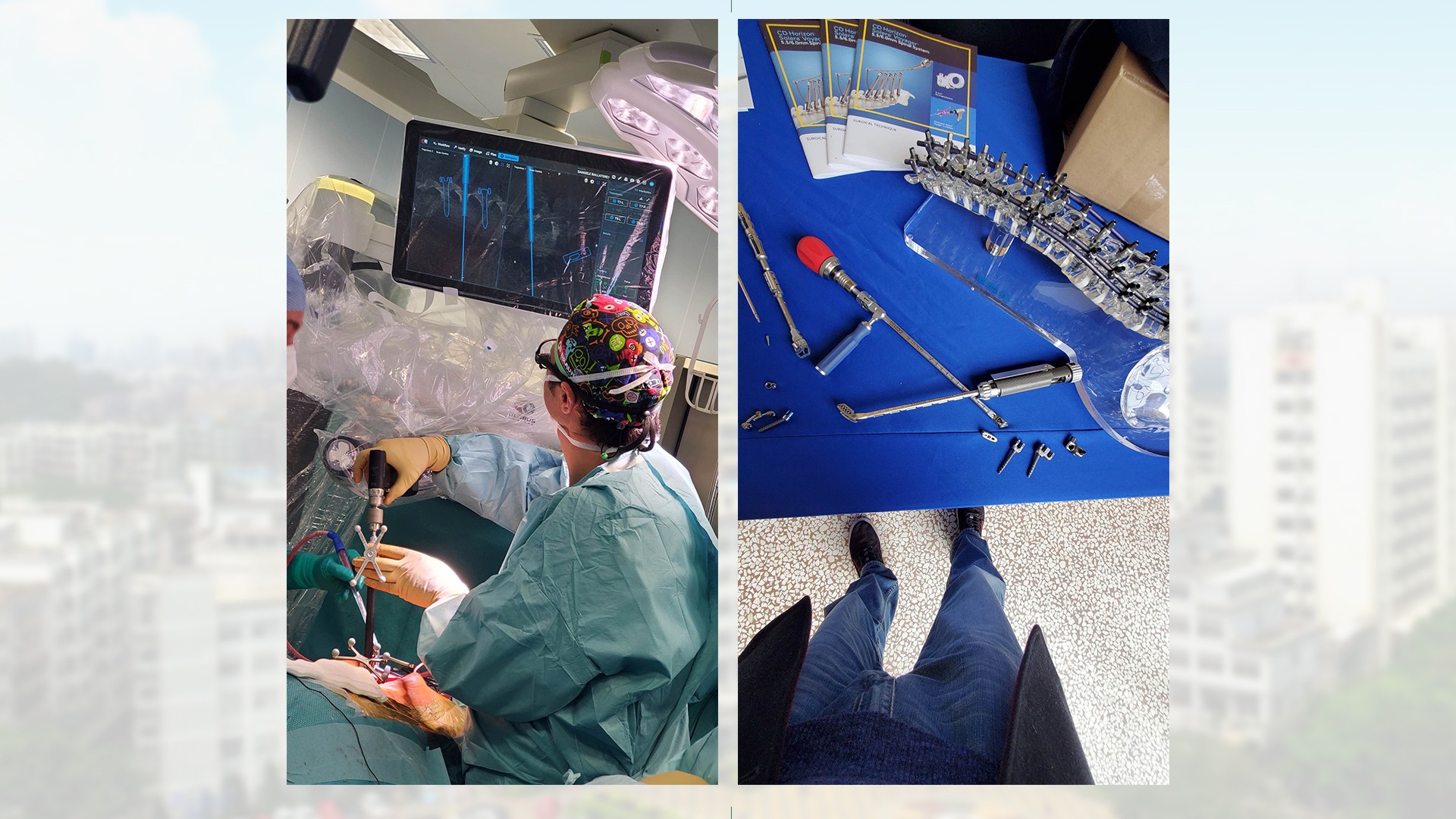
Such as the improvement of certain approaches and the inventions of some small tools. For example, when a vertebra is invaded or eroded by the tumor, we will put in a substitute to maintain its original function. Implants from mass production have some inevitable defects in size, shape, material, etc. Even if the prostheses are produced via 3D-printing, it may be difficult to use them during implantation. However, the team at Rizzoli invented some new prostheses, For instance, a locking structure that makes up of an implant with screws and rods; and a split-type prosthesis, making its installation in the surgery more flexible and convenient, similar to building blocks. Stuffs like these have been put into use for many years at Rizzoli. Of course, more crucial innovations are in treatment principles and processes, such as the staging system and surgical principles of primary spinal tumors, and the diagnosis and treatment procedures of spinal metastases. They are rather practical in clinical practice and can benefit both doctors and patients.
6. What should you prepare before the fellowship?
The first and foremost one is the mastery of languages, at least English. Since we have to stay abroad for a relatively long period, language barrier is the first difficulty that you should overcome. It is not only for studies, but also for fitting in the environment. The second is to learn something about the culture of the country that you will visit. to avoid small troubles and adapt to local life faster. Also, we have to live abroad for some time, so we should plan for basic necessities of life in advance. It would be of great help to download some apps and get familiar with the food culture and transportation there. Yet do not be too worried because big cities in Europe always have China towns, and many Chinese study, work, and do business there.So there will not be any big problems with living. The third point is, like we just talked about, to plan your learning goals and contents in order to organize your studies and work there better and achieve good results.
7. As you mentioned languages, what are the language requirements for the visiting fellows to visit a non-native English-speaking country?Was there any language barrier during your fellowship?
In Europe, it may be a common problem that many countries do not have English as their first language. The majority of Chinese doctors are educated in English (as a second language) during their studies, whether at the postgraduate, university or high school level. However European countries, such as Italy, Germany, France, Netherlands, etc., do not have English as their mother tongue. Of course, since we mainly study and work in universities or high-level hospitals, it will be okay to use English at work. But in life, ordinary people, especially senior citizens, do not communicate well in English. When I was in Italy, I fully experienced this and went through a process of adaptation. As I just arrived, I frankly told the doctors of my department that I could not speak Italian, but I wanted to learn some common expressions. Then they taught me with great enthusiasm. We also discussed about some universal languages, including body language, music and drawings. We would study some body languages in our spare time. For example, it was very interesting to see what gestures that Italians use to express happiness and fear, and how Italians count one to ten with fingers, and the differences between China and Italy.
8. How was the teaching during your fellowship? How did you feel?
As soon as I arrived in Italy, Prof. Boriani contacted me, helped me get familiar with the local transportation in person. Then he brought me to visit the hospital, and introduced me some of his friends in operating rooms.
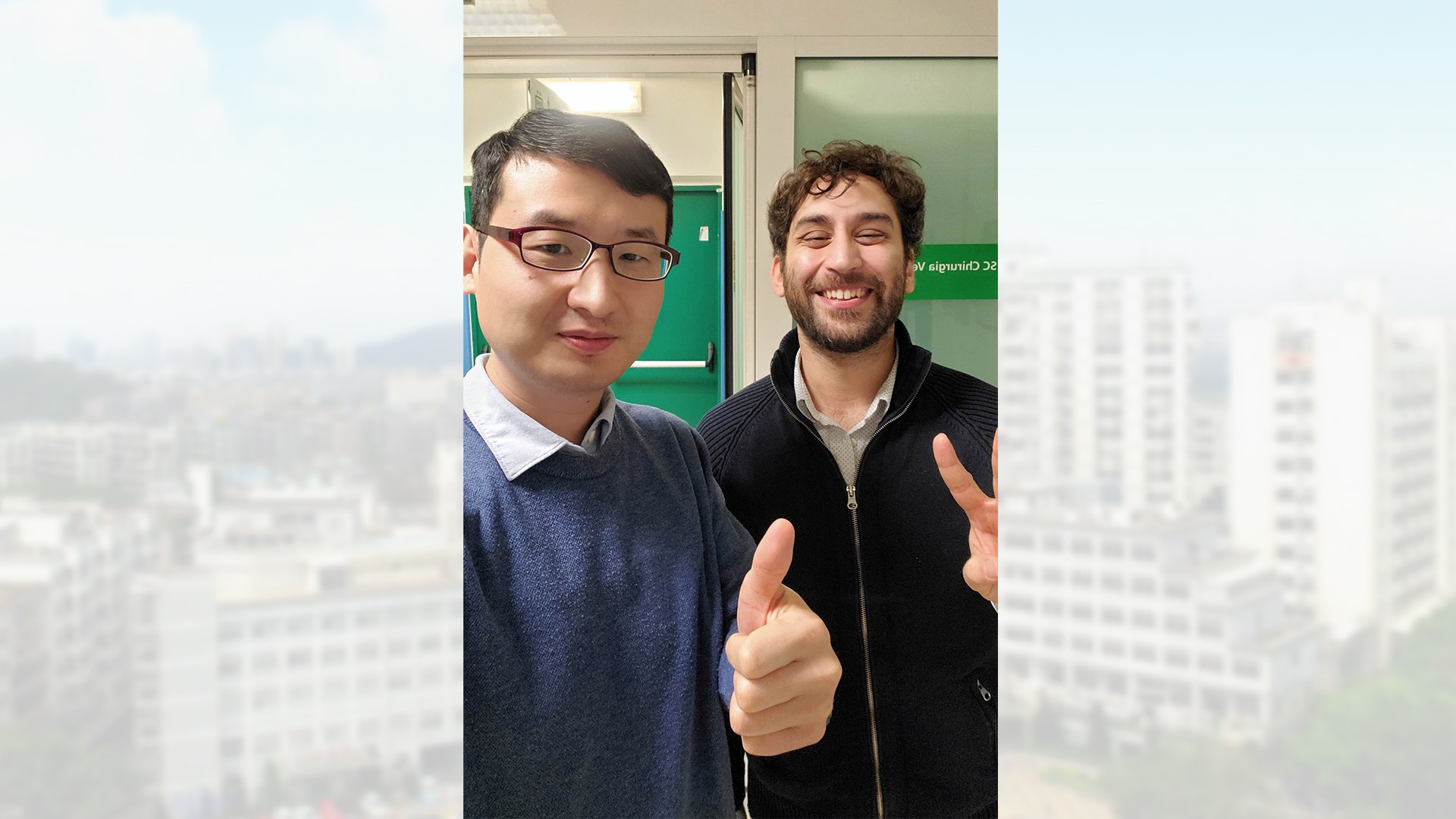
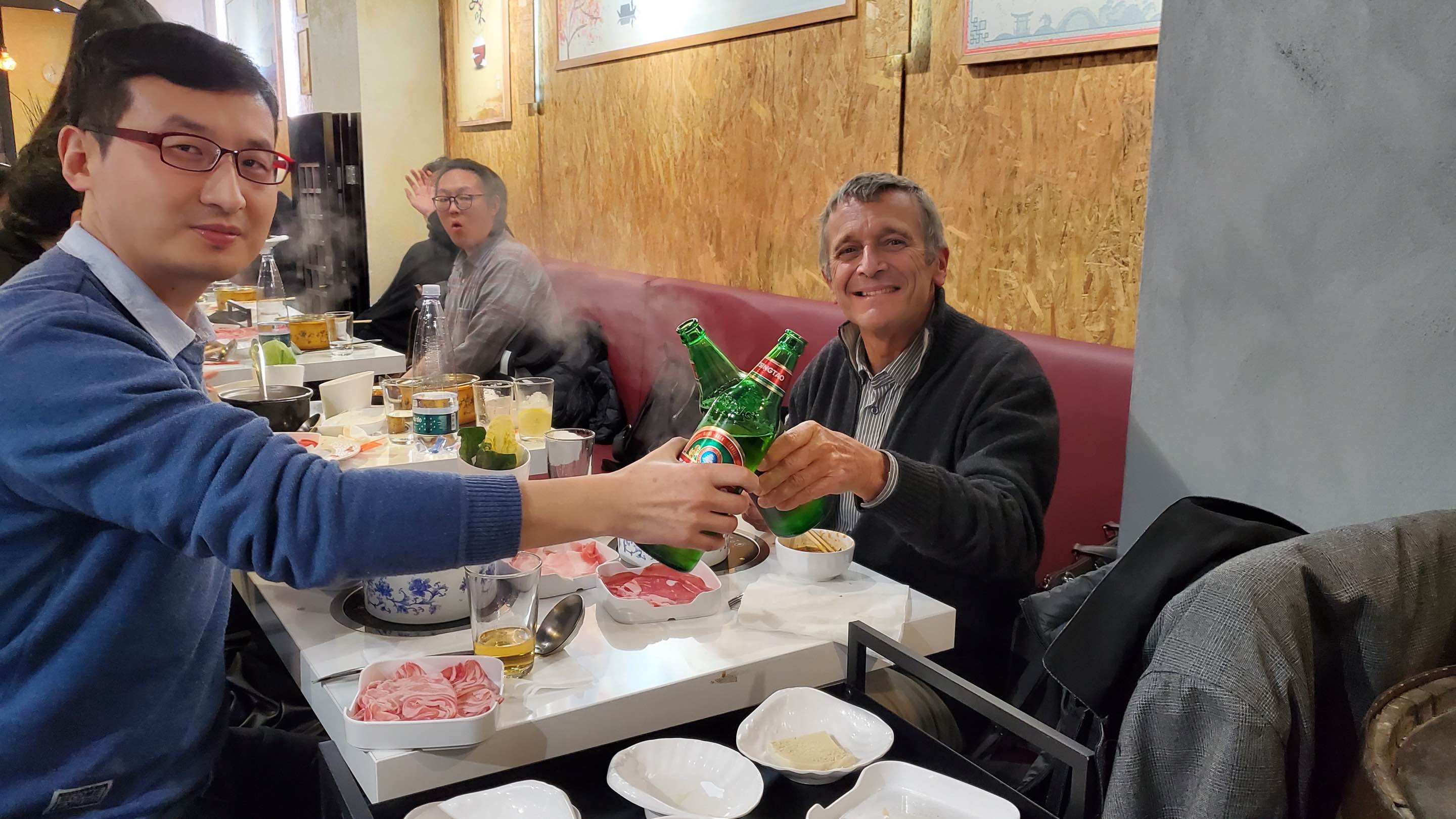
Later I knew a Chinese, running a shop in Bologna, who told me that Prof. Boriani often went there to buy things, and that a month before I went to Italy, Prof. Boriani had asked many about Chinese eating and living habits to provide better conditions for me to adapt to Italian lifestyle sooner. I was very touched after knowing that.
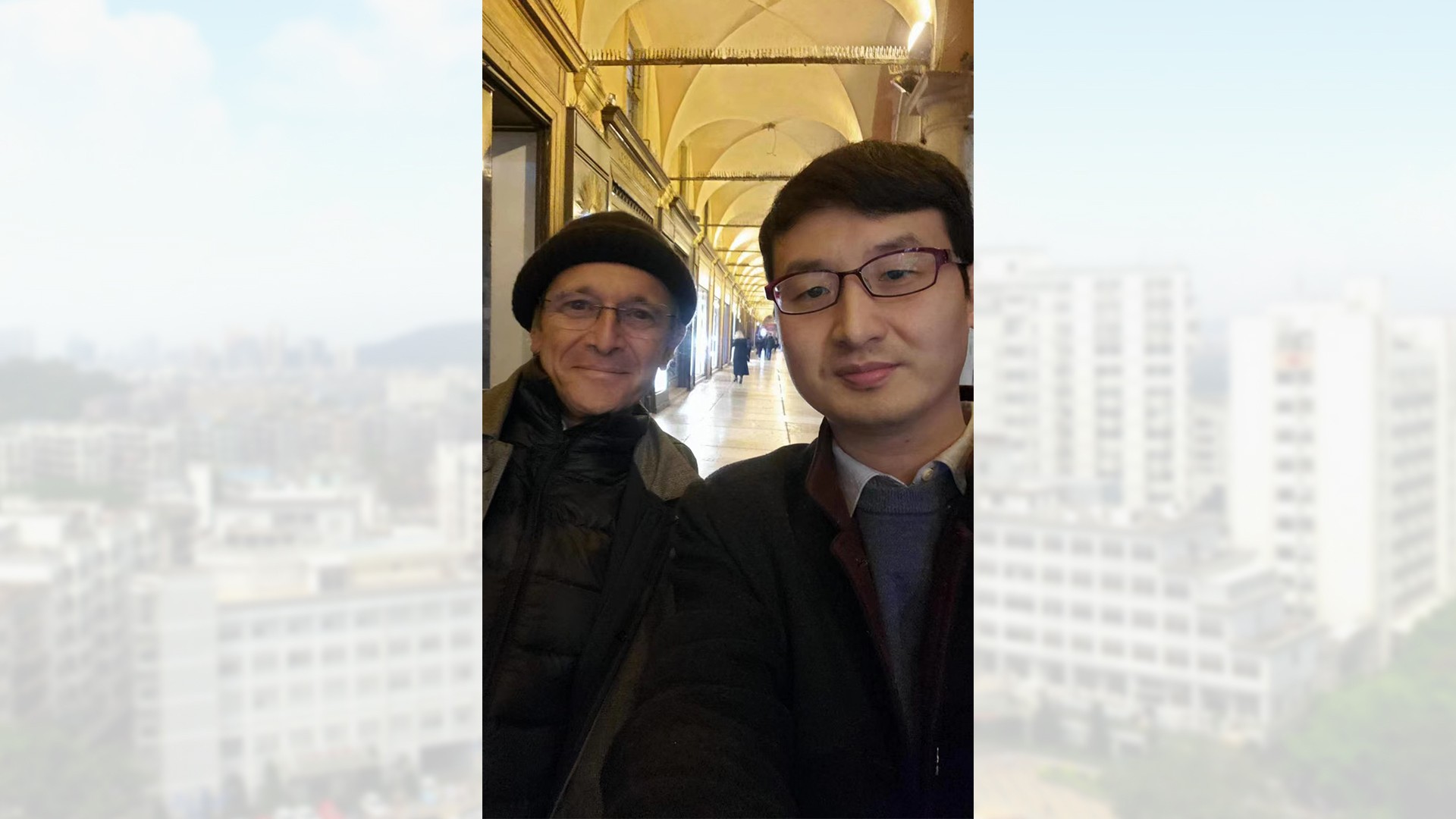
As for my studies, I took a lesson with Prof. Boriani every 1-2 weeks. The lessons were like small lectures or case discussions in China. Every morning, I did clinical work in the department, such as shift changes, case discussions, surgeries, and so on. The colleagues there were very enthusiastic and were willing to explain and communicate.
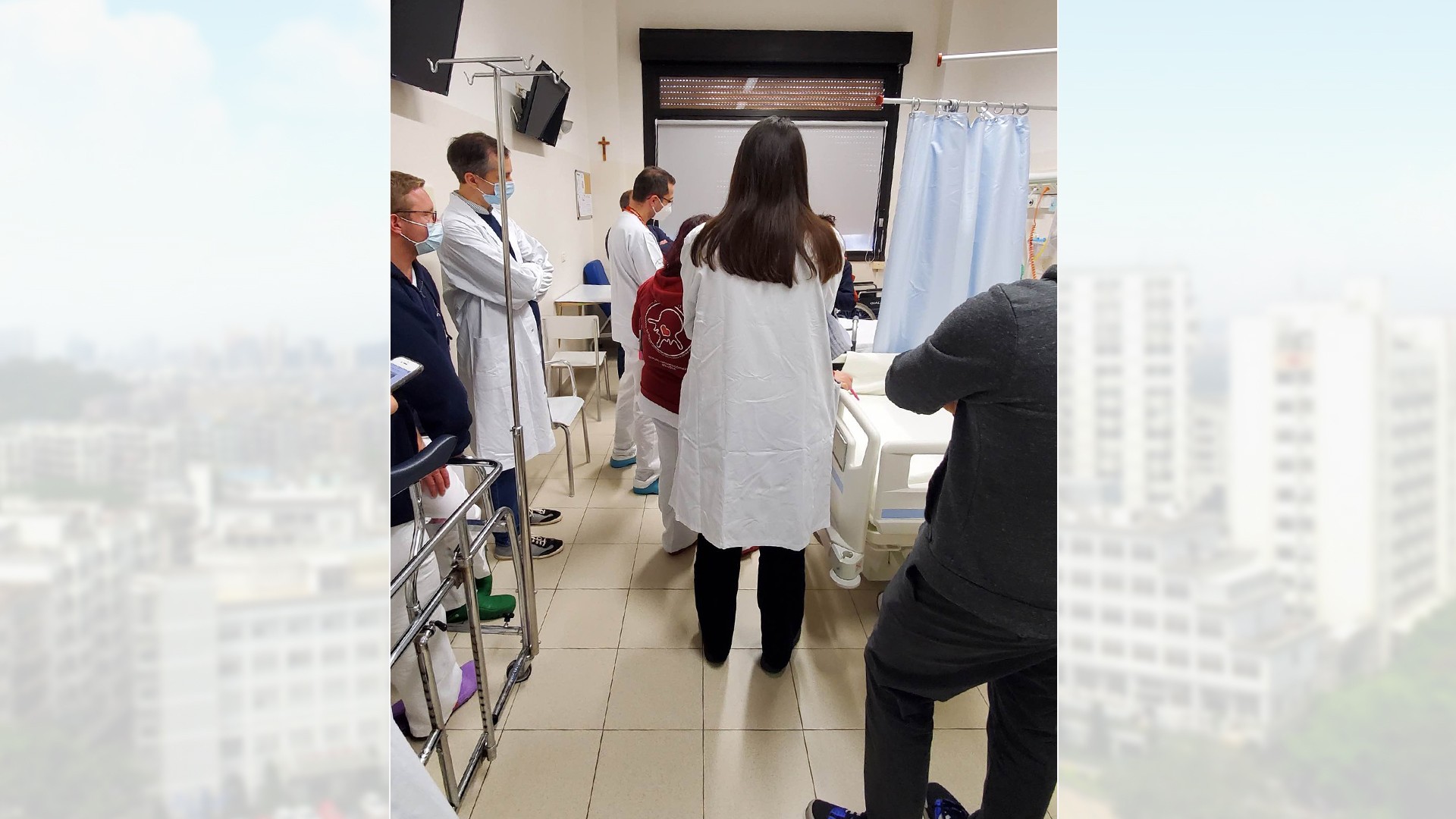
In April, a patient, who had undergone a surgery for spinal metastasis, had a new lesion in the lumbar spine that needed another surgery. After the discussion, I reviewed the case with another doctor. Then in the MR image we found an abnormal signal intensity in sacrum which could be another metastatic lesion. The doctors at Rizzoli all took it very seriously, reported it all the way to the director, then reread the image and had a discussion again. Later they specially explained the situation to me. Through small things like this, I can see their preciseness in teaching, full respects for the opinions of visiting fellows or students, and emphasis on participation, which will lead to better educational results. I still remember the first time I attended a surgery and the first time I attended a dinner party of the department. The young doctors at Rizzoli said excitedly to me that, “wow, you join us!”At that time, I was sure that it would be an extraordinary visit.
Was the teaching led by the director and Prof. Boriani jointly?
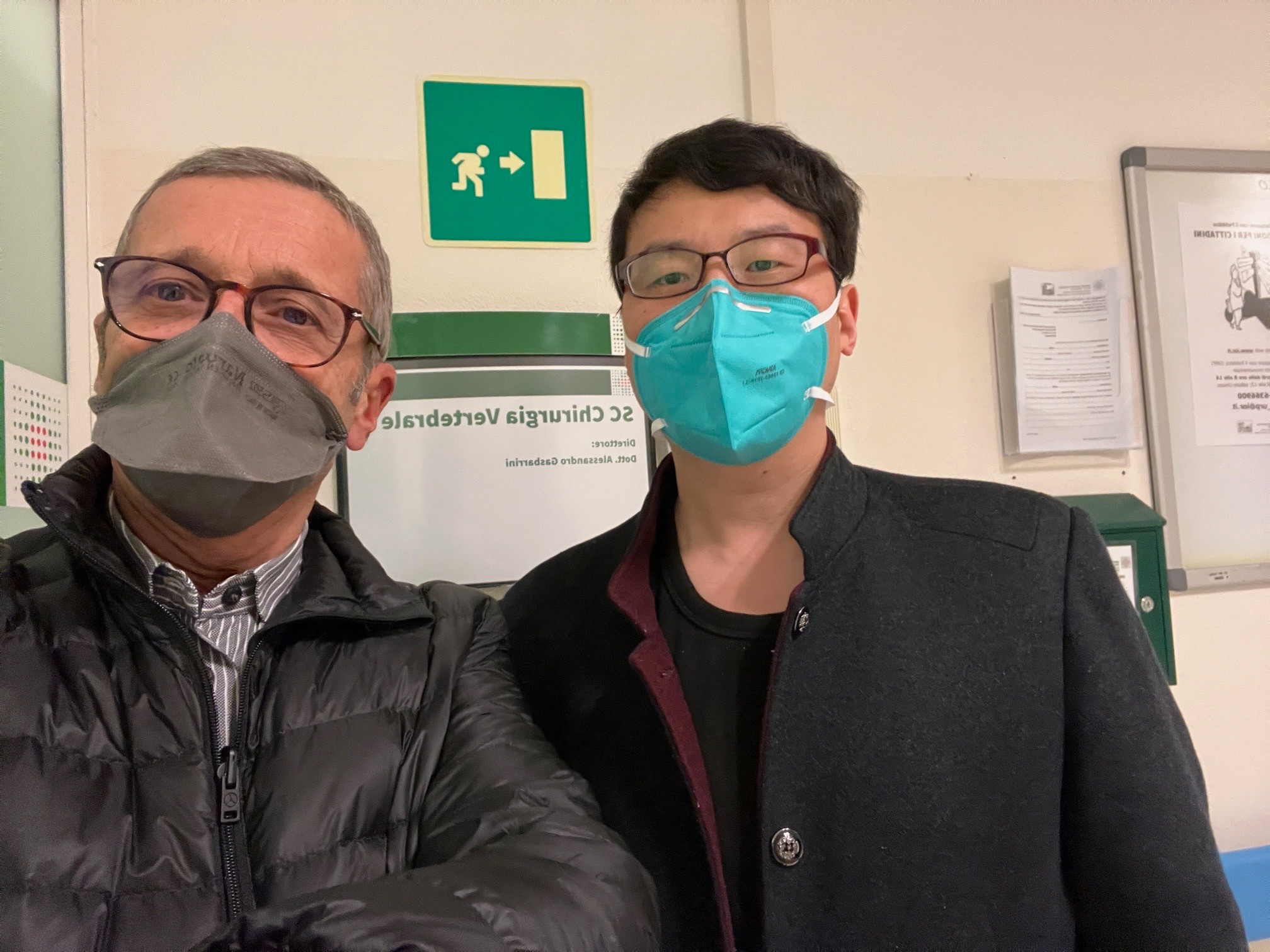
There are several medical groups in the department and each of them has different focus. For example, the group led by Prof. Gasbarrini mainly focuses on oncology. Since I do some common surgeries in China, during my fellowship at Rizzoli, I also participated or observed some surgeries that interested me. Rizzoli mainly receives and treats complex cases, so I spent nearly every day in operating rooms. After I got familiar with the work, doctors from other groups or departments would share with me some typical or special cases, and send me materials in advance to facilitate my participation in the surgeries later. The second part of my study was to have lessons with Prof. Boriani. We would talk about some theories and new progresses of the treatment of tumor. The contents were mainly about primary spinal tumors, and partly about spinal metastases.We also discussed some cases that I met during my daily work or complex cases that my Chinese colleagues sent me. There were some interesting coincidences. We had a schedule of the content of every lesson. And basically every time when we discussed about certain disease, I would receive a case of the same disease.
To give an example, once when the lesson was about chondrosarcoma, I got a case of it from the hospital in China. Then we first discussed the case, and then talked about relevant theories. And again when the lesson was about angioma, I received a case of aggressive hemangioma from my schoolmate. The cases came at a good timing. Prof. Boriani also felt very amazed.
9. What was your daily work at Rizzoli Orthopaedic Institute? How did you plan your free time?
I woke up at six every morning. It was very cold when I first went there. It was usually 0-4℃ in the morning, about the same temperature as inside a refrigerator. I wore a large down jacket and took a bus or walked to the hospital. Then shift changes started precisely at 7 a.m. During the shift, we reviewed the patients who underwent surgeries the day before and checked the conditions of special patients. The most important part was the discussions of surgical plans. For relatively complex cases, we made surgical designs on the spot. Specific procedures were: use an all-in-one multimedia machine to project the images onto the screen, mark the lesion, and start to draw the surgical plan. Then we made plan for the surgical approach, resection area, and reconstructive approach on the spot. It is like a strategic offensive map during war time. This is a good teaching method for the treatment of tumors, which is clear and instructive. Also, it is suitable for learners, especially those who can barely understand Italian.
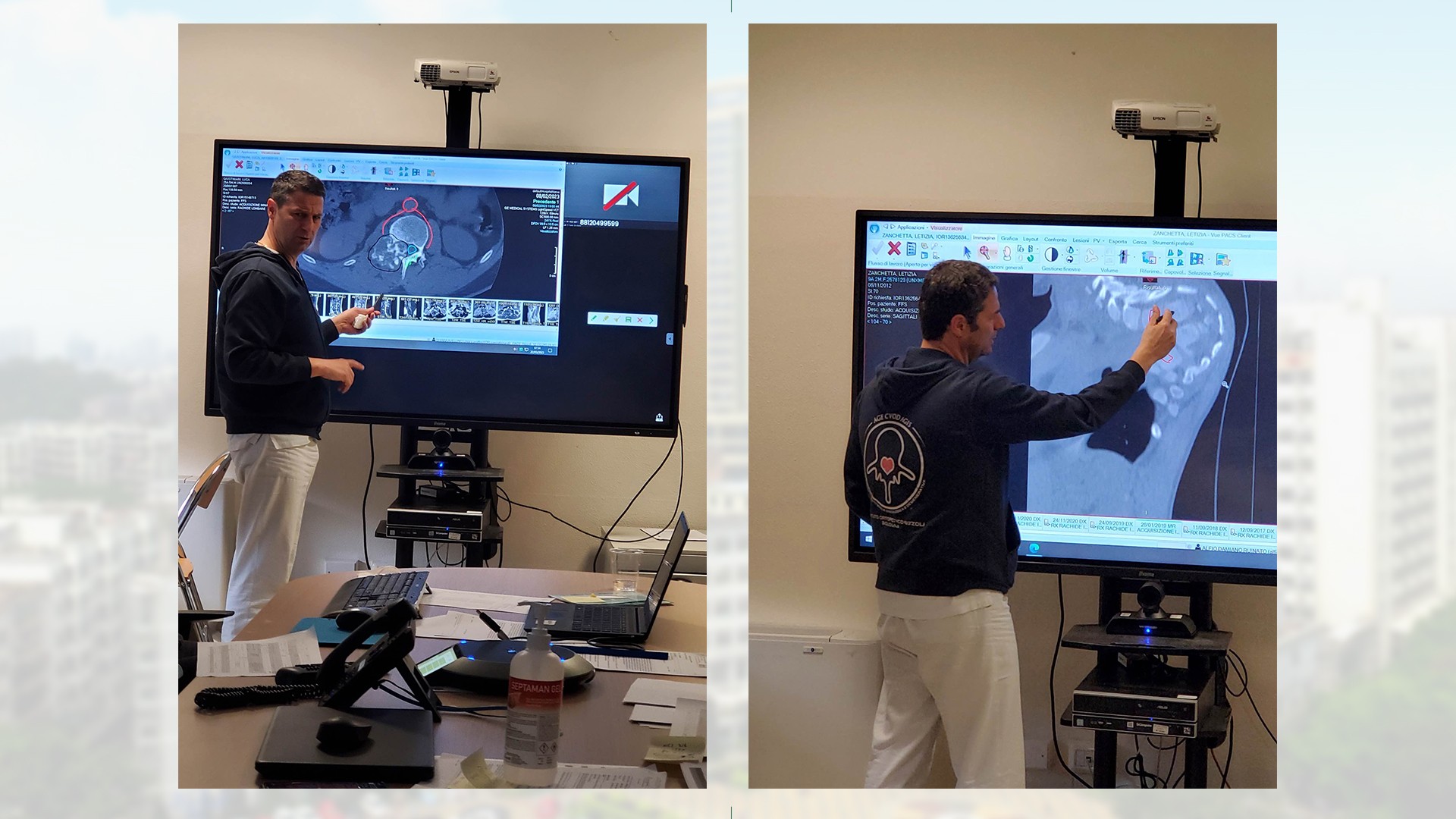
Rizzoli has several branches, similar to the Medical Treatment Alliance in China. And the branches would organize remote consultation via online meetings, which were also done during shift changes in the morning.
From 8:30 to 9:00, shift changes ended. Then it would be breakfast time when most doctors in the department would go to get some food and coffee. Coffee is important for Italians. A cup of espresso is a necessity for every morning.
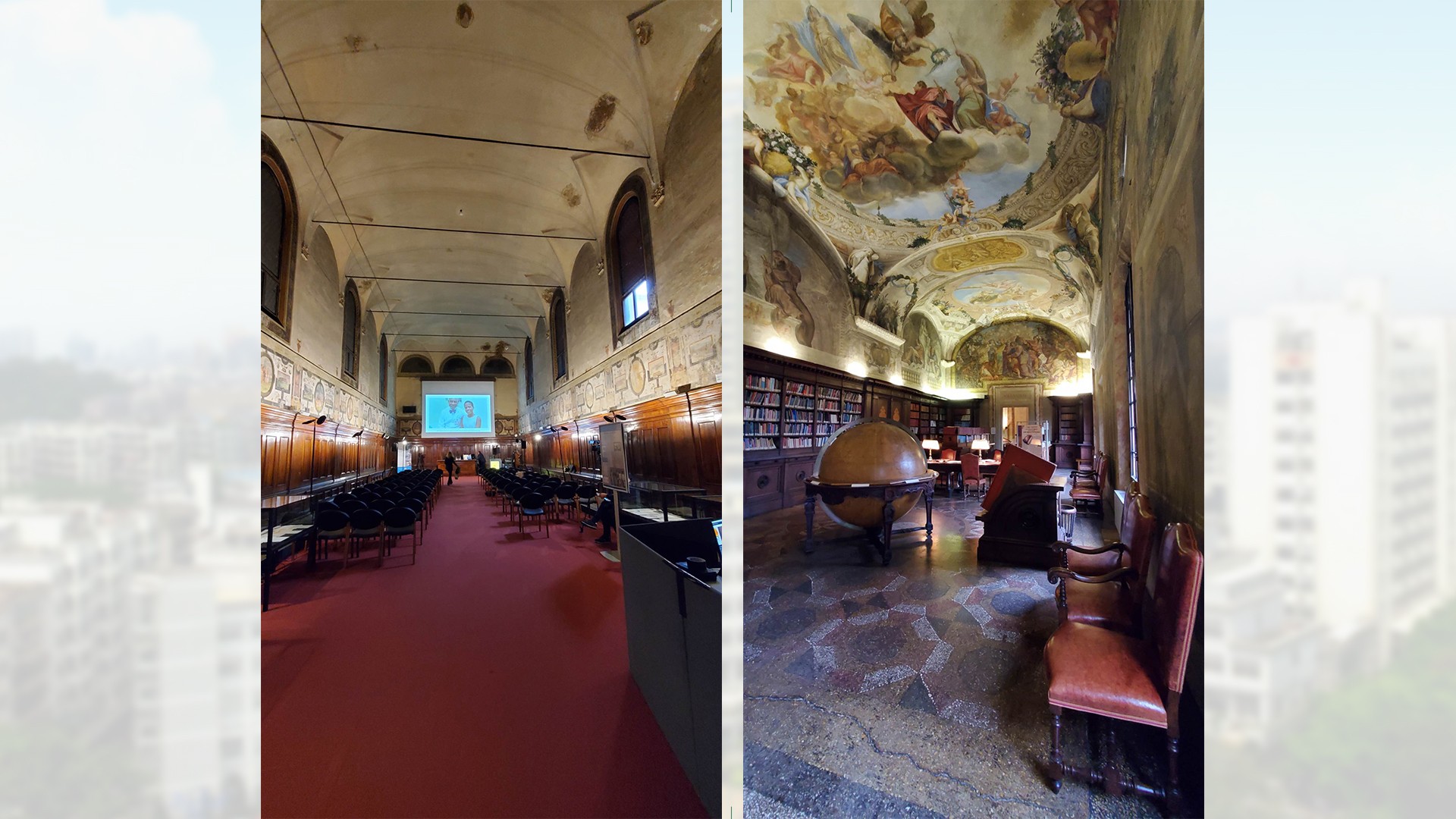
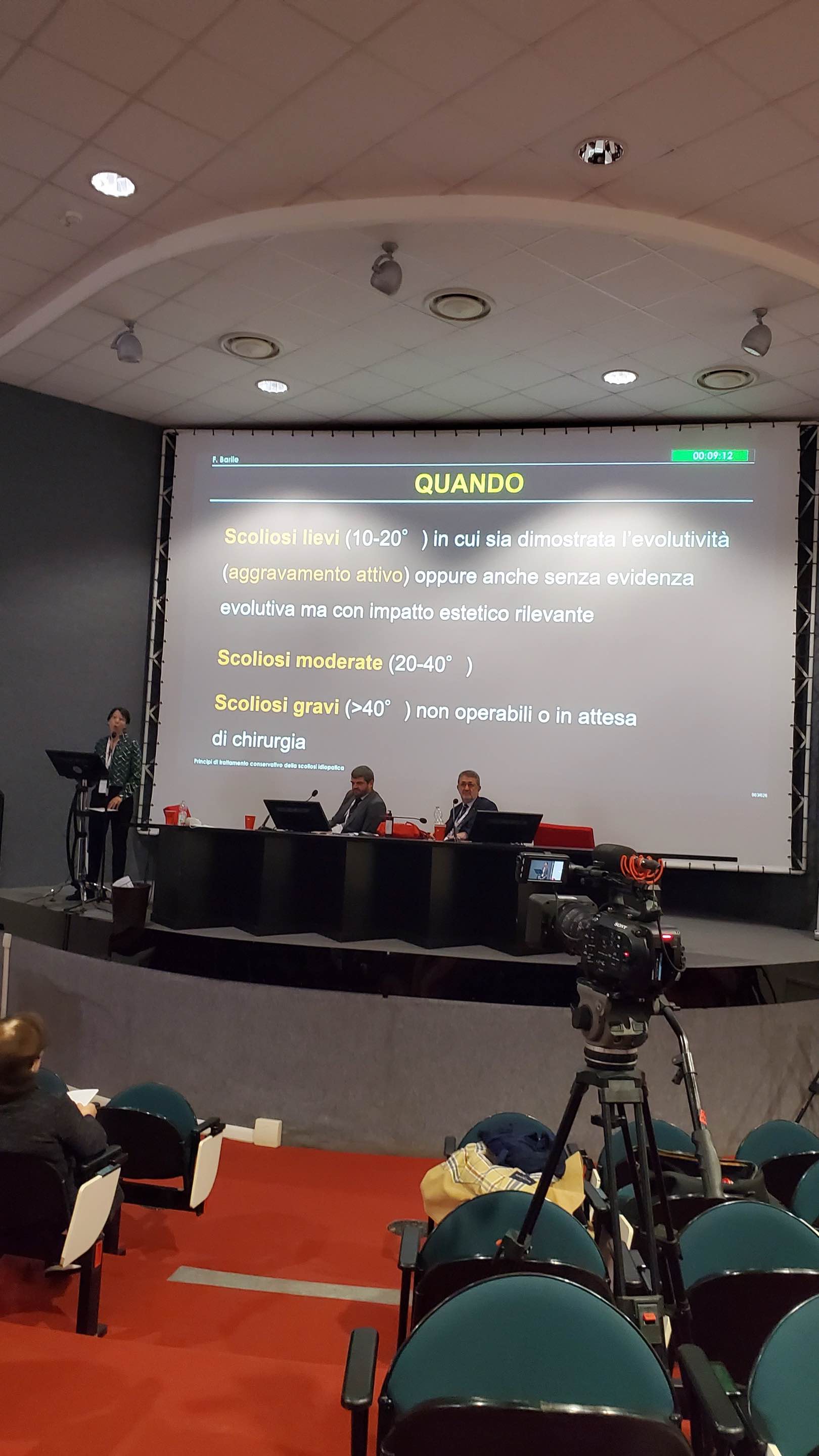
The third part of my study was academic meetings. During my fellowship, I attended two meetings. The first one was a national meeting, themed on new technologies of spinal tumor, including new surgical methods and internal fixation materials. The second one was led by Rizzoli Orthopaedic Institute, attended by the colleagues of the surrounding hospitals, and themed on tumors and scoliosis.
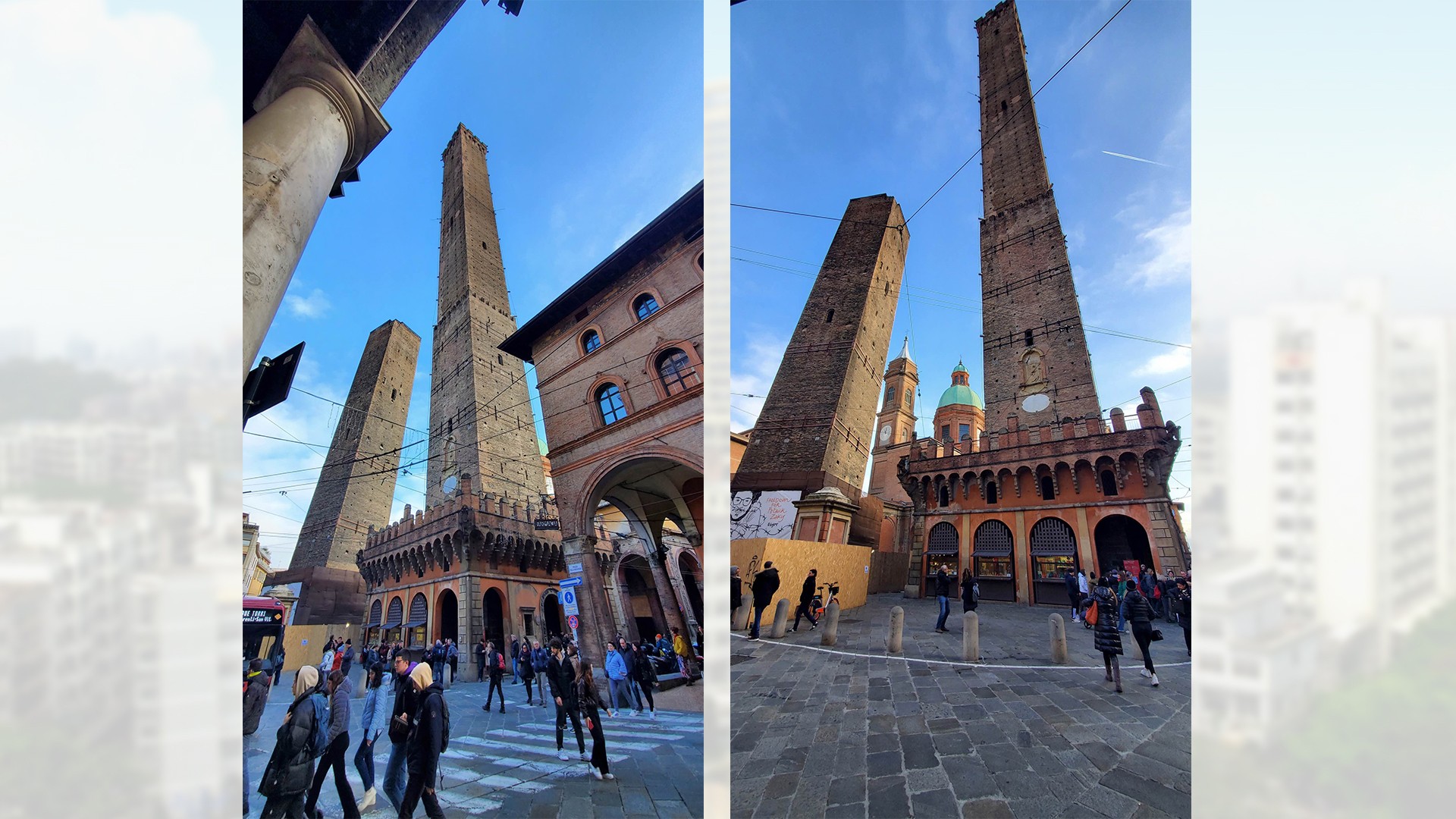
On weekends or vacations, I went on trips to neighbouring cities. Local doctors recommended me lots of places, like Rome, Florence, Venice, etc. Although I didn’t feel like travelling on my own before, I found it interesting after under the influence of my Italian colleagues. Italy has so many fantastic things, such as the grandness of Rome, the water city of Venice, the arts of Florence, and the sunshine of Tuscany... Compared with Chinese doctors, European doctors enjoy their life better and value the quality of life.
10. What are the differences between the fellowship at Rizzoli Orthopaedic Institute and at Chinese hospitals?
Firstly, at Rizzoli, when I was brought to an operating room or any new environment, there would be a relatively official ‘introduction’. As we first knew each other, we would introduce our name and our hometown. Then there would usually be someone making a joke of Italian humour. I felt awkward at first, but I also started to do it because I found it useful for warming up. Of course, due to cultural differences, this method is not suitable for every country, because some visiting fellows from other countries are very serious, and the atmosphere in the operating rooms is also serious. Secondly, Rizzoli pays attention to details. For example, there is a camera above every operating table for video broadcast. Normally there are two screens facing two different angles. If we are not doing the surgery, we can see the operation details on the screens via broadcast. Sometimes when the camera is shooting the wrong place or the images were lost, the staffs will actively adjust them with a remote control till the view is clear enough.
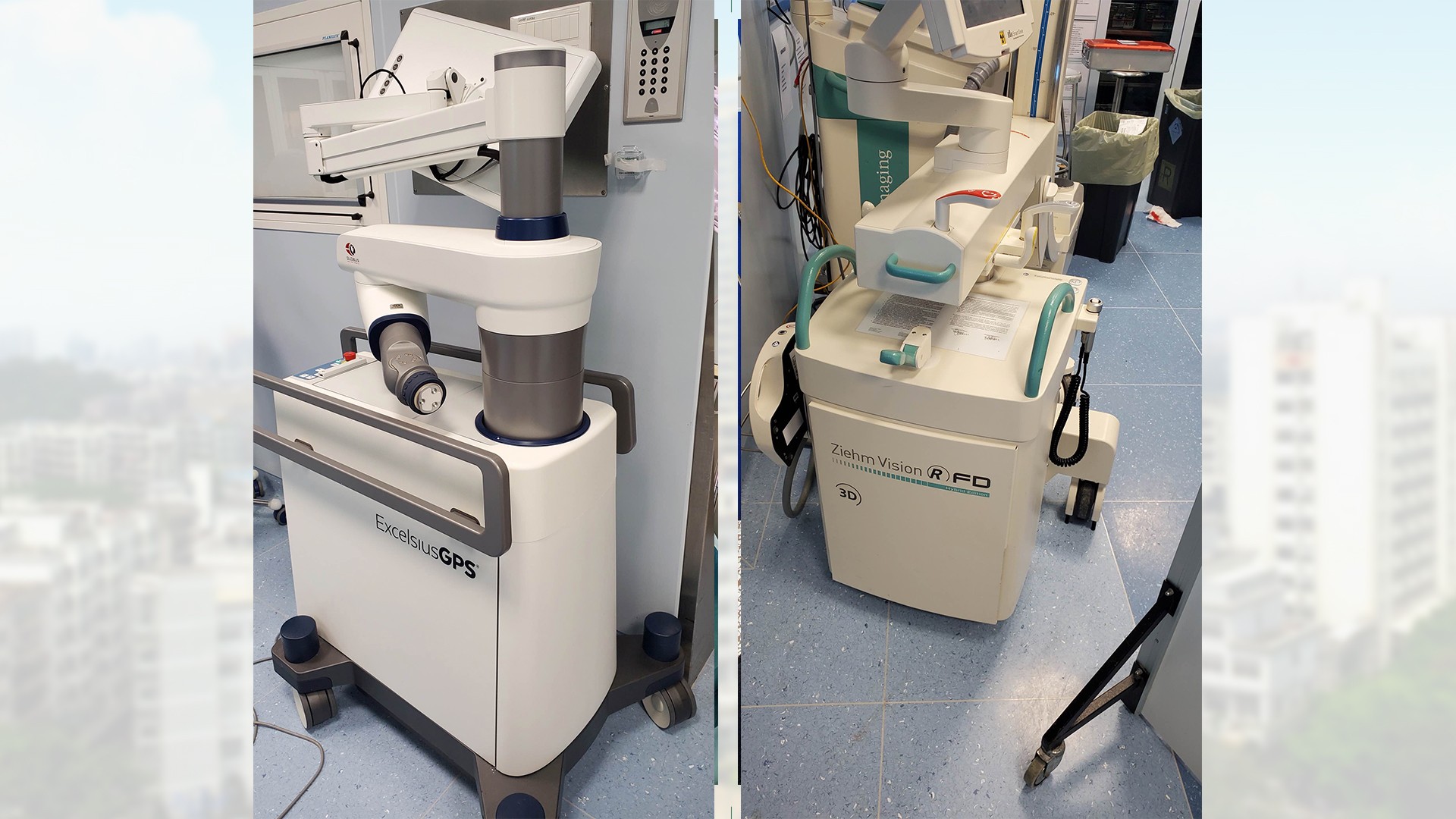
If you want to watch the surgery directly, let’s say, standing behind the surgeon, you often have to stand on your tiptoes to watch it clearly. When the nurses in the room notice this, they will bring you a small bench and let you stand on it. So I can feel that they do quite well with details. The design of their operating rooms shows the full considerations of efficiency and teaching. At the entrance of every operating room, there is an anesthesia room where patients have an anesthesia injection before surgeries. And every room has a multimedia and broadcast system, so X-ray images during the surgeries can be uploaded to the imaging station and be referred to in phased reviews. Thirdly, the teams at Rizzoli plan well. For one thing, it partly shows on the schedule of surgeries. Since Europe has an appointment system, doctors can arrange the surgeries. An appointment for a free inpatient surgery will be in a queue of about two years, so doctors can arrange their surgeries months in advance. Since I have worked as a surgeon for over ten years and would exchange ideas on certain cases with doctors there, so we quickly could get each other’s point of interests in surgeries. If there would be a very typical or complex surgery two weeks later, let’s say, they would tell me in advance, describe the case to me, and at the end remind me that, “you must be there. It is a wonderful case.”For me, I was given enough time to search for information and participate in discussions with focuses. For the other thing, they make detailed plans for treatment and surgeries, like the strategic offensive map I mentioned above. And they strictly follow the preplanned steps during surgeries.
11. Is there any impressive experience during the fellowship?
During the time at Rizzoli, I met a lot of cases. And I was impressed by one kind of feeling. We know that the style of Picasso’s representative work is surrealistic. What I felt at Rizzoli is similar to that, because I often experienced the process of breaking the logic of the past and constantly innovating. There was a case of primary thoracic tumor. According to the WBB surgical staging system, en bloc resection should be a regular and mature approach. Of course, it would be very invasive because many structures were to be resected. When we were making a surgical plan for the case, we found that it had its own features. Although the tumor had invaded a wide area, the anterior structure close to the spinal canal was still in good condition. Eventually, the team of Rizzoli decided to make a brand new plan for the resection. Its benefits were removing the tumor completely as well as preserving the normal structures as much as possible. Both the resection plan and the corresponding improvement of surgical tools were customized for the individual. I think it is the first case in the world. As the saying goes, innovation is the first productive force. This case should be the best explanation for the saying in the field of surgery.
12. If given an opportunity, will you go abroad for another fellowship or a long-term study in the future?
In the last month of my fellowship, I had a talk about this question with Prof. Boriani. During the most time of the previous period of my fellowship, I focused on clinical work, because they have lots of patients and complex surgeries, which is a rare opportunity for study. In the final period, I took part in two of their scientific research projects which gave me some new ideas in scientific research. But obviously the time was not enough. Their team also hoped that I could have another chance to study at Rizzoli, to exchange ideas and finish the rest of the research projects jointly with them.
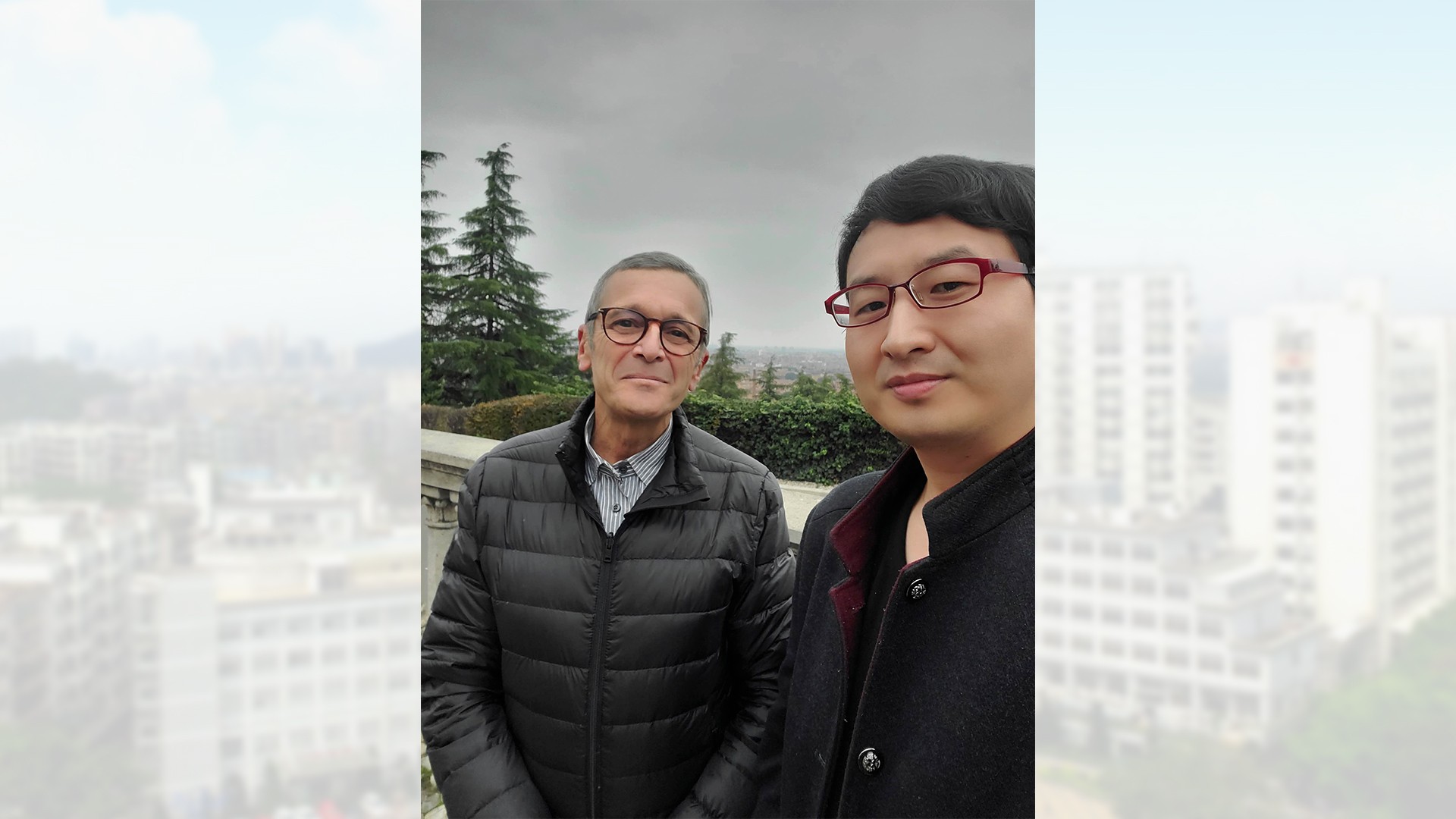
A plan for studying abroad is necessary from the perspective of theory and practice. It will benefit me more if I have a chance to study abroad after a period of clinical practice. It is to study with questions. Of course, in our work in the future, we will stay in contact and strengthen academic exchanges.
Anything else you’d like to say in the end of the interview?
Medical industry in China have been growing rapidly these year. Lots of theories emerge, and the medical field develops fast. A senior once told me that doctors in the future should have an international perspective. This experience gives me a lot of thoughts. If chances are given, I recommend our colleagues to go to abroad to experience different things and exchange our ideas with doctors from other countries. Then good ideas will come. In the end, I sincerely am grateful for the care I received from Prof. Boriani, whether on my study or life. As the old saying goes, “in studies, good teachers and good friends are precious.”I think I am very lucky to be a student as well as a good friend of a master in the field of spine. And welcome Prof. Boriani to visit China.