



Form:Read at Ten
What has happened to the earth since the outbreak of COVID-19?
Over these years, the COVID-19 pandemic has been raging around the world continuously, bringing an unprecedented challenge to all people around the world.
Recently, there was news related to COVID-19 posted on the internet, which reported an astonishing amount of cases. According to the Daily Economic News, “as of 4 pm on January 4, the United States had 1.13 million new confirmed cases of COVID-19 compared with the previous day, with 2,491 deaths”.
What is the meaning behind this news?
It means that in this blue planet, while you are reading this article, 13 people get sickened by COVID-19 every second, and 100 people die of COVID-19 each hour.

And it is only the statistic of USA.
Disease destroys a healthy body, causing a fresh live to end in a second. After the outbreak of COVID-19, how many people begin to realize that human beings are powerless and insignificant in front of nature?
But what if I told you that there was “somebody” who has experienced this living condition earlier before?
What if there were some species living in dangerous big environment, suffering unbearable harm earlier than human beings?
The data released by Xinhua news agency said that about 34,000 kinds of plants and over 5,000 kinds of animals are endangered now.
The world’s biological species are disappearing one by one each hour.
The United Nations Environment Programme (UNEP) has invited 1,400 experts to consult for the earth, and they all believed that the act of rapidly consuming the earth’s resources has put human’s survival on the edge. And they have a cruel conclusion that the sixth mass extinction has begun.
Some people suspect that COVID-19 is nature’s revenge on humans, which alarms humans to cherish our living environment and to take care of our home.
This speculation somewhat makes sense.
Have you ever seen the Year Earth Changed, the high score documentary published by Apple TV+?
In 2020, the peak of COVID-19 pandemic, 3 billion people had to quarantine at home, and a quarter of stores were shut. At that time, people stayed at home, and they no longer go shopping, travel or step out of home.
While human society was paused, something unprecedentedly happened—the earth was revitalized.
Global noise levels dropped promptly, and air quality improved significantly.
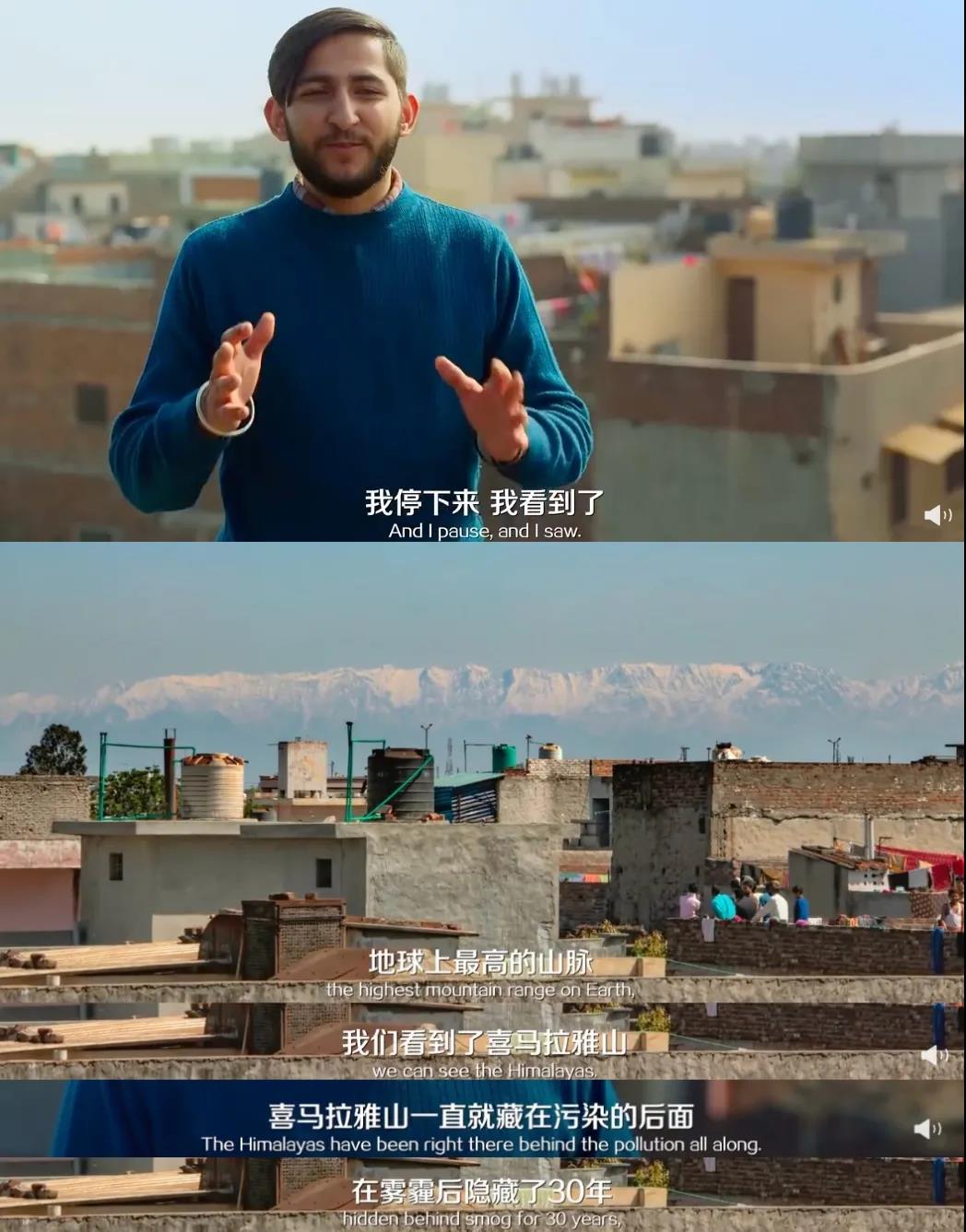
An Indian photographer climbed up the roof in the early morning, and he saw the Himalayas standing under the clear sky for the first time from 200 km away.
This highest mountain in the world was once hidden behind smog, but now it is back in people’s view.
After COVID-19, lots of people feel upset for not being able to travel.
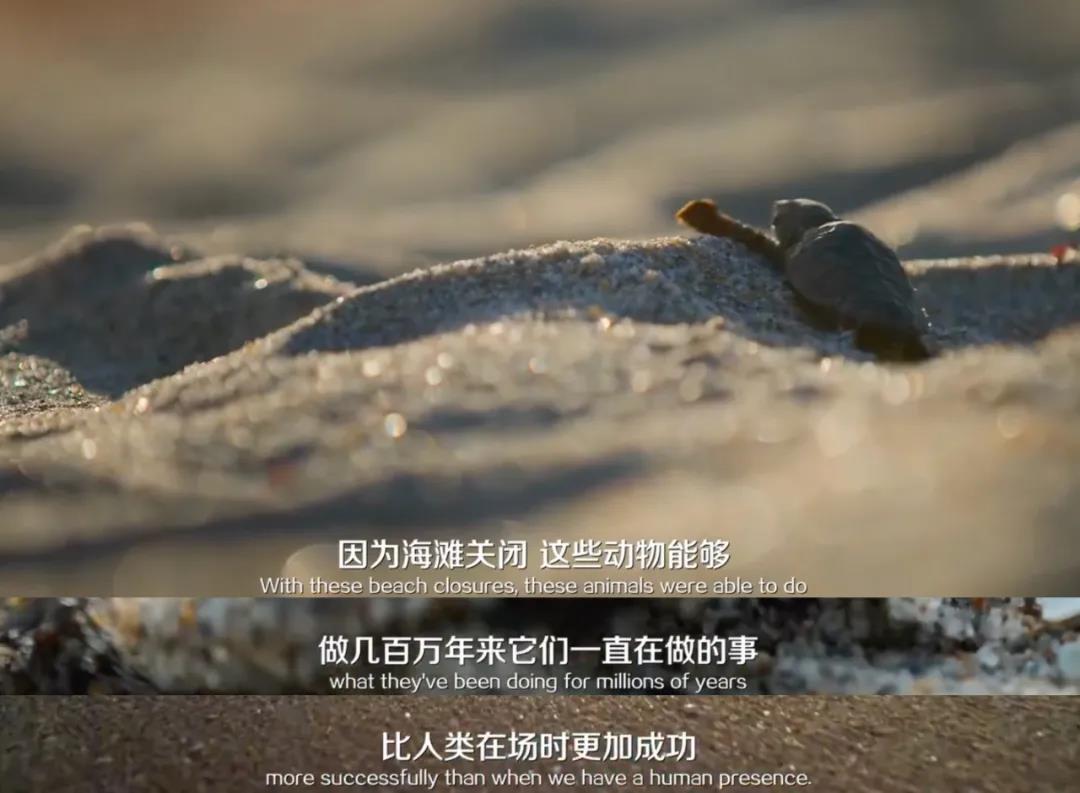
However, without massive human activities, turtles on the beach of Flo Rida have finally been able to do what they’ve been doing for millions of years——thrived in this land.
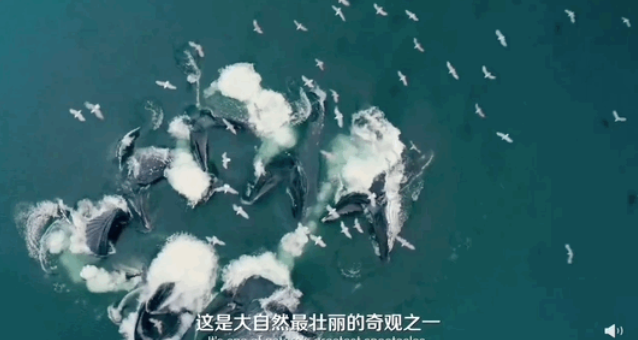
As the quarantine time gets longer, humpback whales lead a free life in the ocean without being bothered by humans.
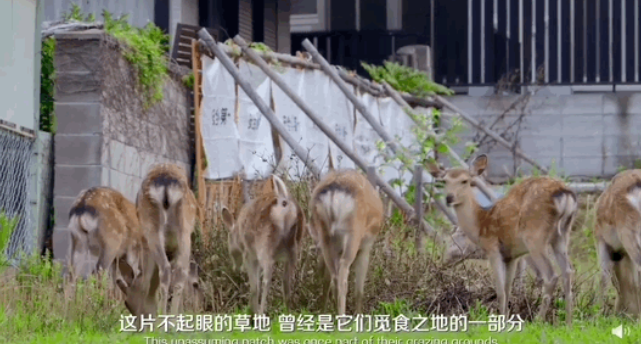
Deer in Nara no longer accept human feeding, and they go back to forest and patch, to their original home.
Penguins in Africa build up nests around human’s blocks.
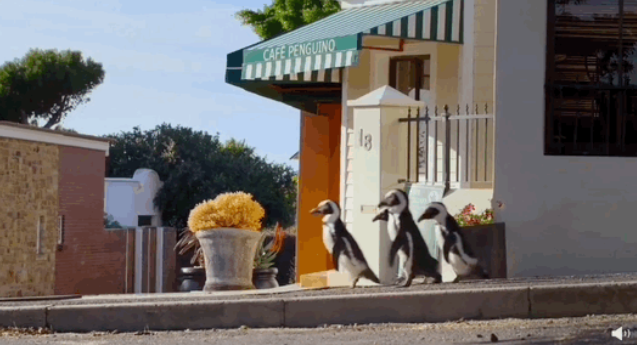
This year witnessed that the hunters killing rhino disappeared, the global carbon dioxide dropped, industrial vibration reduced, endangered animals thrived.
Human activities reduced even paused in the days when COVID-19 raging.
For all of us, COVID-19 is undoubtedly a tremendous disaster.
But it seems like a boon for this blue planet and other lives living in this land.
How we treat nature, how nature treats us
The American poet Walt Whitman said that the earth gives substance and goodness to all men, and in the end, what they receive back from man is the waste of these substances.
Human society has developed at a high speed in the past history.
We enjoy the abundant resources but forget the heavy burden we put on nature.
From 2013 to 2021, the sea level rises 4.4 mm per year on average, and droughts, floods, hurricanes are disrupting people’s life. Maybe we can’t return to the past in the following centuries or more.
United Nations Climate Change Commission points out that in 2030, the global temperature may exceed 1.5℃, and there will be more frequent extreme weather. In addition, if the global temperature raises by 2℃, the agriculture and people’s health in the world will reach the critical tolerance threshold.
During COVID-19 pandemic, we gradually realize the importance of living environment, and begin to cherish it.
Now, we have owed a lot to this blue planet, so it’s high time to find a new way to achieve harmony between human and nature.
The first step of change is to switch the perspective.
If you get close to nature and observe nature, you will find out that human is never the only protagonist of nature.
I saw a warm clip about nature last year.
A blogger from Nanjing set two infrared cameras beside a puddle in the grove near her home to observe and record the animal neighbor living near the puddle in a year.
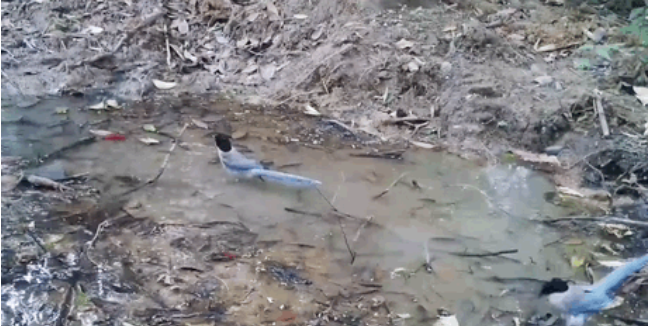
After continuous heavy rain in springtime, accumulated rainwater formed a small puddle. Lots of birds found this fairyland, and they called for friends, making a lively scene.
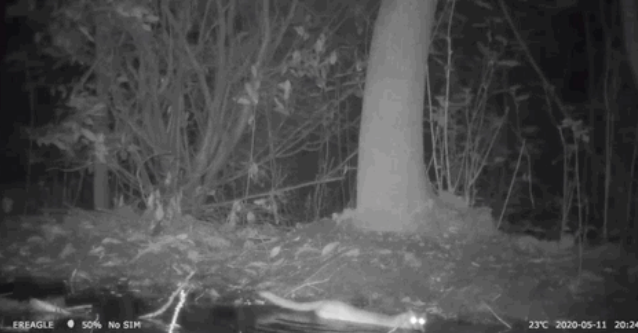
In summer, the small puddle became the natural bathtub of weasel. In the hot early summer of Nanjing, it enjoys its own happy moment.
In August, many animals spent the season of love here to find their beloved spouse.
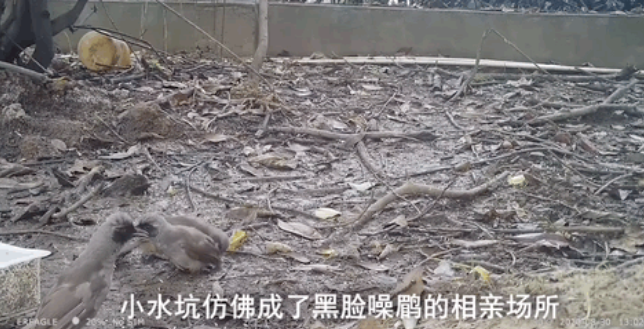
Actually, one does not need to dive deep in ocean or walk across forest to observe nature. Only by switching the perspective to a small puddle, we can realize that the earth not only belongs to human beings.
We must live in harmony with other species and respect nature, only in this way can we improve the ecological environment.
The second step of change is to care for and protect the environment around us with spare efforts.
The story of small puddle has a bad ending.
A year later, the city construction expanded, causing the area of this grove to reduce to one sixths of the original area, finally weasel left, birds flew away, and lots of animals disappeared.
Are they wandering? And how is their living condition?
Tencent has published a nonprofit clip called the Stray Cat, which was filmed from the perspective of a stray cat to show the living condition of stray animals.
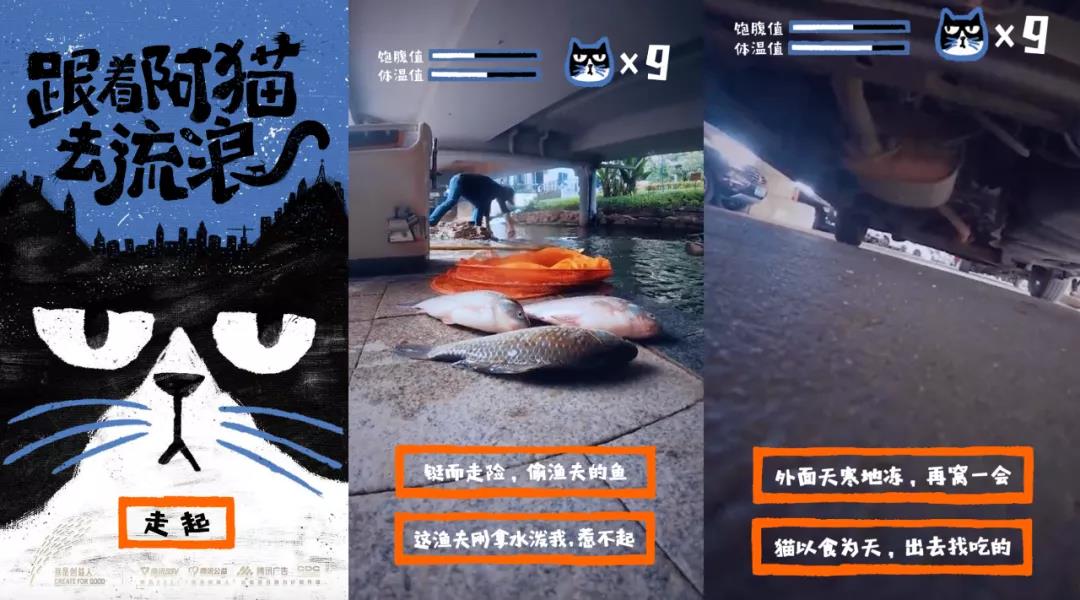
They may die of mistakenly eating rat poison, or they may be attacked by human beings, even may be hit by a car when walk across the road.
Stray animals are faced with all kinds of living pressure and dangers, and they may die at any time.<